By Alex Ashaba
Africa-Press – Uganda. Ntoroko District leaders have made an appeal to the government for increased funding to address the critical gaps in the health sector, which they say is crippling the delivery of healthcare services.
They have emphasised the urgent need for additional funds to recruit more staff, upgrade health facilities to health centre III and IV levels, and construct essential wards to alleviate patient congestion.
Ntoroko District, which was established in 2010 after being carved out of Bundibugyo District, currently has one constituency with two health facilities operating at the level of health centre IV in Karugutu and Rwebisengo and other lower facilities.
However, the district lacks a dedicated district hospital, and the existing facilities are struggling with severe understaffing.
Mr Ivan Busobozi, the principal assistant secretary for Ntoroko District, highlighted that the current general staffing level of technical staff is at 55 percent and the situation is expected to worsen under the new staffing structure for health workers.
He said in the proposed staff structure, health centre III is required to have 55 staff, while health centre IV needs 150 staff. Unfortunately, Ntoroko District has not been able to recruit staff, leading to a significant impact on service delivery due to the scarcity of personnel.
“Majority of our health facilities are understaffed. In the new staff structure, the situation is going to be worsened. For example, at Ntoroko Health Centre III, which is supposed to have 55 staff, we have only 15 staff, which is affecting service delivery. The number of patients is bigger than staff, we want the government to allow us to recruit more staff,” Mr Busobozi said on Friday.
Ms Judith Manyire, the in-charge of Ntoroko Health Center III, stated that the facility is overwhelmed by an average of 850 patients in the outpatient department a month, yet the facility has 15 staff of the 55 required.
She said inadequate infrastructure, including the absence of a dedicated in-patient ward, poses further challenges for patients, saying they always share with those seeking maternal and child health services.
Ms Manyire requested the government’s assistance in constructing additional health facilities, such as separate in-patient wards, to address privacy concerns for admitted patients.
“Our Outpatient Department (OPD) is housed in an old structure and the only functional space available is the Maternal and Child Health (MCH) area, which we also use for Inpatient Department (IPD) services. Unfortunately, this limited space poses challenges, particularly for admitted patients who lack adequate privacy,” Ms Manyire said.
She added: “As a result, some expectant mothers hesitate to deliver in our facility due to privacy concerns. For those who come after delivery, we have no choice but to mix them with other patients in the general ward. To address this pressing issue and ensure patient privacy, we kindly request the government’s support in constructing a dedicated structure for admitted patients.”
Additionally, Kanara Sub-county, which lacks a government health facility since the flooding of the Rwangara health center in 2019, desperately requires a new facility and an ambulance stationed to improve emergency response.
Dr Wilson Rude, the Ntoroko District Health Officer, stressed the need for ambulances in the district, particularly in isolated areas such as Kanara Town Council near Lake Albert and Semuliki Game Park.
Dr Rude said the absence of ambulances makes it difficult to respond to emergencies promptly and transport patients to appropriate medical facilities.
“Kanara Town Council is an isolated place and people to get emergency services here need to travel through a game park of Semuliki for more than 50 kilometres to Karugutu Health Center IV. As a district, we don’t have an ambulance stationed at Kanara. When we get patients from islands on Lake Albert with complications, we don’t have an ambulance to refer them to other facilities,” he said.
Ntoroko District chairman William Kasoro pointed out that the growing population necessitates upgrading facilities such as Ntoroko Health Center III to health centre IV status.
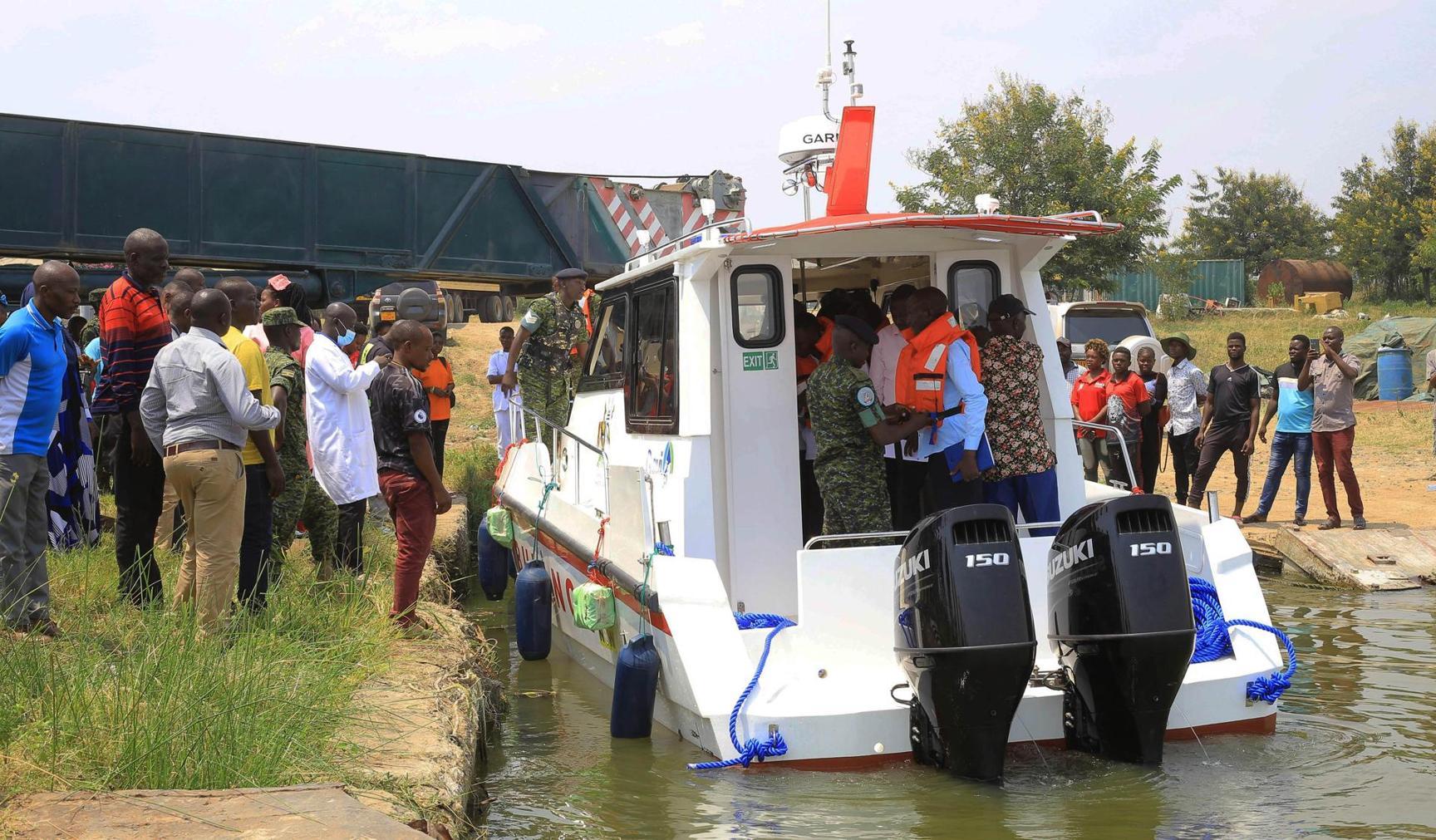
In response to previous pleas, the Ministry of Health on July 28 handed over a boat ambulance worth Shs680 million to assist residents of the three islands of Mulago, Katoligo and Kamuga on Lake Albert. The boat ambulance aims to enhance access to healthcare services for the islanders, who previously faced challenges in reaching health facilities using wooden boats.
The State Minister of Primary Healthcare, Ms Margaret Muhanga, who handed over the ambulance, acknowledged the health challenges faced by Ntoroko District, stating that the government policy requires each constituency to have one ambulance but the large size of Ntoroko’s constituency has presented logistical challenges.
According to the seventh national health workforce audit completed in public health facilities in 2015, there was a staff vacancy rate of 31 percent, which had been stable over the preceding three years, but this rose to 36 percent, after adjusting for the ever-increasing district splitting and establishment of new health facilities. Within the decentralised district-health services, staff vacancy rates were found to be 38 percent and 35 percent at district hospitals and health centre IVs, respectively.
Concern
Majority of our health facilities are understaffed. In the new staff structure, the situation is going to be worsened.
For example, at Ntoroko Health Centre III, which is supposed to have 55 staff, we have only 15 staff, which is affecting service delivery.
The number of patients is bigger than staff, we want the government to allow us to recruit more staff,” Mr Ivan Busobozi, the principal assistant secretary for Ntoroko District.
For More News And Analysis About Uganda Follow Africa-Press