Africa-Press – Uganda. The Deputy Chief Justice, Mr Richard Buteera, has cautioned magistrates against harassing people who go to courts of law to seek justice.
“If you are a magistrate, you don’t have to demonstrate that you’re important, people know you’re important. Someone said they fear court,” he said.
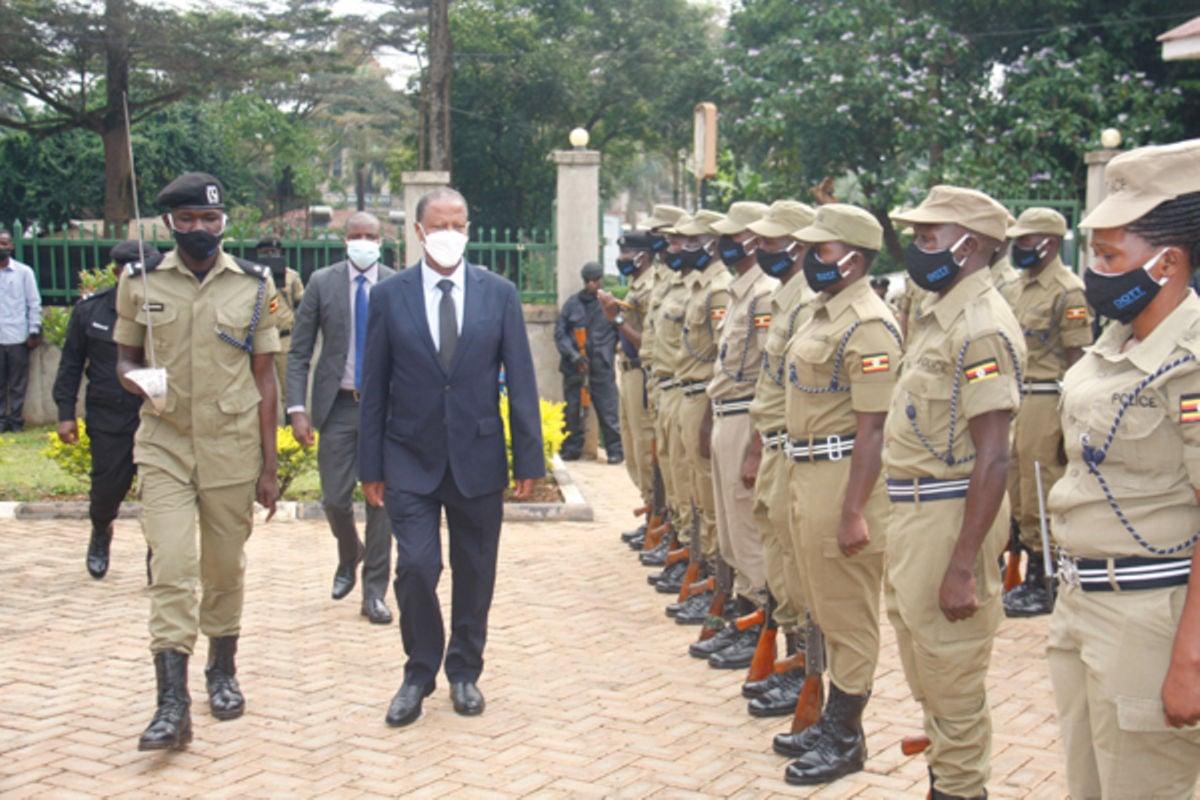
Mr Buteera made the remarks during an open-day court session held at the Entebbe Chief Magistrate’s Court grounds on Friday.
Justice Buteera said the session was an opportunity for the community to interact with judicial officers.
He said the Judiciary has embarked on a transformation agenda to serve the people.
“Good practices like zero tolerance to corruption, ensuring proper use of court resources, delivering judgment within 60 days after completion of hearing, and maintaining organised archives should be adhered to,” he said.
Mr Buteere also added that the judiciary shall continue to reach out to marginalised people.
“Priority should be given to cases in the order of filing, in addition to children, whether they are accused persons, witnesses or victims of crime, the same should be for cases involving disabled people, refugees, elderly litigants and witnesses, the sick, widows and vulnerable groups,” he said.
Some of the issues raised by the community included delays in hearing cases, lack of interpreters for special needs people, long time to review cases after the court ruling, and passing judgment in the absence of the defendants, among other concerns.
Ms Kalule Serwaani, a resident of Entebbe Municipality, said: “Some of our judicial officers in the old system believe that you have to show people that you’re powerful.”
“I was a grade 1 magistrate and a chief magistrate, I visited a prison in Mubende as chief magistrate, and we found somebody on remand, but what had he actually done? He walked in court and forgot to remove his cap, he was on remand, he reported to court after two weeks and he was remanded again, really, for putting on a cap!” he said.
The Chief Magistrate of Entebbe, Ms Stella Maris Amabilis, said: “This kind of engagement that occurs occasionally is a great opportunity to understand the needs of the public.’’
Challenges
She added that the court was faced with a problem of case management.
“Case backlog together with a prolonged period of determination of cases still remains a big challenge, so innovations like the small scales procedures, plea bargain, and mediation, among others, have tackled the challenge of delayed justice,” she said.
Ms Amabilis also noted that her court is faced with challenges such as limited space, shortage of state attorneys, low storage space for archives, lack of private space for breastfeeding mothers, poor Internet access, and inadequate ICT equipment and video conferencing facilities.
In November last year, the Chief Justice, Alfonse Owiny-Dollo, while inducting 16 new judges of the High Court, decried of how he needs more than 2000 magistrates and more than 150 judges in order to curb the case backlog in courts of law.
Case backlog
The latest Judiciary annual performance report released in August last year, showed that the overall case backlog of all courts stood at 50,592 cases.
The report also revealed that the biggest backlog was at the High Court with a total of 31,657 cases pending disposal.
For More News And Analysis About Uganda Follow Africa-Press