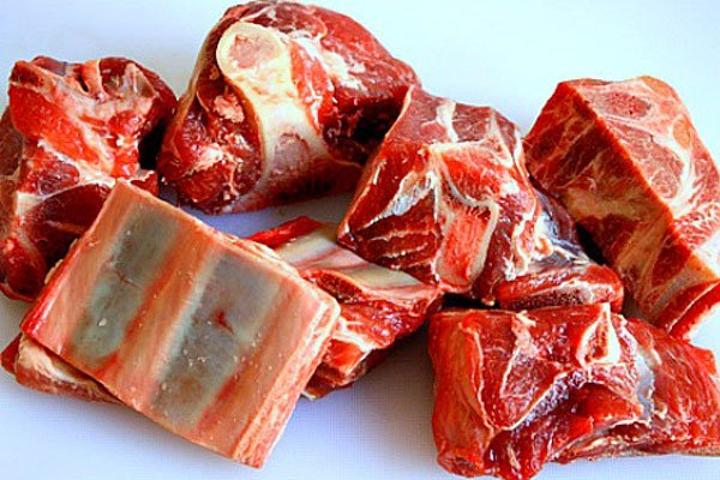
Africa-Press – Uganda. Meat and milk are important in the human diet and almost half of the families in urban areas can’t spend a day without a taste of these delicacies but unfortunately neither the suppliers nor consumers seem to be aware of the health risks associated with this consumption.
Health and veterinary experts are now warning that some of the products on market contain chemical residues that present a risk to human health.
They said these residues can result in cancer, organ failure, inflammation, and death, among others.“They are many causes of these chemical residues in meat and milk products, especially inappropriate use of veterinary drugs, and if the public consumes these chemicals, they risk getting diseases such as cancer,” Dr Alex Zirikumpa of Family Health Centre in Mbarara City, told Daily Monitor this week.
He added that unfortunately, there seems to be no deliberate measures to safeguard the public, especially along the production chain.
“Go to the butcheries and ask them if they know the records of the cows they are buying before slaughter. Even those that examine these cows put much emphasis on microbial load and not chemical pollutants,” Dr Zirikumpa added.
He said usually meat inspections are mainly done on live animals and postmortem (on carcasses).
Dr Zirikumpa advised that there should be laws that safeguard the public and market access to ensure those animals are not brought to market when they contain chemical residues.
He added that pesticides can be taken by livestock in their feeds or water and remain there at times of slaughter if no proper withdrawal times are adhered to.
“If withdrawal periods are not adhered to, pesticides taken in feed or water may still remain in animals at the time of slaughter,” Dr Zirikumpa said.
The Isingiro District veterinary officer, Dr Bruhan Kasozi, said they are aware of the dangers, but added that the problem is monitoring.
Lack of monitoring
“The challenge has been monitoring. For example, all veterinary drugs used on animals have labels indicating the withdrawal period upon which these animals should not be slaughtered or milked but this is normally neglected by farmers and that even traders never bother to ask the details of the animals they are buying,” he said.
Dr Kasozi called for increase in manpower and funding to ensure that monitoring of the animals from farmers up to the consumption level is intensified as well as enforcement on withdrawal periods of administration of veterinary drugs.
He added that ingestion of veterinary drug residues constitute a potential health hazard for its consumers, including antibiotic resistance.
Mr Amos Asingwire, a farmer in Sanga, Kiruhura District, said they are not to blame because they are not sensitised on keeping records on animal treatment.
“Most of the farmers are ignorant but how often do farmers interact with veterinary doctors to get sensitised. You only access a veterinary doctor when you have a challenge on your farm and call him. Like they do health education on humans, it should be the same with livestock,” Mr Asingwire said.
Advice to farmers
Dr Alex Zirikumpa of Family Health Centre in Mbarara City, advised, among others, following veterinary drugs label instructions since these have withdrawal periods when animals get into contact with these chemicals, sensitisation of farmers and traders on the dangers of these chemical residues but also help in identifying animals exposed to these residues such that they don’t end in market (food chain) and record keeping.