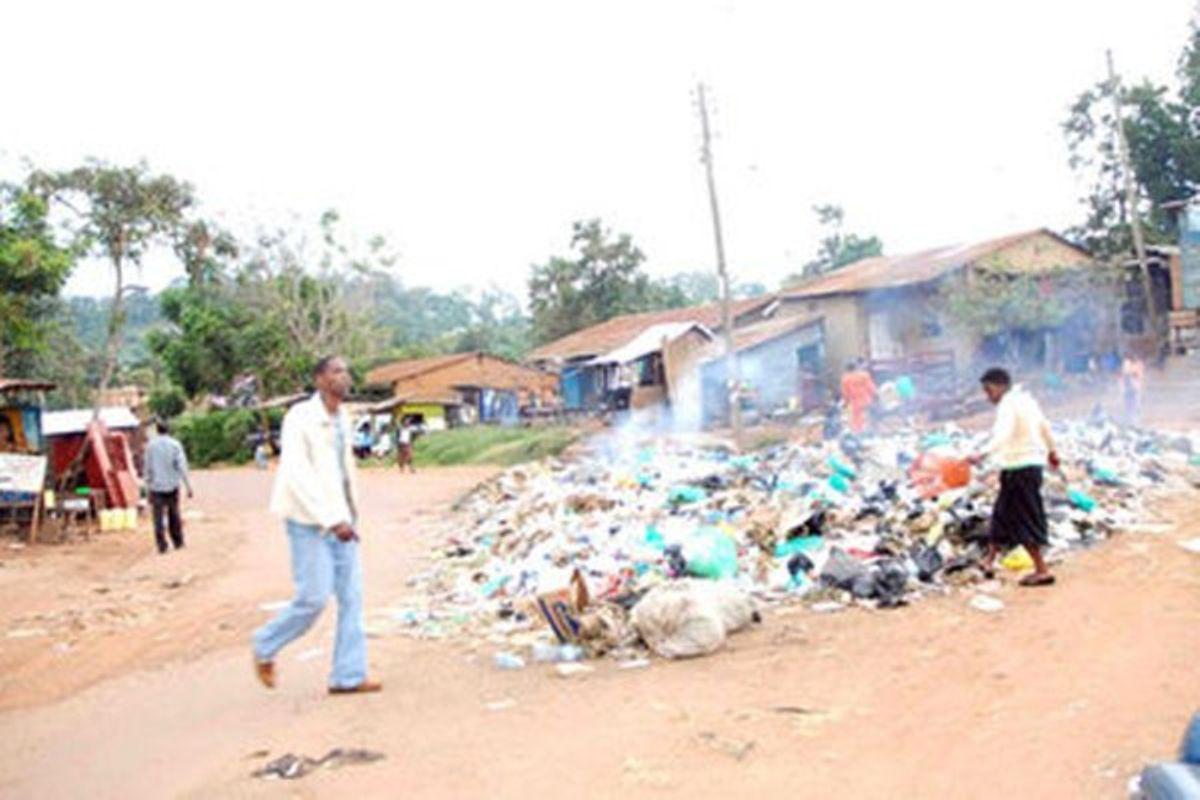
Africa-Press – Uganda. On December 3, we published a story about residents of Kalangala Town decrying poor garbage management in the area. (See Daily Monitor, December 3, “Kalangala Town residents choke on garbage’)
The residents said they pay monthly garbage fees of between Shs3,000 and Shs5,000 but nothing has been done to solve the issue. One of the residents interviewed pointed that for the last three months, the littered garbage had caused a lot of inconvenience to both customers and the business community.
In his defence, Mr Robert Ssebalamu, the chairperson of Bugala Village, Kalangala Town Council blamed the garbage problem on the lack of a sustainable garbage management plan ever since the town council was upgraded from a town board in 2006.
This problem is not unique to Kalangala Town. Many parts of the country, especially towns and cities, grapple with garbage management, which poses a serious health risk. Many even lack the basics such as garbage trucks (as is the case with Kalangala Town) and properly gazetted dumping sites. Poor garbage disposal and waste management comes with a host of risks to public health including pollution and disease outbreaks such as Cholera.
According to the World Health Organisation, behaviour change is an important aspect of all sanitation programmes and underpins adoption and use of safe sanitation. WHO emphasises that governments are the critical stakeholder in the coordination and integration of sanitation behaviour change activities and they should provide leadership and adequate funding. Government and local leadership in various parts of the country must have proper and sustainable waste management plans and a budget for it.
Kamuli Municipality, which was facing the problem for three years, has overcome it through clever and creative systems by some of the local leaders. (See Daily Monitor August 19, ‘How authorities are fighting garbage in Kamuli’)
Mr Aziz Luwano, the Kamuli Municipality mayor, led the initiative with a number of moves. He pooled resources and manpower to repair the grounded municipal truck and tractor and supervised the emptying of garbage bankers.
He rallied residents to ensure that garbage is regularly disposed of and on a daily basis and employed a ‘garbage lieutenant’ to sensitise the locals on the collection time, point and procedures, which readies them for the arrival of the tractor while they do self-loading.
Mr Luwano also introduced door-to-door collection of garbage using a tractor that picks the garbage from designated points; or when the residents have piled it up for collection by the tractor instead of heaping it into the garbage bankers.
These and other actions have changed the municipality’s garbage story. Perhaps Kalangala Town and other parts of the country that are struggling with poor waste management can pick a leaf.
For More News And Analysis About Uganda Follow Africa-Press