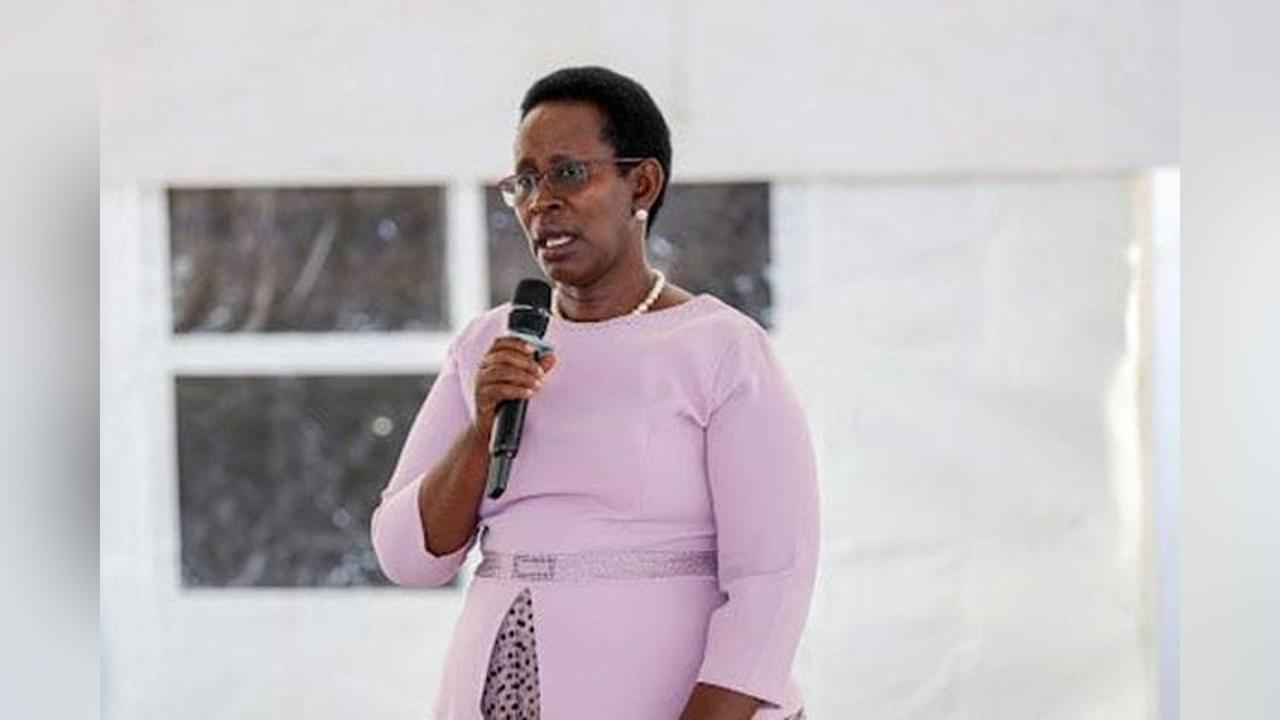
Africa-Press – Uganda. The Health ministry Permanent Secretary Diana Atwine has proposed drilling boreholes to provide water to especially upcountry health facilities as a solution to check the hefty bills by National Water and Sewerage Corporation (NWSC).
“Water challenges are real in our facilities. But to dig and have a borehole and have this water run in our facilities is the way to go,” Dr Atwine said while appearing before the Parliamentary Health Committee to discuss the unpaid hospitals water bill arrears on Wednesday.
The hefty bills have seen some hospitals’ water cut off after failure to pay.
She added: “In urban areas, we cannot have boreholes because it may get contaminated, so you will need a special way of treating that water but at least it can serve to clean and do other things because in a hospital if you go to a big hospital, a big chunk of the water is for cleaning, even in maternity, more water used. We are not talking about drinking water, but keeping the hospital clean.”
Her proposal came on a backdrop of revelation by the NWSC’s deputy managing director- (Technical Services), Mr Johnson Amayo, that as at end of January 2024, Ministries, Departments and Agencies had accrued unpaid water bills amounting to Shs14.99 billion with some of the bills having remained unpaid for over two years.
Of this, NWSC told MPs, that Mulago National Referral Hospital had the largest bill of Shs Shs3.730 billion, Jinja Regional referral hospital, Shs3.656 billion, Mulago Specialized Women hospital, Shs2.101 billion, and Naguru Hospital Shs1.480 billion.
Mr Amayo, said there is no problem giving or constructing boreholes but warned of health risks that may come with it.
“We can give you boreholes, if you want to turn yourselves into an unhealthy institution, but should cholera come, let no nobody blame us. Should cholera come, you come to parliament and explain why cholera is unmanageable,” he noted.
He added: “Our biggest concern is that a hospital is a health providing facility, boreholes are good in rural areas, if you want to dig boreholes in Kampala which is 15% sewerage and most of the homes have septic tanks, the potential to poison a hospital & turn the hospital into a poison entity by providing water which has no good quality is higher than pursuing a budget which meets the demand.”
The average water bill for hospitals, Mr Amayo said is 10 months with most regional referral hospitals.
For More News And Analysis About Uganda Follow Africa-Press