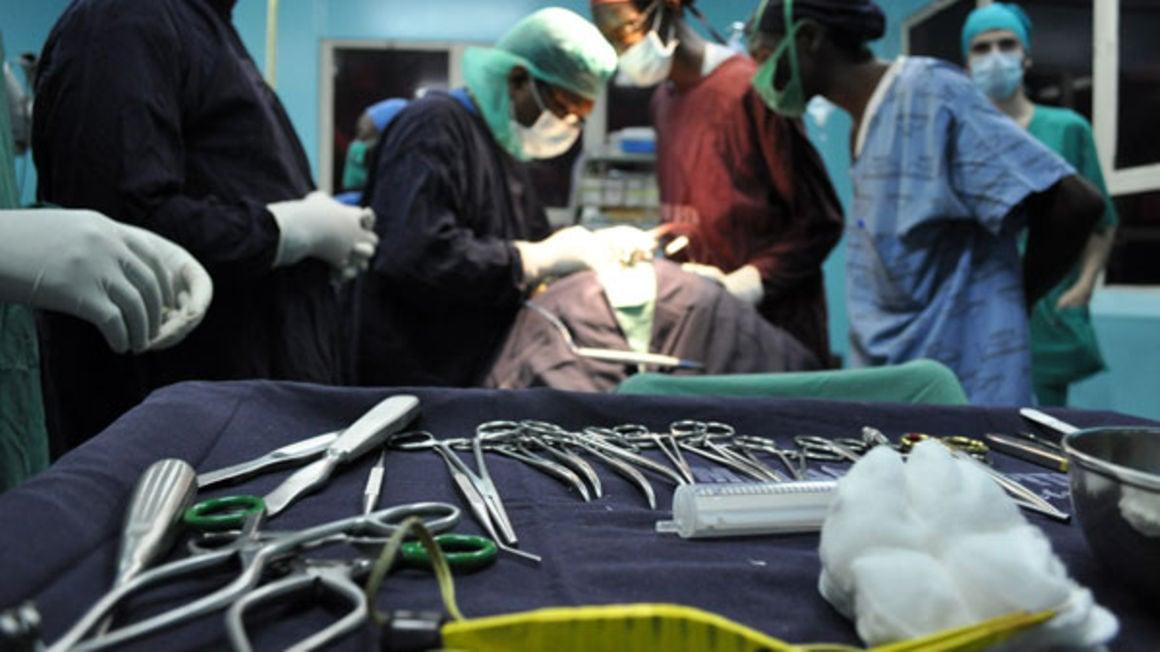
Africa-Press – Uganda. Childbirth can occur either vaginally when a baby is born through the birth canal or through cesarean section (C-section), which is a surgical procedure where a baby is delivered after an incision on the abdomen.
Although there are benefits and risks to both, the World Health Organisation (WHO) has always held that c-sections be performed only when medically necessary to save both mother and baby’s lives.
However, in Uganda today a number of women are opting to deliver their children by C-section even with no compelling medical reason for the decision.
According to government statistics, 98,000 of 1.4 million babies born in the country are delivered through caesarean section. This represents about seven percent compared with the 1995 statistics where these births accounted for only 2.5 percent of the country’s total births.
Microbiomes
A recent study by specialists from University of Edinburgh has revealed that every mode of birth yields different microbial outcomes. Microbiomes are simply all microscopical organisms that call the body home.
Human cells make up 43 percent of the body’s total cells count and, therefore, more than a half of the cells in our bodies are not human—some are bacteria, fungi and viruses among others.
The study shows that when a baby is born through the birth canal, their bodies are completely covered with their mothers vaginal microbiomes which they live with. Babies also delivered by cutting through the wall of the mother’s abdomen are also exposed to microbiomes—albeit those found on various people’s hands and hospital surfaces.
The first encounter with microbiomes is vitally important since they colonise the infants first before anything else on earth.
Crucially, researchers from University of Edinburgh have been able to show how mode of delivery “impacts the response to vaccination.” Their body of work comes to the conclusion that “birth by vaginal delivery is associated with higher antibody responses against [pneumococcal vaccination and meningococcal vaccination]”—both of which constitute routine childhood vaccines.
The study finds that first year life vaccines respond differently in both modes of birth, with the level of protection of a C-section baby nowhere near that of a vaginal birth. The study whose findings have been published in the Nature Communications journal underline the fact that babies born vaginally have heightened responses to childhood vaccinations.
Findings
In a vaccination sample at eight and 12 weeks, babies were given pneumococcal and meningococcal vaccines, saliva was collected at ages 12 and 18 months for antibody measurement. Among the 101 babies tested for pneumococcal antibodies, the researchers found antibody levels were twice as high among babies delivered naturally through the birth canal compared to those delivered by C-section.
On the other hand, among the 66 babies tested for anti-meningococcal, antibodies were 1.7 times higher for vaginally born babies than those delivered via C-section.
The study raises important and critical questions like: Is it right to succeed a caesarean baby’s head with a swap from the vagina to achieve natural microbiomes? It notes that this is not standard practice presumably because there are risks to it like endangering the baby in the process and spreading more infections. In addition, swap is not the same quantity and therefore does not fully compensate the natural vaginal Microbiome.
With this in play, the big question that remains is: What then do C-section parents do with their babies? The study raises the possibility that it may be possible to treat caesarean-delivered infants, with a bacterial supplement or even a specifically tailored product that replicates the beneficial bacteria to help improve their immune systems. This enhances the infants’ responses to certain vaccines and reduces their susceptibility to infections.
Prof Kim Barrett, the vice dean for research at the University of California Davis School of Medicine, said while further research was needed to uncover if and how manipulation of the human microbiome following C-section births might improve vaccine efficacy, “the work should at least lead to prompt additional consideration about an unintended consequence of the ever-increasing use of C-sections that may not be medically-necessary.”
Other factors such as exposure to antibiotics and subsequent diet, breast milk, among others, also play a role in how microbiomes fur her develop for C-section babies.
Statistics
According to government statistics, 98,000 of 1.4 million babies born in the country are delivered through caesarean section. This represents about seven percent compared with the 1995 statistics where these births accounted for only 2.5 percent of the country’s total births.
For More News And Analysis About Uganda Follow Africa-Press