Faridah N Kulumba
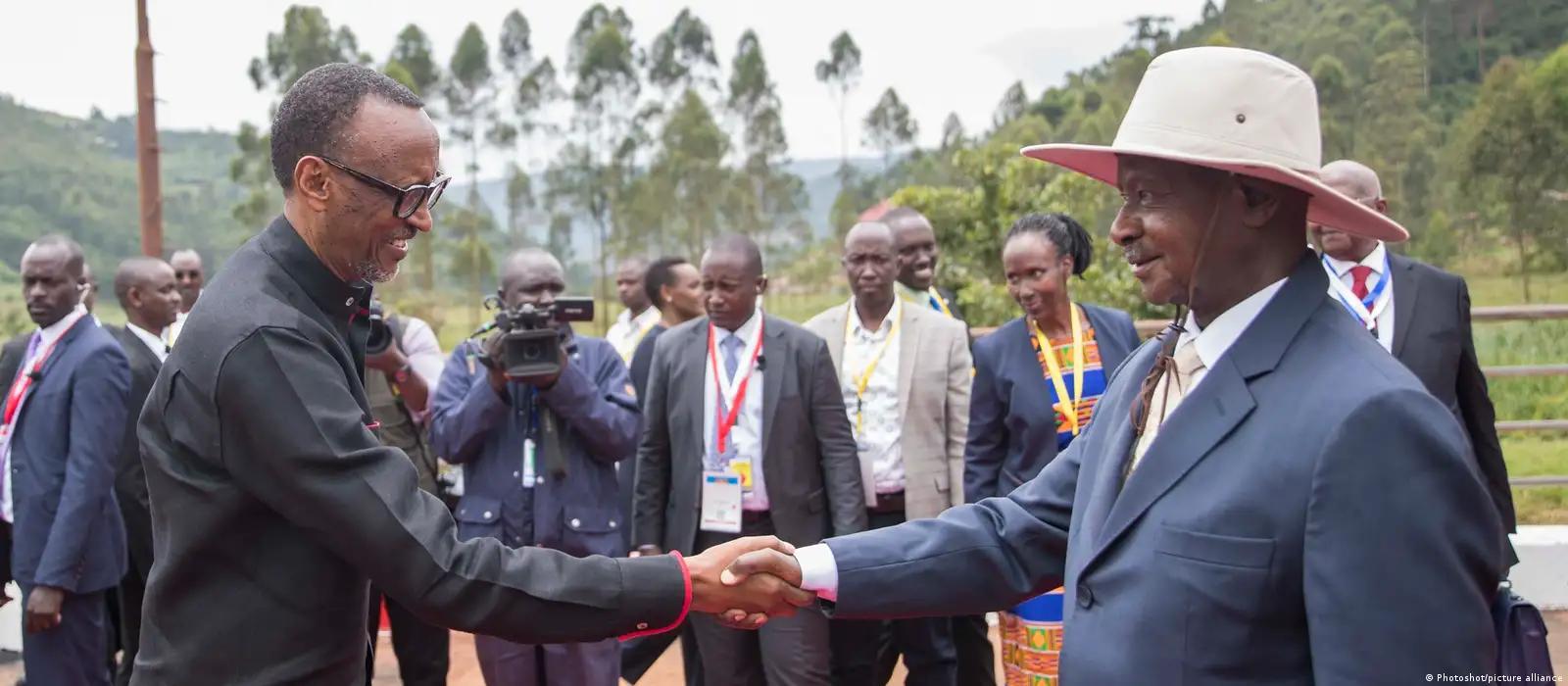
Africa-Press – Uganda. On 19 this month, Ugandan and Rwandan security officials convened the first high-profile cross-border meeting marking a significant development since the Katuna border’s reopening on January 31, 2022. The meeting was endorsed by the president of Uganda Yoweri Kaguta Museveni and President Kagame to address mutual border security challenges impacting both countries. On February 27, 2019, the President of Rwanda Paul Kagame ordered the closure of the border between Uganda and Rwanda. President Kagame was accusing the government of Uganda of espionage against his country, abducting Rwandan citizens and detaining them in unauthorized areas, and harbouring dissidents who were actively opposing the Kigali administration.
Payback and conflicts
The government of Rwanda retaliated by issuing a travel advisory, cautioning its nationals against visiting Uganda saying their safety was not guaranteed. Within the period the Katuna border was closed, Rwandan security forces reportedly shot and killed six individuals—both Ugandans and Rwandan nationals—over smuggling activities. Even after the border’s reopening, traders on the Ugandan side continued to criticize Rwandan authorities for obstructing the passage of certain goods, notably maize flour, into their country.
The border meeting
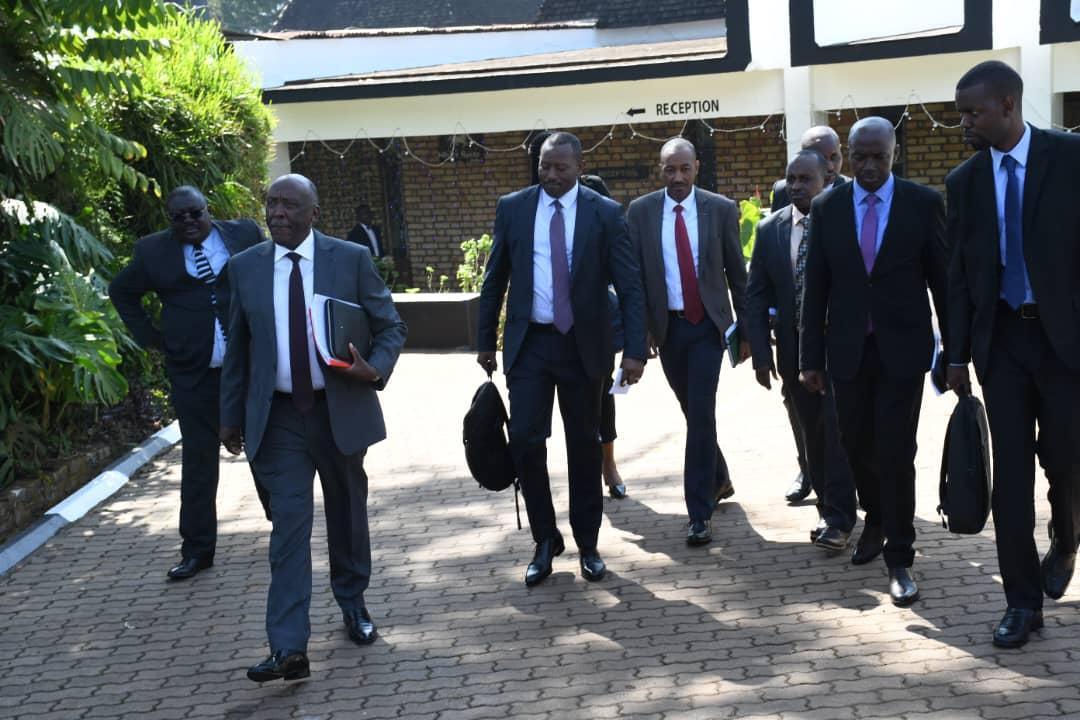
The Rwandan government was represented by security officials, led by Yves Muneza, Technical Advisor to the Permanent Secretary of the Ministry of Internal Affairs and International Cooperation. They were joined by Ugandan officials from border districts including Kabale, Kisoro, Rubanda, Rukiga, and Ntungamo at the White Horse Inn in Kabale district. According to Major General Retired Robert Rusoke, the Ambassador of Uganda to Rwanda the meeting was aimed at addressing border security bottlenecks that affect both countries. The two nations’ top security officials aimed to pave ways to combat crime at the border, stop smuggling, enhance trade, and also to discuss matters concerning health.
Similar meeting
In the past few years, both Rwanda and Uganda security personnel held a meeting in Uganda following growing terror threats, increased theft, and other crimes that were rising in the areas along the borders. The two parties agreed to form a joint force saying that there was growing laxity in security across the with unregulated movement of people and livestock. Both countries’ security officials agreed that all was happening due to poor communication between the local leaders of the two countries. It was during this meeting that the team agreed to meet regularly and have more joint security meetings with locals at the border stations to check illegal activities.
The two nations’ cross-border cooperation
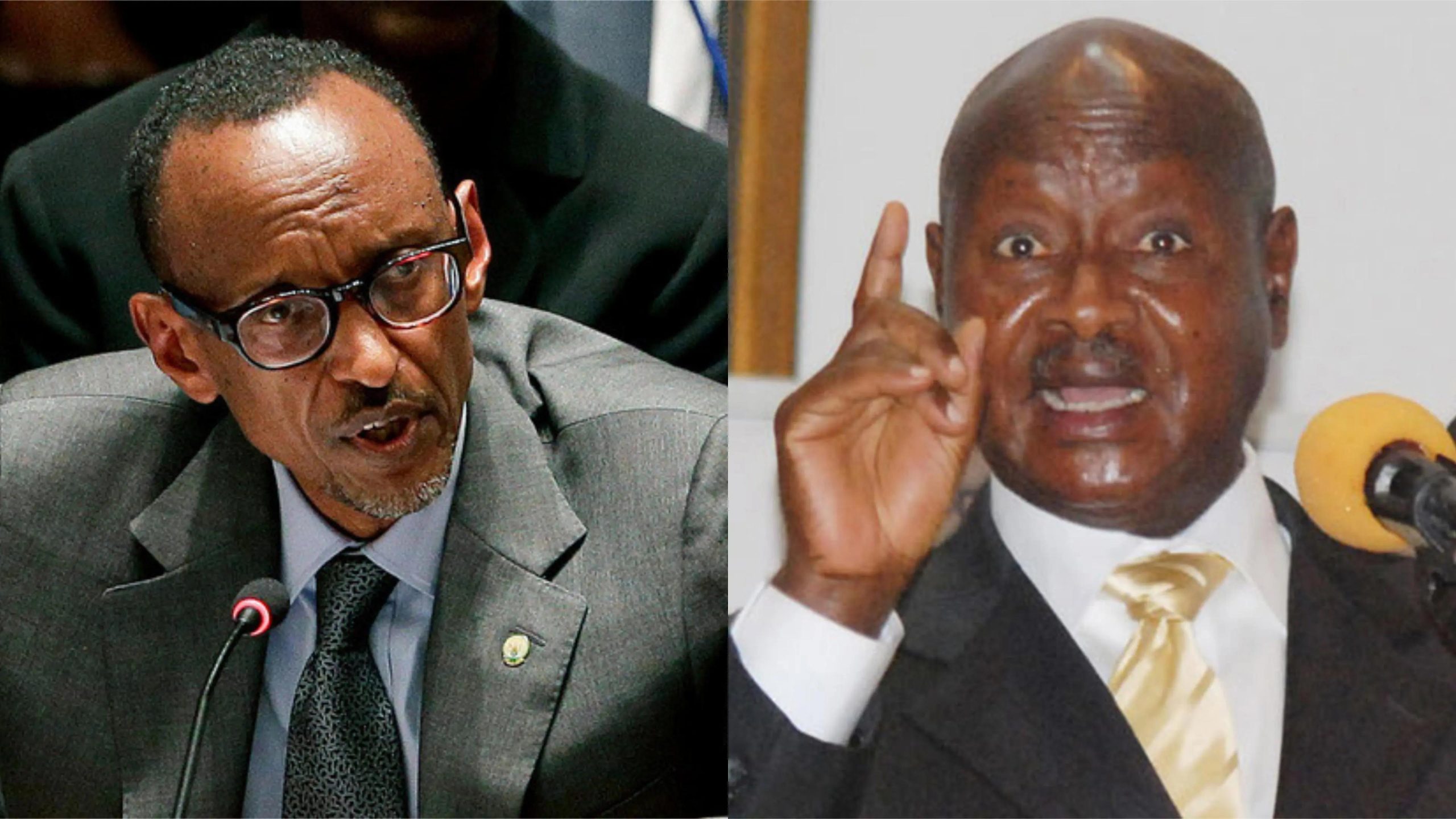
The Republic of Uganda and Rwanda‘s Police institutions enjoy cross-border cooperation entailed in a memorandum of understanding signed between the two forces under which they committed to jointly develop their capabilities through training, and sharing of experiences and best practices, operations within respective common borders, combating human trafficking and the influx of illegal cross-border and capacity building in other varied policing domains. In 2016, the then Ugandan Inspector General of Police Force, Gen. Kale Kayihura while attending a bilateral meeting between Rwanda and Uganda police forces that was held at the Rwanda National Police (RNP) General Headquarters in Kacyiru, Kigali, said that there is a lot of work to do to jointly confront the threats the two nations face. Gen. Kale Kayihura added that both neighbouring countries need to continue learning and helping each other. When there’s insecurity in Uganda, Rwanda will in some way be affected as well and this necessitates them to respond holistically as a team. Rwanda said that the existing cooperation has helped to lay strategies to find a common way of responding to cross-border and transnational organized crimes.
Security challenges between the two nations
Uganda and Rwanda have long harboured mutual suspicions and hostilities, partly stemming from historical ties between both countries’ politics and security. Tensions rise between the central African neighbours, fuelled by accusations of espionage and support for each other’s dissidents. Frosty relations between the two countries became more pronounced in February 2019, when Rwanda closed its borders accusing Uganda of harbouring Nyamwasa’s fighters and arbitrarily detaining and torturing Rwandan nationals—charges Uganda denied. Rwanda had repeatedly accused Uganda of supporting rebel groups planning to topple the government in Kigali while Kampala accused Rwanda of carrying out illegal espionage activities in Uganda. Uganda also accused Rwanda of infiltrating its key security agencies, with authorities saying some Rwandan security officials had direct and indirect contact with key strategic security personnel in Uganda who sent information outside of official channels. In 2017, retired Rwandan army officer Rene Rutagungira was arrested in the Ugandan capital Kampala, and charged for allegedly using a pistol and grenades to abduct Joel Mutabazi, a former bodyguard of Rwanda’s President Paul Kagame. Rutagungira then allegedly delivered Mutabazi to Rwanda, where he was charged with terrorism and sentenced to life in prison. Kampala had granted Mutabazi refugee status. Rwanda insisted that the accused had been on regular travel to the country, while Uganda’s Ministry of Foreign Affairs alleged that Kigali had sent a list of its nationals in detention it wanted back, adding that many had already been repatriated. Rwanda also accused Uganda of being linked to hostile groups, including the Democratic Forces for the Liberation of Rwanda (FDLR) — an armed rebel group operating in the Eastern Democratic Republic of Congo and the Rwanda National Congress (RNC), which is a Rwandan Opposition group.
Uganda border Challenges
The East African landlocked country has been facing challenges of security along some borders surrounding the country due to conflicts. The country’s strategic security environment is characterized by her lack of access to the sea coast, the shallow strategic depth, shared natural resources, as well as regional and international obligations. Over, Uganda’s security threats have diversified to include non-military ones for instance environmental degradation, and epidemics, which are sometimes characterized by instability and social upheaval.
For More News And Analysis About Uganda Follow Africa-Press