Africa-Press – Uganda. There is no great secret to, or difficulty in, figuring out what has made consumer food price inflation to pick up in Uganda. Food prices are increasing due to a range of factors related to geopolitics, weather and the pandemic.
Again, the impact of these factors is rather crystal-clear and granite-solid. The delayed onset of the rainy season—despite or in fact because of Uganda National Meteorological Authority forecasted otherwise—has disrupted the planting calendar. Russia’s incursion into Ukraine has made access to grains and fertilisers from the Black Sea region—widely referred to as the breadbasket of the world—that much more difficult. Ocean freight rates have consequently increased. And of course, before all of this, the pandemic had triggered its own increments thanks to supply side bottlenecks.
So taken together, this perfect storm has fed into domestic consumer prices (the Uganda Bureau of Statistics or Ubos reported a spike in food crops and related items inflation from 0.7 percent in February to 1.9 percent in March). With retailers unable to absorb the blow of rising costs (Ubos say annual ‘other goods’ inflation stands at 5.4 percent as of March of 2022), they have needed little invitation to pass on the increases to consumers.
Unfortunately, the powers that be have not quite found the honesty and candour required to admit that this food price inflation transmission could easily have been nipped in the bud. Such imported inflation would have never seen the light of day had the government of Uganda made good on its import substitution drive. Instead, the “Buy Uganda, Build Uganda” (Bubu) policy floated in 2014 to promote local sourcing and consumption of products remains ineffectual.
We reckon this is such a shame. Uganda has the potential to be a breadbasket, but her policies are unfinished, and in parts contradictory. The country, for one, faces incalculable long-term economic damage because her budget allocation to agriculture leaves a lot to be desired. The 2014 Malabo Declaration of the African Heads of States and Government that recommended 10 percent be ring-fenced for the agriculture sector has severally been disregarded. Attempts in the past two financial years (FY) have fallen woefully short (2019/2020 at 3.2 percent and 2020/2021 at 5.89 percent).
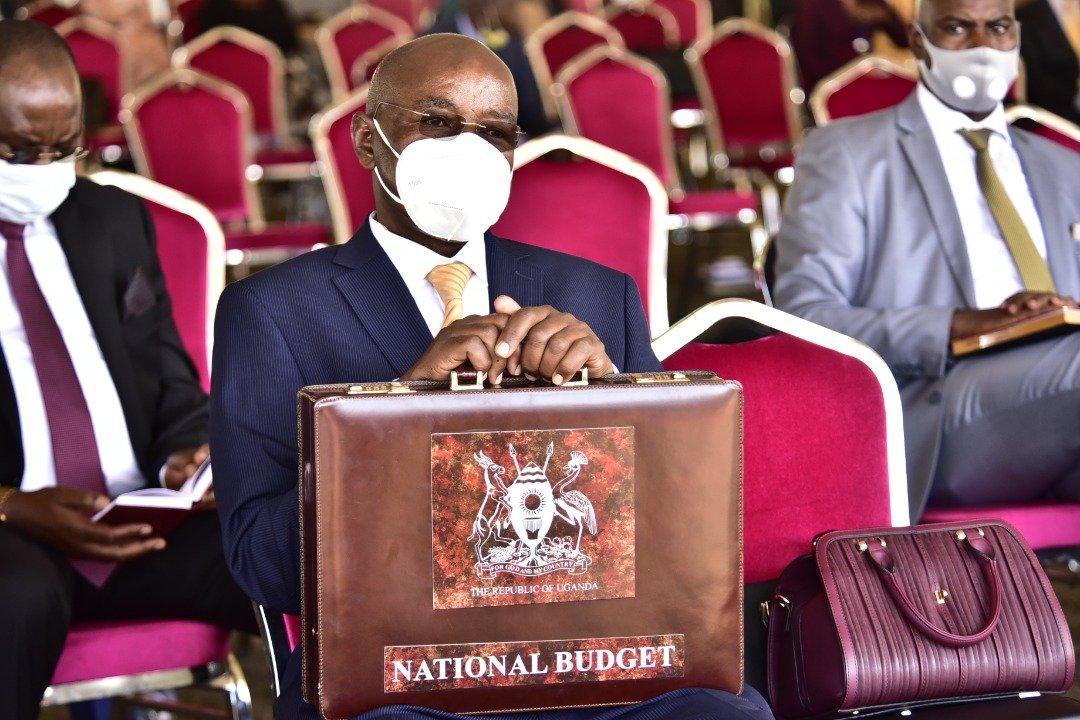
The agriculture sector is primed to operate off Shs1.5trillion in FY 2022/2023, up from Shs1.3trillion last time around. The increment—which in many respects is a drop in the ocean—will not be sizeable enough to insulate the country from importing agricultural products that can be produced at an industrial scale on home soil. Why can’t the grains and fertilisers imported out of the Black Sea region be locally produced? How about the palm oil whose dearth has pushed the price of soap to obscene levels?
The inflation and drought that is buffeting Uganda should serve as an inflection point. We hope the bluntness of our message captures the gravity of a reconsideration of priorities.
Our commitment to you
We pledge:
Further, we ask that we be informed whenever you feel that we have fallen short in our attempt to keep these commitments.
For More News And Analysis About Uganda Follow Africa-Press