Africa-Press – Uganda. Despite being considered as the weaker sex, women have been bestowed with the pivotal role of reproduction. As Rickie Lake once said: “Motherhood is the greatest thing and the hardest thing,” it comes with a great share of responsibilities.
The concept of safe motherhood was initiated to ensure that women receive high quality care in order to achieve the optimum level of health of the mother and the infant. It is designed in a way that assures women of high-quality pre conceptual, family planning, prenatal, delivery and postpartum care.
Safe motherhood aims at improving maternal and child health and eliminating the probable risks that can occur and is required in obtaining the desired outcome of pregnancy. This will reduce maternal and neonatal morbidity and mortality and improve the wellbeing of mothers and newborns through health promotion.
The Covid-19 pandemic has devastated health systems all over the world, leaving them overwhelmed. From the previous crises, we have learnt that women and children are often badly affected during disasters.
The Covid-19 pandemic raises concerns over escalation of restrictions to the birthing rights of women in Uganda.
Women in many areas across the country, specifically in the remote areas, continue to suffer from several barriers resulting in delays limiting access to timely and quality lifesaving maternal healthcare.
These delays include delay in reaching health facilities (lack of transport and road infrastructure), delay in receiving the appropriate and adequate care (lack of skilled birth attendants at delivery), and delay in decision making to seek care.
Critical analysis of these delays clearly indicates that the causes of maternal death are largely preventable with appropriate interventions such as well-equipped facilities, access to trained midwives at facilities, strong referral systems, among others.
The state of maternal health is a pressing global concern specifically in our low and middle income countries due to the limited funding for the sector, insufficient infrastructure (roads, electricity), lack of enough skilled health workers, inadequate supplies in facilities, lack of education and sexuality education, cultural practices and beliefs.
Amid such disparities, threats to maternal and child health have even increased during the pandemic. Safe motherhood in our health care system can be realised through providing human rights guarantees, such as the right to access to full information for mothers to make informed decisions free from any violence or intimidation.
The prevention of maternal death and illness is not only a basic human right, but also a social justice issue. Every woman is entitled to the right to life, safe maternal health care, non-discrimination, and equality.
As we celebrate this year’s National Safe Motherhood Day, we must reflect on everyone’s responsibility in creating a health care system that is safe for our mothers and babies.
Communities have a great responsibility in supporting women and teenage mothers to have timely access to health facilities and protection from gender-based violence. We now know that blood loss is one of the leading causes of maternal deaths thus blood donations takes a central role here.
Communities are encouraged to donate blood to save lives of such women that need it.
Health workers ought to exercise to the best of their potential to ensure every pregnant woman and their babies get the best quality of care possible.
Together, we can create safe motherhood spaces in our communities by leaving no one behind, if we act now.
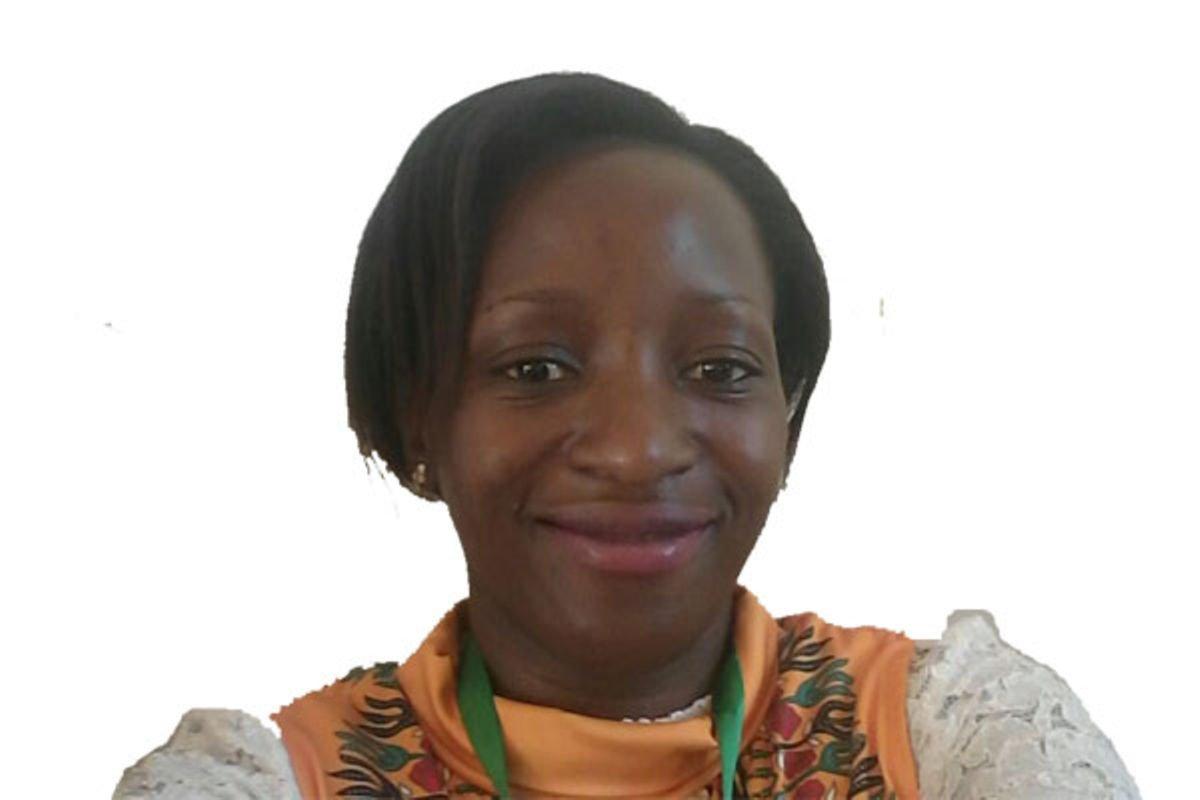
Ms Hadijah Nakatudde is a midwife/midwifery tutor and secretary of the National Midwives Association of Uganda (Eastern region)
For More News And Analysis About Uganda Follow Africa-Press