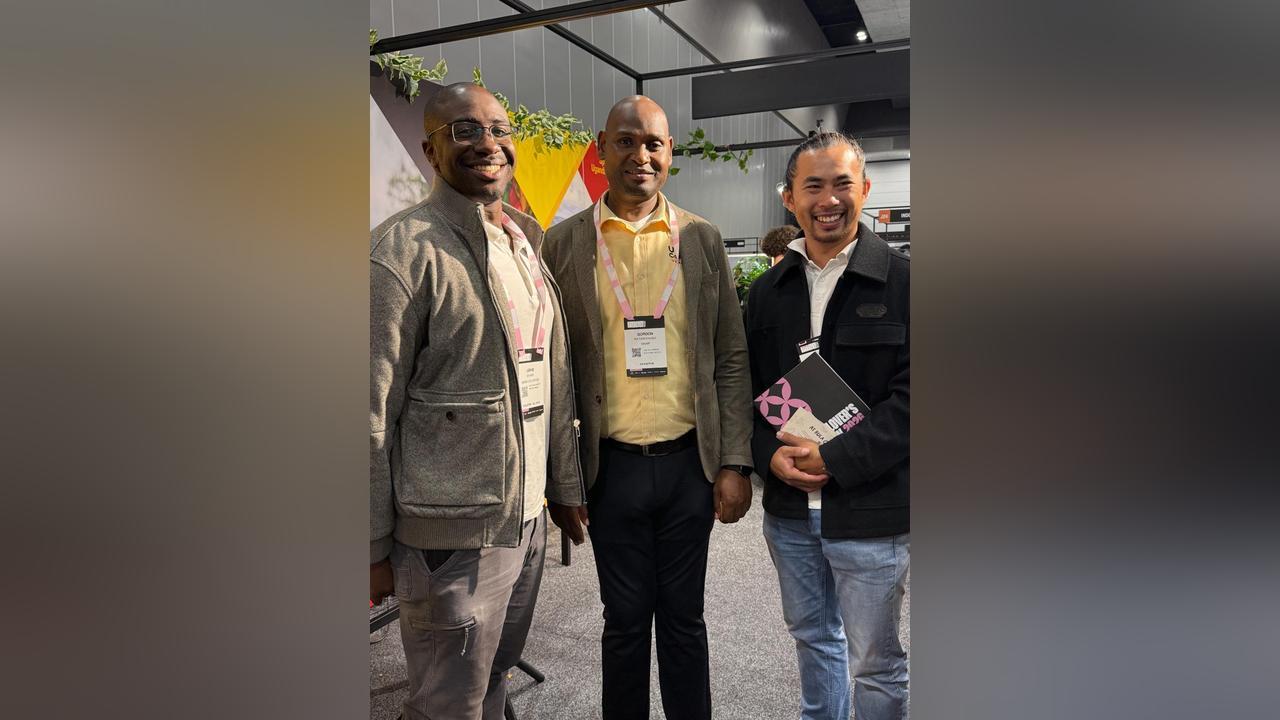
Africa-Press – Uganda. Uganda’s presence at the Melbourne International Coffee Expo is being shaped by more than taste or market opportunity. It is sending a deeper signal about credibility, one that could ultimately determine the country’s place in the global coffee trade.
At a time when Uganda is attracting growing international attention, the most important message emerging is not from the cup, but from conduct. Quality may open doors, but integrity is what keeps them open.
Australia remains one of the most structured and reputation-driven coffee markets in the world. Trust is built gradually and lost quickly. Uganda’s coffee is steadily gaining recognition for improved quality, consistency, and a more defined identity. Strong cupping feedback at the expo has reinforced this progress, with buyers noting advances in flavour, traceability, and processing standards.
But in markets like this, quality is only the starting point. Sustained access depends on reliability.
That reality is now being emphasised not only to international buyers but also to stakeholders back home. Dorothy Hyuha Samali has underscored that as Uganda pushes into high-value markets, truthfulness and consistency are not optional. They are foundational.
Her message reflects a critical shift. As demand grows and partnerships take shape, it is no longer just the product that matters. The behaviour of exporters, suppliers, and every actor in the value chain will define Uganda’s reputation.
This is how global coffee markets function. First impressions do not remain isolated. They travel quickly across networks of buyers, roasters, and importers. A single well-executed shipment can build trust and momentum. A compromised one can undo it just as fast. In a tightly connected industry, reputation often moves faster than the product itself.
That shift became clearer during the second day of the expo, where conversations moved beyond taste to more fundamental concerns: delivery timelines, consistency across shipments, and the reliability of supply chains. These are the signals of a market moving from curiosity to commitment—and from opportunity to accountability.
A presentation by Gordon Katwirenabo grounded these discussions in practical terms. It pointed to improvements in quality assurance and post-harvest handling, while also acknowledging gaps that must be addressed to meet the expectations of premium buyers. The takeaway was clear: systems build confidence, but integrity sustains it.
Uganda’s role in the global coffee landscape is changing. The country is no longer viewed solely as a volume producer. It is increasingly recognised as an origin with potential in premium and specialty segments. That shift brings opportunity, but it also raises the bar.
Markets like Australia reward professionalism, transparency, and consistency. They are equally quick to disengage when those standards are not met.
The stakes are therefore higher than ever. Uganda is entering markets where buyers are willing to pay more for quality, but only when it is backed by reliability. Meeting that standard requires alignment across the entire value chain—from farm-level practices to processing, export discipline, and institutional oversight.
Uganda’s engagement in Melbourne reflects a broader transition: from being invited into global coffee conversations to being trusted within them. But that trust remains fragile. It will depend not only on what Uganda presents in the cup, but on what it consistently delivers beyond it.
The message from Melbourne is clear. Uganda has the product. It is improving its systems. It is attracting attention.
What will define its future is whether it can match that promise with consistent, credible delivery.
In global coffee markets, doors are not closed by competition alone. They are closed by broken trust—and once closed, they are far harder to reopen.
Source: Nilepost News