Africa-Press – Uganda. According to Africa Union data, Uganda’s public agriculture expenditures are slowing the country’s ability to solve the hunger problem as a continent in the race to combat hunger by 2025.
With a 3.48 score out of a possible 10, this has prompted the domestic private sector to be solely dependent on food investment production. This is with a 6.14 score, despite declining foreign private sector investment in the sector.
The Africa Union (AU) observes that the country’s access to finance is insufficient, and with very limited access to agricultural inputs and technologies, agriculture productivity has plummeted to 3.78 points.
This comes at a time when global food systems are being hampered by crises such as the COVID pandemic, the Russia-Ukraine war, and weather changes caused by climate change.
African countries established a policy framework for agricultural development and transformation in 2003, which was reinforced in 2014 by the Malabo Declaration on accelerating agricultural growth and transformation for shared prosperity and improved livelihoods.
This declaration seeks to embody Africa’s vision for accelerating agricultural growth and transformation of the continent over the next ten years, from 2015 to 2025, to eradicate hunger on the continent during that time.
However, Uganda continues to suffer from a lack of access to intra-African trade for goods and services related to agriculture.
But according to Uganda’s Ministry of Agriculture, the country’s trade in agricultural products from and within member states has been “hindered by fragmented sanitary and phytosanitary systems.”
“But with the adoption of the EAC SPS Legal Framework (ESLF), Uganda is set to expand agricultural products trade domestically, regionally, and internationally through streamlined regulations, standard operating procedures, and measures,” the statement adds.
Seven resolutions to increase the nation’s agricultural exports were, however, made last month by the Permanent Secretary, Maj. Gen. David Kasura-Kyomukama, the Presidential Advisory Committee on Exports and Industrial Development (PACEID), and the Agriculture Minister of Uganda, Hon. Frank Tumwebaze.
These included: “Formulation of the National Food Safety Bill, reviewing the national seed policy to enable the National Agricultural Research Organization (NARO) to take charge of the quality seed value chain, commitment to national soil mapping, and finalization of all agriculture-related laws in the pipeline including the animal feed bill and the animal health bill.”
Others include the formation of a National SST Committee, whose secretariat will be housed at PACEID. In addition, the expansion of regional labs, research facility improvements, and the allocation of funds to launch the Export Credit Fund.
These resolutions will likely be developed in conjunction with the Presidential Advisory Committee on Exports and Industrial Development. This committee brings together producers, exporters, government agencies, and other parties interested in promoting export growth and industrial development in Uganda.
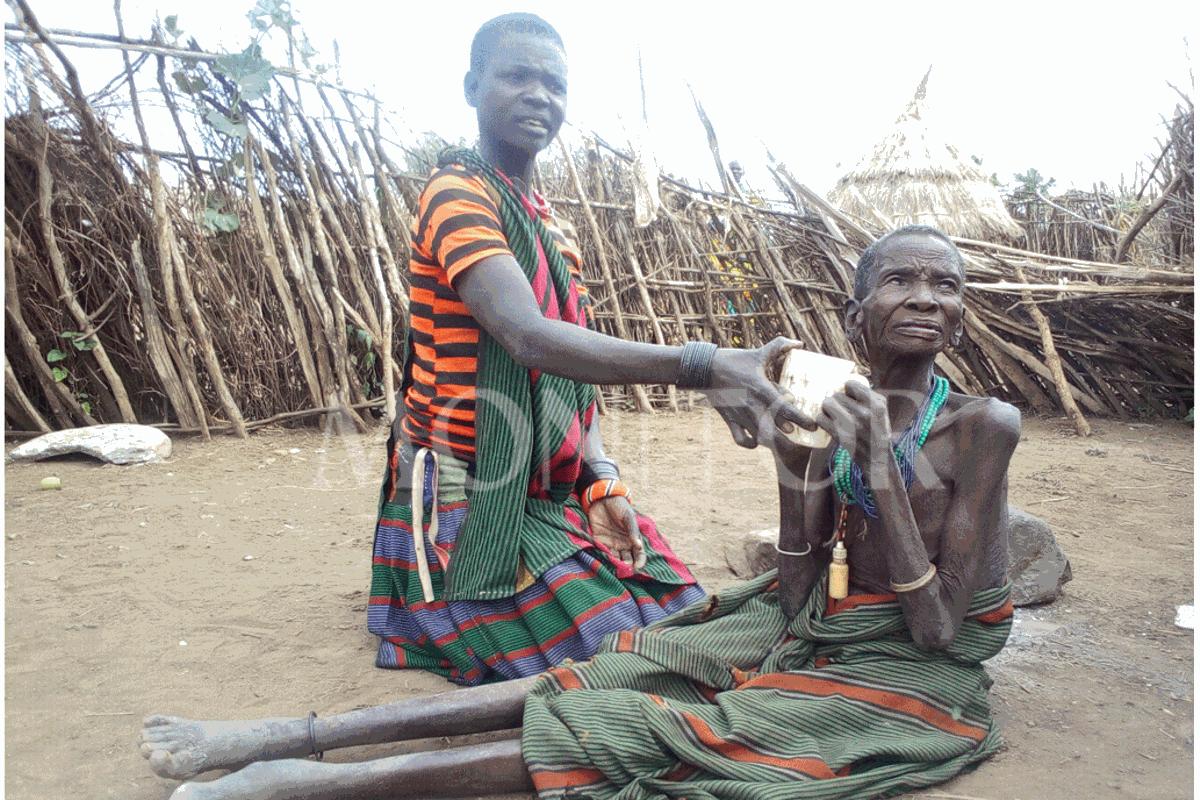
However, according to African Union data, their delay will cause a hunger crisis in various parts of the country. It will increase imported food inflation, and fuel Africa’s reversed progress on improving food security and nutrition.
According to three biennial reviews (BRs) carried out by the East African Community (EAC), Rwanda is the only country in East Africa that is progressing as expected.
These reviews have three different benchmark scores: 3.94, 6.66, and 7.28, which correspond to 2017, 2019, and 2021, respectively.
Uganda scored 5.89 in the third review, falling short of the previous two BR targets. However, it improved by 4.0 percent from the previous review’s 5.68 scores.
As a result, EAC’s contribution is now in grave danger. “EAC fell short of the benchmark for this commitment area—the regional score dropped from 9.72 achieved in BR2 (2019) to 9.00 in BR3 (2021),” according to Fahari Marwa, the EAC Secretariat principal agricultural economist.
Tanzania and South Sudan further hamper the EAC region’s performance. This fell from 5.11 in 2019 to 3.46 in 2021 in the third BR of a benchmark with a 6.86 score, an indicator of improving investment finance in agriculture. Uganda had a 3.99 score, though.
Mr. Fahari noted that Uganda has constructed more than 5,000 valley dams and tanks to increase irrigation area and improve agricultural water access—from 9,000 hectares in 2000 to 75,850 hectares in 2020 between the three BRs in the policy and programmatic changes.
However, the country didn’t meet the mutual accountability benchmark for actions and results of 7.75, with a 6.61, having been outpaced by Burundi, Rwanda, and Tanzania with 8.12, 9.87, and 9.39 respectively.
However, Uganda’s tolerance for climate change was higher than the EAC average of 7.72, coming in at 7.65. “Only Burundi and Rwanda achieved the benchmark score in the commitment area focused on enhancing resilience to climate and weather-related shocks,” according to the EAC region statement released May 4, 2023.
“Uganda was on track in the previous BR but failed to maintain its score above the benchmark in 2021,” it added.
AU now advises Uganda to increase the proportion of young people working in new agricultural value-chain jobs, which is currently only 3 percent, as well as the yield of the nation’s priority agricultural commodities and the agricultural value added per arable land, which is currently 16.6 percent.
The AU statement notes that Uganda demonstrated exceptional resilience to climate change and weather-related shocks in farm, pastoral, and fisher households. This resulted in a “progressing well” status and a 6.28 score for reducing hunger on the continent over the next two years.
“If Africa does not transform its food systems towards greater sustainability and resilience and an improved ability to achieve zero hunger and provide good nutrition for all, the continent is unlikely to achieve many of the goals on the 2030 Agenda, which are intended to ensure better livelihoods, inclusion, and prosperity for people,” according to the 2022 Africa Agriculture Status Report.
According to the data in the report, Uganda’s government only invests $825.255 million of the $4.126 billion annual target for investments in agriculture, while the private sector makes a staggering $3.301 billion.
For More News And Analysis About Uganda Follow Africa-Press