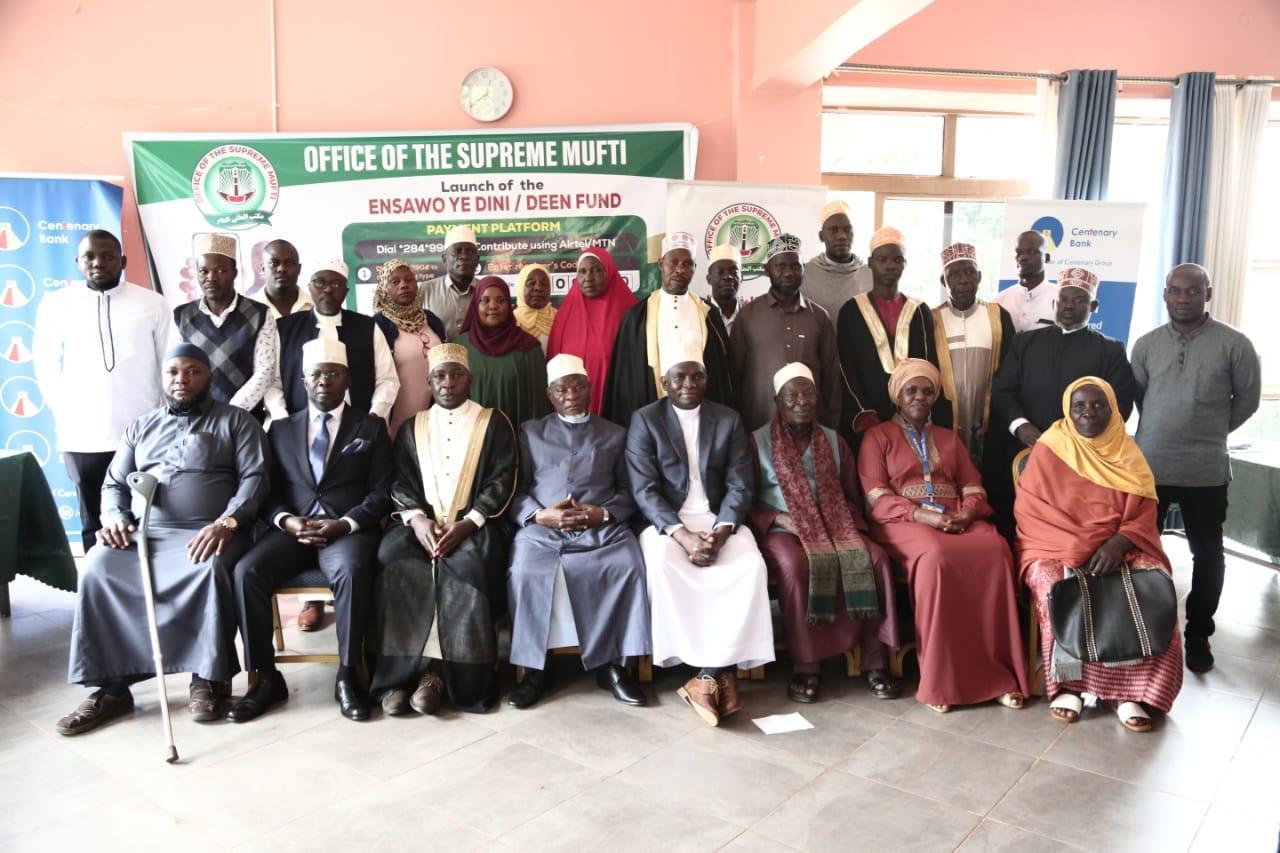
Africa-Press – Uganda. The Office of the Supreme Mufti has rolled out a new digital initiative aimed at promoting transparency and accountability in mosque administration, beginning with the training of imams on modern financial management systems.
The program, dubbed the “Religious Wallet” system, was launched in wakiso where imams from across Wakiso District received training on how to use digital platforms to collect and manage funds, replacing traditional cash handling practices.
First Deputy Supreme Mufti Sheikh Ibrahim Ntanda said the initiative is intended to eliminate financial irregularities and strengthen unity among Muslims.
“We ask Muslims to remain steadfast and avoid divisions as we move together in this new direction. The practice of physically handling cash in mosques must be phased out to prevent mismanagement,” Ntanda said.
He noted that repeated cases of mismanagement of Islamic property prompted the leadership to introduce reforms that ensure transparency in governance and operations.
“We are committed to safeguarding Islamic assets. Through this system, we shall build transparency in leadership and service delivery while planning projects such as Salaam Centres, regional offices, hospitals, and vocational schools,” he added.
The spokesperson of the Muslim leadership at Kibuli Hill, Muhammad Musoke Kiggundu, said the initiative will improve the collection and management of Zakat and Sadaqah.
“Transparency and accountability in the use of Zakat funds are critical. When these funds are mismanaged, Muslims fail to develop, and the surrounding communities also lose out,” Kiggundu said.
He added that the leadership will intensify training for mosque leaders to eliminate informal cash collections and ensure funds are managed through mosque governing councils with clear accountability.
Grace Kyamugisha, Manager of Centenary Bank Wakiso Branch, urged Muslims to embrace the system, noting that it will protect their financial contributions.
“This system will safeguard your money through transparency and proper accountability. It will help Muslim communities achieve their development goals, including building mosques at county and district levels,” Kyamugisha said.
Wakiso District Supreme Khadi Sheikh Kassim Yusuf Sengonzi introduced a one-acre piece of land donated by Edward Mubiru in Kakiri for community development projects.
“We urge imams to maintain good communication with the communities they serve so that these projects benefit everyone,” Sengonzi said.
The digital fund management system marks a significant shift toward modern governance within the Muslim leadership, with expectations that it will enhance trust, improve service delivery, and accelerate community development initiatives.