Africa-Press – Uganda. As the past week ran to a close, the gesture by the Speaker of Parliament, Ms Anita Among, to fetch 11 female legislators from the Central Police Station in Kampala got a lot of traction.
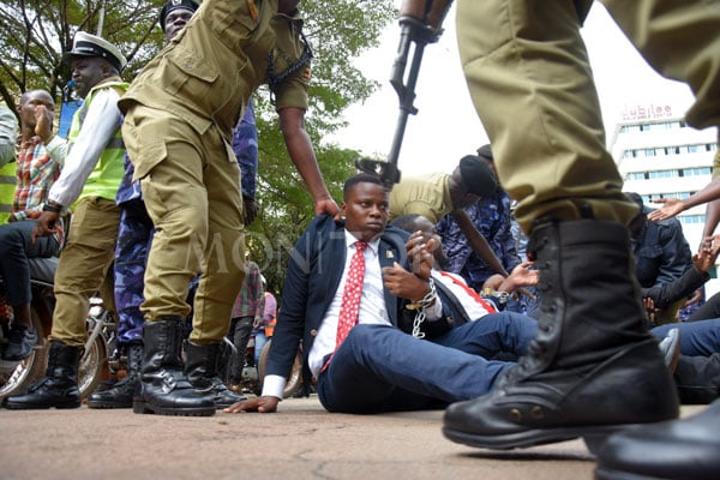
The MPs were brutally arrested at the gates of Parliament as they attempted to march to the Ministry of Internal Affairs, demonstrating the continuous harassment by police.
The most saddening part of this episode is that those protesting against their brutal arrest in the past were again brutally arrested.
So often, the police will apportion blame on the victims or the individual officers. However, the incidents are now too regular to be reduced to meagre cases of individual responsibility.
This is now the way police and security organs do their job. Violence and humiliation of victims is routine.
None of you can remember a situation where someone holding a peaceful demonstration, bar a few in favour of government or community causes, has been ‘protected’ by the police.
While the calls to the police to do better are endless, we shouldn’t jump blindly to give Ms Among flowers. Yes, it’s her job to pick those MPs from detention.
But, who then will rescue the others who spend months, even years, incarcerated without trial? The gesture by the Speaker should give us an opportunity to reflect.
Cases of detention without trial have been in the news many times. Families have written to the Inspector General of Police (IGP) and the Chieftaincy of Military Intelligence (CMI) countless times seeking justice for their loved ones. Some never return. Others stay in detention and their trials never take off.
Indefinite detention is the incarceration of an arrested person by a national government or law enforcement agency for an indefinite amount of time without a trial; the practice violates many national and international laws, including human rights laws.
That brings us to the role of the Director of Public Prosecutions (DPP). If there was no evidence in the first place, how does the DPP approve the charges? In our view, the handling of this case does not reflect regard for “the interest of the administration of justice and the need to prevent abuse of the legal process” as required by Article 120(5) of the Constitution.
The institution of the DPP has a responsibility to ensure that it functions as a vehicle for delivering justice, rather than a conduit through which injustice is dispensed.
The linkage between security agencies in sanctioning or dropping charges, altogether, leaves a lot to be desired. And not everyone has access to the Speaker.
For More News And Analysis About Uganda Follow Africa-Press