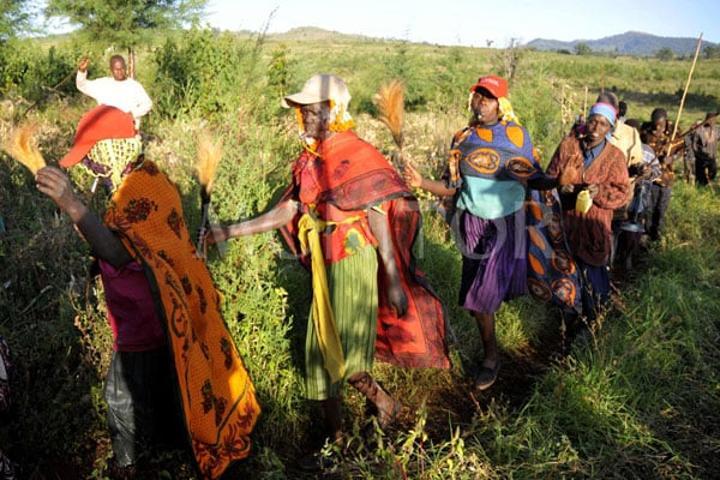
Africa-Press – Uganda. Local leaders in Karamoja and Sebei sub-regions have been regarded as one of the obstacles to campaigns to end Female Genital Mutilation (FGM) in their communities.
FGM is mostly practised by Pokot and Sabiny people in the districts of Kween, Moroto, Kapchorwa, Amudat, Bukwo and Nakapiripit among others.
Mr Joseph Pembee Lotuw, the Senior Community Development Officer of Amudat District, said that despite the enactment of the FGM act in 2010, the local leaders don’t seem to care.
“They have taken everything in their hands. You find local leaders sabotaging the case when someone is caught doing the act. The case does not even reach the police or office of the Community Development Officer,” Mr Lotuw said in an interview with the Monitor on Saturday.
Mr Samuel Frances Ononge, project officer at Action Aid in the Sebei sub-region, said most of the leaders fear talking about FGM in their communities because of the fear of losing popularity.
“For example around 2018 and 2019, there were massive FGM acts in Kween District. But when people were arrested, the political leaders made sure they were released,” he said.
Mr Festo Majinjach, Programmes coordinator of Sabiny Transformation Initiative said: “Politicians are not willing to pronounce themselves against FGM. They say yes against FGM in front of the camera because they know people in their areas do not watch television but when they reach there, they say this is our culture.”
Other obstacles
Although the cases of FGM are decreasing, Mr Lotuw said there are other obstacles that need to be addressed, which include; the change of strategies by the perpetrators, porous borders, high illiteracy rates, inconsistencies in the Judiciary, and financial constraints among others.
“Before FGM used to be carried out in an open environment without hiding, but nowadays, they do it in the bushes,” he said.
Mr Majinjach said: “Women still go to traditional birth attendants and in that process, the husband connives with the attendant to do FGM on the wife. This is equally done at maternity homes run by professional health workers.”
As the country moves to end FGM by 2030, the leaders have called upon the government to inject a lot of funds into the campaigns and strengthen the existing laws against it.
For More News And Analysis About Uganda Follow Africa-Press