Africa-Press – Uganda. Be patient; I will introduce the “other” Robina Nabbanja in a minute.First, as we mark Uganda’s 63rd Independence Anniversary this week, let me state the obvious: Governor Sir Andrew Cohen, ceremonial President Sir Edward Muteesa, and executive Prime Minister Milton Obote played significant—but ultimately limited—roles in delivering Uganda from foreign political domination.
The Cold War, which followed soon after political independence, made it impossible for Obote to implement his “Common Man’s Charter.” Under that charter, ordinary Ugandans were to own the means of wealth creation in extractive, construction, and service industries. The 1971 coup truncated these efforts.
There is therefore a grain of truth in President Museveni’s claim that real independence—particularly economic independence—began with the NRA/M government. Freed from the Cold War constraints, which ended with the Soviet Union’s collapse in 1991, Museveni set Uganda on a path not only toward economic self-reliance but also sustainable development.
And that is where the “other” Robina Nabbanja—the first woman Prime Minister—comes in.
Why “other”? Each of us harbours more than one persona. Take Robinah Nabbanja, the Woman MP for Kakumiro District: she is often seen on TV or social media, singing and dancing to mobilize support for President Museveni and the NRM party. That is one Robinah.
The other Robinah is the Prime Minister of Uganda—the dignified, no-nonsense diplomat who carries the weight of international engagement with grace and authority. It was this Robina I had the privilege of meeting last week during a trade and investment promotion event in London.
Invited by the High Commission due to my leadership role in the think-tank African Solutions to African Migration @farican_crisis, I found myself seated just one chair away from the Prime Minister. From that vantage point, I saw her at work as a classic diplomat, in line with Chas W. Freeman Jr.’s description in The Diplomat’s Dictionary:
“The work of a diplomat affects the life of a nation. It helps to determine the sense of confidence, security and well-being of the citizenry, their general welfare, the balance of trade and payment, whether employment opportunities are created or destroyed through exports and imports…”
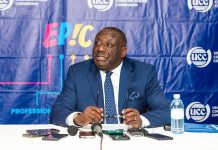
Well-briefed and authoritative, she addressed a diverse audience of Ugandans and friends of Uganda, delivering facts and statistics designed to attract trade and investment.
“As never before,” she said, “peace and security are assured, life expectancy is increasing, infrastructure projects like roads and power generation are advancing, and investment opportunities are limitless—in farming, manufacturing, trade, and beyond.”
She singled out diaspora Ugandans, highlighting the value of their remittances for education, health, and investment, while candidly acknowledging ongoing challenges: “There is corruption, but we as a government are working on it.”
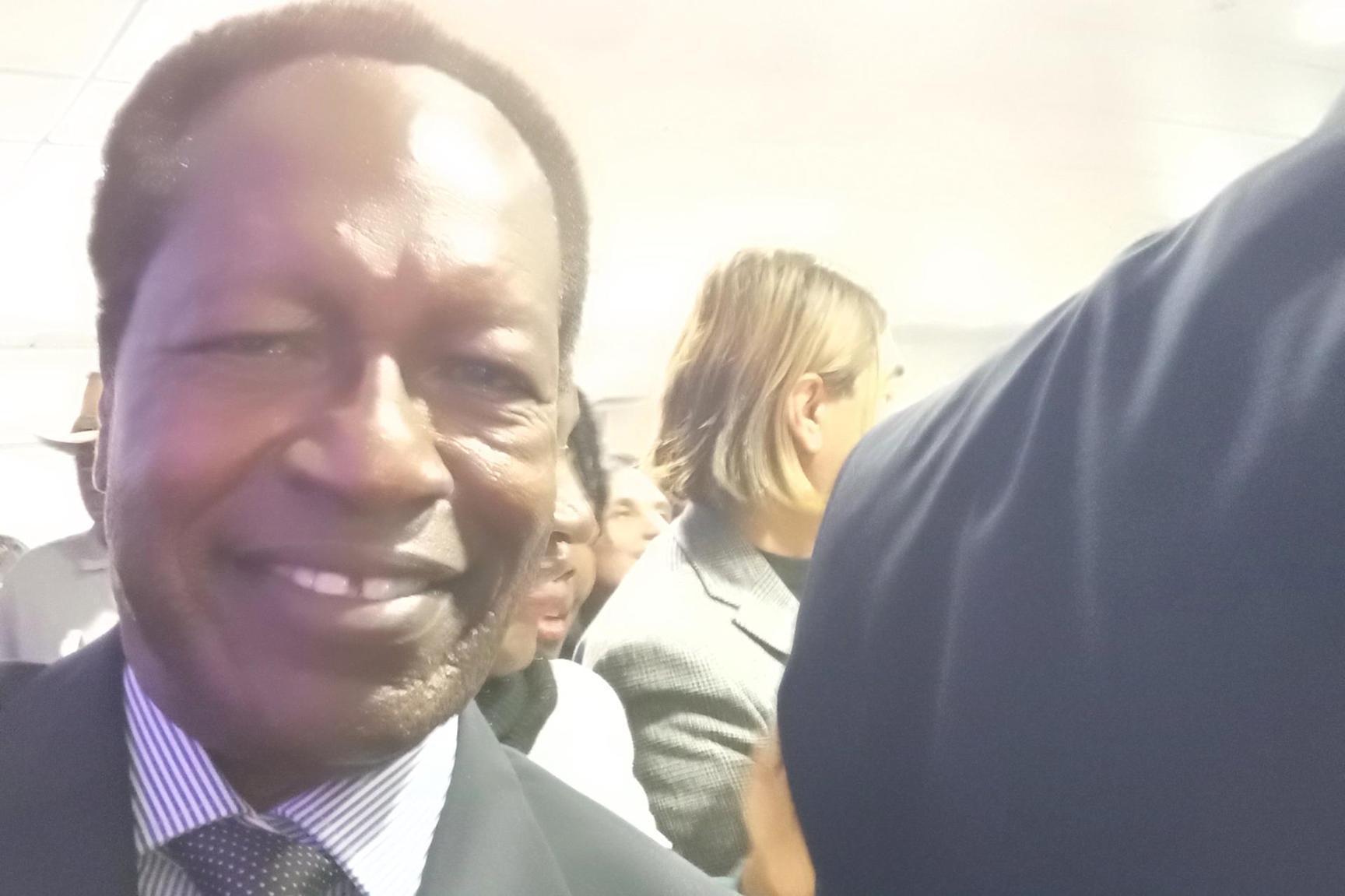
Her words resonated. The audience surged forward for selfies as she prepared to leave for meetings with British government ministers. Yet nothing seemed to sway her from her diplomatic composure. Unlike her public persona at home, there was no singing or dancing—just a warm smile, a firm handshake, and a graceful exit.
Meeting Prime Minister Robinah Nabbanja humbled me in a way different from meeting Milton Obote years ago; our encounter was grounded not in the accident of birth but in a shared commitment to promoting trade and investment—the master key to tackling poverty and unemployment.
Uganda’s economic story is incomplete without recognizing the contributions of our Indian brothers and sisters, who laboured and invested long before independence. While the Mulji Prabhudas Madhvani family stands out, thousands of other Indians risked life and limb building the so-called “Lunatic Line”—the Uganda Railway from Mombasa to Kampala, begun in 1896.
Let us honor them. If we were to give them a tribe complete with a traditional ruler, I nominate the current Uganda High Commissioner to London, Her Excellency Mrs. Nimisha Jayant Madhvani.
For More News And Analysis About Uganda Follow Africa-Press