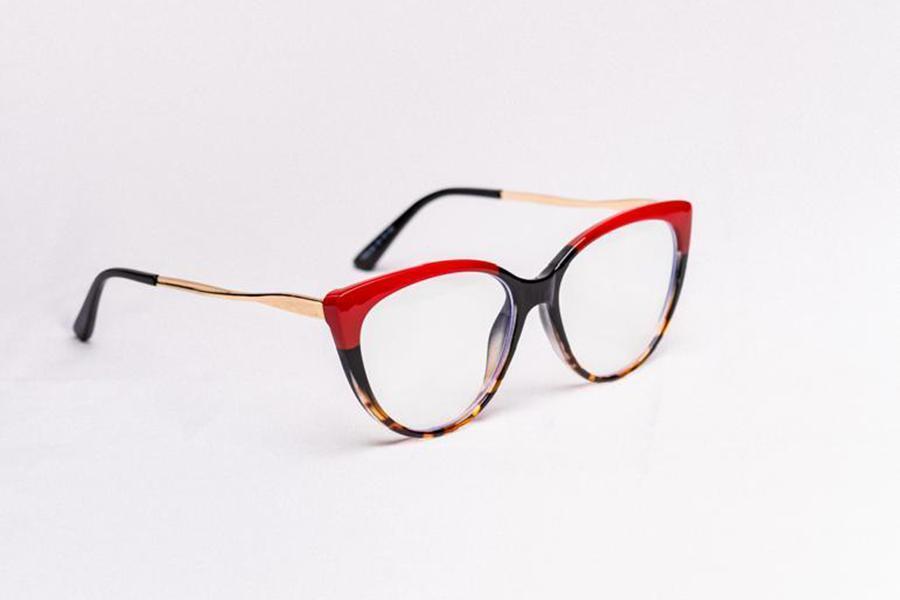
Africa-Press – Uganda. As screen time and outdoor exposure increase, eye care experts are increasingly recommending eyewear that protects against both digital strain and sunlight.
Photochromic glasses with built-in blue light filtering are emerging as a practical all-in-one solution.
Unlike regular glasses, photochromic lenses automatically adjust to lighting conditions. They remain clear indoors and darken when exposed to sunlight, blocking harmful ultraviolet (UV) rays.
When combined with blue light filtering, the lenses also reduce exposure to high-energy blue light emitted by phones, computers and other digital screens.
How the Technology Works
Indoors, the lenses stay clear while filtering harmful blue light from digital devices. This helps reduce digital eye strain, headaches and fatigue associated with prolonged screen use.
Outdoors, the lenses react to UV light by darkening, functioning like sunglasses. In this mode, they block UV rays and intense sunlight while continuing to filter blue light, offering comprehensive eye protection.
Key Benefits
One of the biggest advantages is convenience. With a single pair of glasses, users no longer need to switch between prescription glasses, blue light glasses and sunglasses.
The lenses help reduce eye strain caused by extended screen time, making them ideal for office workers, students and frequent phone users.
Outdoors, they protect the eyes from UV damage, which is linked to long-term eye conditions such as cataracts.
Their versatility makes them suitable for a wide range of environments — from offices and classrooms to driving, walking and outdoor activities.
What to Look for When Buying
Consumers are advised to look for lenses marketed as “intelligent” or “adaptive,” specifically stating that they combine photochromic technology with blue light filtering.
For those who drive frequently or are sensitive to glare, polarized lenses offer additional comfort by reducing reflections from roads and windshields.
Lens colour is also worth considering. Standard photochromic lenses may develop a mild tint, while some blue light–blocking lenses use yellow or amber tones for stronger filtering. However, clear blue light–filtering options are widely available for those who prefer a natural look.
The Bottom Line
Photochromic glasses with blue light protection offer a practical, cost-effective way to protect the eyes throughout the day.
By adapting to both digital and outdoor environments, they eliminate the need for multiple pairs of glasses while supporting long-term eye comfort and health.
For More News And Analysis About Uganda Follow Africa-Press