Africa-Press – Uganda. Scientists have unraveled the mystery surrounding the ‘black rains’ baffling residents of Busia District.
The residents of Sofia Village, Busia Municipality, Busia District and parts of Kenya were puzzled by these rains on Saturday morning.
Mr George William Omony, a meteorologist at Uganda National Meteorological Authority (UNMA), told this publication yesterday in a telephone interview that the discolouration is as a result of pollution during the dry season.
“During the dry season, the atmosphere gets polluted and that means there are a lot of dark particles in the atmosphere because of road works, vehicle movements on roads and other economic activities carried out during the dry season, so wind blowing can sweep these dark particles and take them to the atmosphere,” Mr Omony said.
He added: “When grass or bushes are burnt, the ash and smoke goes to the atmosphere, they create atmospheric pollutants whose concentration increases during the dry season but during the wet season, the concentration of atmospheric pollutants lowers because rain washes them off.”
Mr Omony explained that meteorologists anticipated prolonged rains until January in most parts of the country, leading to an accumulation of pollutants in the atmosphere.
“If rain continues, then the pollutant will be washed completely from the atmosphere and clean water from the rain will start coming. That is why you see that during the dry season, the roof of the iron sheets becomes dirty because the particles are blown on to them,” Mr Omony said.
Mr Omony cautioned against using the black rainwater for human or animal consumption, as it may cause diseases.
“Some plants may resist its effects but other plants may be affected but when the rains come, they wash it off unless the pollutant stays there for a long time then it will affect plants seriously,” Mr Omony said.
Mr Athanasius Mugerwa, a Busia District official, said the black rainwater signifies atmospheric carbon presence and contains chemicals that are indigestible by animals.
“The water also has no nutrients. This water has carbon that congests the blood stream of the animals and also if these animals are slaughtered and eaten by humans, it is not good and healthy at all,” Mr Mugerwa said.
Mr Jimmy Ngolobe, the Busia District Environment Officer, said the dark rains could point to possible mass pollution of the atmosphere.
“Ideally, rain water is supposed to be colourless and clear; therefore, any change in colour points to pollution of the atmosphere,” Mr Ngolobe said.
He added that water is a solvent and capable of dissolving soluble particles which are suspended in the atmosphere.
Mr Ngolobe, however, said there is a need to subject the black rain water to environmental laboratory tests before drawing in to conclusions.
Residents say
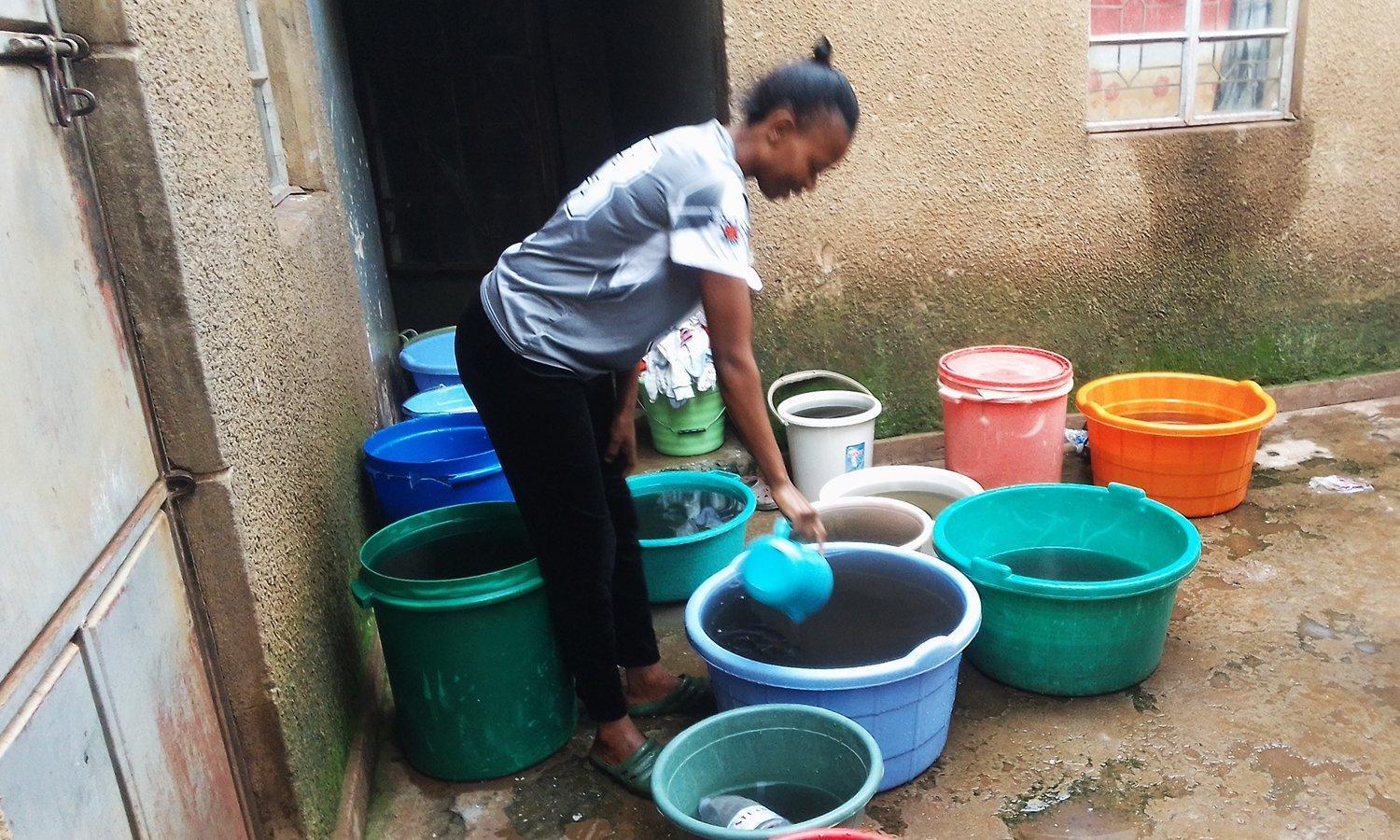
Ms Winnie Kakai, a resident of Sofia Village, said she was baffled by the black water she harvested during the downpour, raising concerns about potential implications.
“I have read about red water in the Bible, but with this black rain, I am getting worried that the end of the world is near,” she said on Sunday.
Mr Francis Magambo, a resident of neighbouring Marachi Village, said he initially thought his containers were dirty, but even after washing them, the water remained black.
For More News And Analysis About Uganda Follow Africa-Press