Africa-Press – Uganda. The Directorate of Industrial Training (DIT) has revealed that the mismatch between what is taught in vocational training institutions and what is required on the job market is one of the main challenges hindering the growth of the sector in Uganda.
DIT is mandated to develop occupational standards, regulate work-based training schemes, and expand the Uganda Vocational Qualifications Framework, among others.
Speaking during the inauguration of the 5th Industrial Training Council (ITC) in Kampala yesterday, the DIT executive director, Mr Patrick Byakatonda, said the training institutions have been unable to produce what the market needs.
“Previously, people were getting training, which is totally different from what the country needs because there was no guidance on what should be produced in terms of experts. The purpose of DIT is to close that gap,” he said.
Mr Byakatonda added that to reduce the skills gap in the working class, they have embarked on developing short term assessment and training packages required by all institutions which offer vocational training.
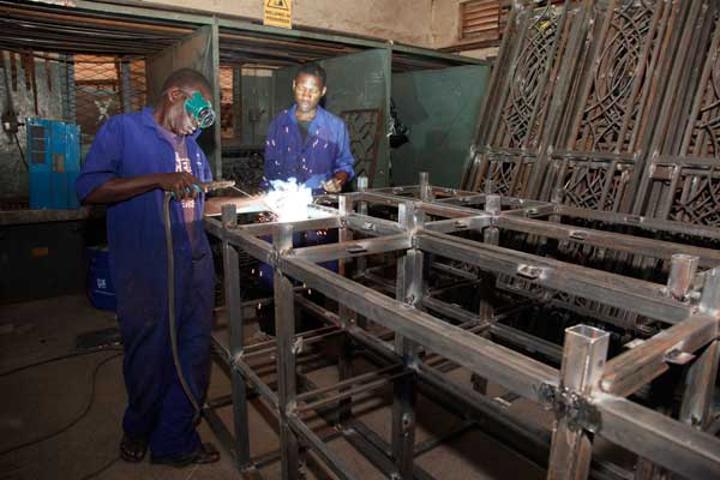
“The Korean government has given us a grant of Shs32b to support the skilling programme across the country for a period of five years and among the short courses are welding, tailoring and plumbing for six months,” he said.
Mr Byakatonda added that by end of the year, DIT targets 100,000 trainees to come on board since they have been certified by the International Organisation for Standards (ISO).
“At first, we had 42,000 students; in the second phase, we had 8,000 and in the third, we have 10,000. We expect by end of this year to have100,000 students,” he said.
Mr Byakatonda also noted that since they have been awarded an ISO certification, the certificates issued by DIT will be recognised internationally.
The new chairperson of Industrial Training Council, Ms Ruth Biyinzika who replaces Dr Joseph Muvawala, said the new team has come in at the right time when the government is working on changing the lower secondary curriculum.
Ms Biyinzika added that the new lower secondary curriculum speaks to them as the private sector because for a long time, the employers have been having a challenge of unskilled graduates.
Ms Biyinzika added that DIT has given many skilled Ugandans who have never gone to school a chance at education by certifying their skills.
“One of the key issues we need to do is to ensure that verifiers and assessors are properly trained and selection process is done properly,” she said. Mr Ismail Mulindwa, the director of basic secondary education at the Ministry of Education and Sports, said vocational education needs to find ways of providing flexible solutions to the changing labour market.
New ITC board members
Mr Adrian Ndemere
Mr Milton Steven Owor
Mr Mansuli Senyondo
Mr Paul Kyalimpa
Mr Alex Asiimwe
Mr Richard Roy Anguye
Mr Steven Kabagambe
Mr Moses Richard Mauku
Ms Veronica Namwanje
Mr Patrick Byakatonda
Ms Elizabeth Akimpaya Zungu
For More News And Analysis About Uganda Follow Africa-Press