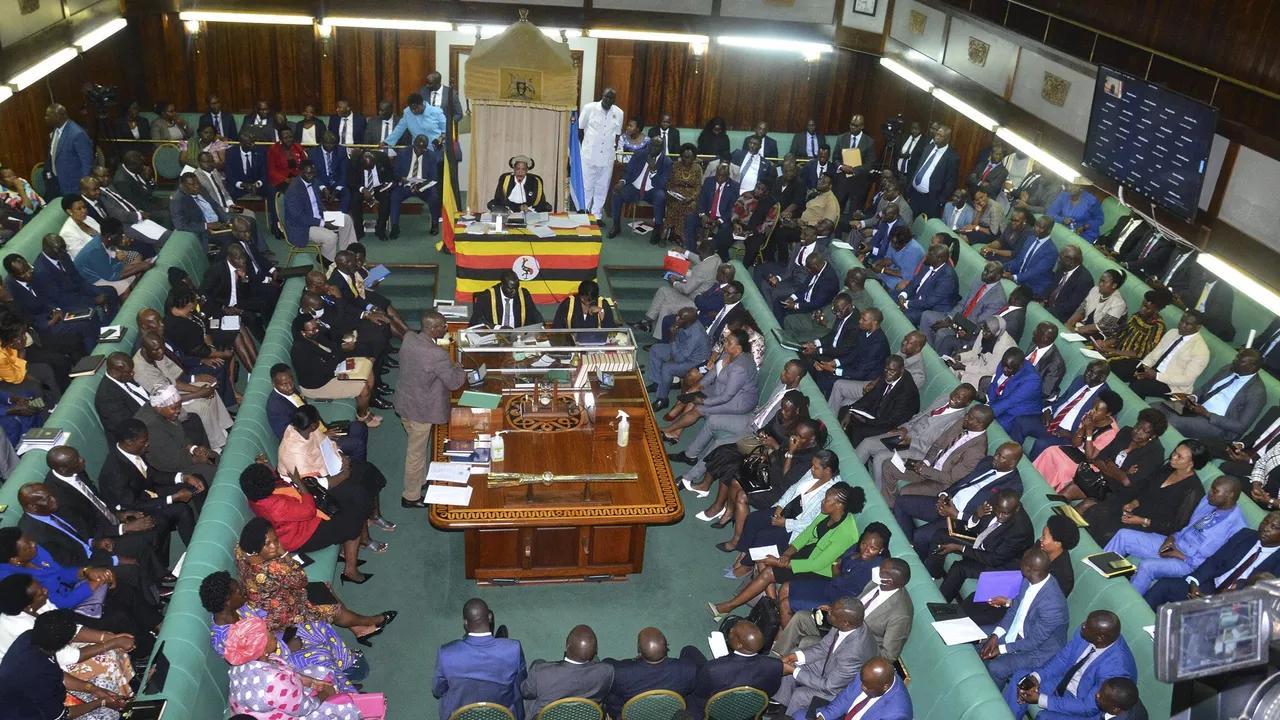
Africa-Press – Uganda. Debate is intensifying in Uganda over a proposed sovereignty bill currently before Parliament, with opposition leaders warning that the legislation could significantly expand state oversight over citizens’ private and economic activities.
Benjamin Katana, treasurer of the National Unity Platform (NUP), has described the bill as part of a broader trend toward increased regulation of everyday life, arguing that it risks altering the relationship between citizens and the state.
According to Katana, the proposed law could introduce requirements that make ordinary financial interactions, including receiving support from abroad, subject to government approval.
“This goes beyond national security,” he said. “It raises questions about how far the state should go in regulating private life.”
The proposal has also drawn concern from civil society actors, who warn that it could narrow civic space and discourage cooperation between Ugandan institutions and international partners, particularly those reliant on external funding and collaboration.
Uganda already operates under established legal frameworks targeting financial crimes, including money laundering and terrorism financing.
Critics of the bill argue that these existing mechanisms are sufficient, and that the new legislation may duplicate them while expanding state authority in ways that could affect civil liberties.
Katana further warned that the implications could extend beyond financial regulation, pointing to possible effects on freedom of expression and association.
He suggested that the legislation could contribute to a broader environment of increased surveillance and control.
Government officials, however, have defended the proposed law, stating that it is intended to safeguard national sovereignty and strengthen protections against foreign interference in domestic affairs.
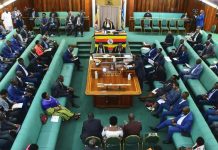
As parliamentary discussions continue, the bill is expected to remain a focal point of political debate, with stakeholders divided over the balance between national security and civil liberties.
For More News And Analysis About Uganda Follow Africa-Press