By Mamuli Obadiah Muwanga
Africa-Press – Uganda. Some time ago, I wrote about the dangers of special interest groups in Uganda’s Parliament. I warned that once representation is detached from productivity and contribution, demands would expand endlessly. First came youth representatives, a reality we now live with.
Soon, I argued then, other groups would follow, not necessarily because they were excluded from governance, but because entitlement had replaced merit. Today, that warning feels less like speculation and more like prophecy.
This reflection is not about attacking individuals. Names such as Mathias Mpuuga, Erias Lukwago Katuntu, Abdu Katuntu, Medard Sseggona, Jonathan Odur, Allan Ssewanyana, Francis Zaake, Derrick Kivumbi, Nicholas Opiyo Basaalirwa and others will always be raised whenever competence in Parliament is discussed. But the deeper question is not who speaks well or who trends on social media.
It is what becomes of Uganda’s legislation, institutions and future when mediocrity is normalised and, worse, celebrated.
Across Uganda’s political landscape, average performance is increasingly rewarded while excellence is treated with suspicion. Parliament, which should be the intellectual engine of national policy, is slowly being reduced to a theatre of noise, symbolism and entitlement.
Leadership is no longer judged by ideas, legislative output or ethical clarity, but by identity, outrage and political survival. When this becomes the standard, serious policymaking is crowded out by performance politics.
The danger of this trend is profound. Political office exists to solve problems, not merely to occupy space. When individuals ascend to leadership without the skills, discipline or vision required, the consequences are felt in poor laws, weak oversight and a failure to address urgent national issues such as healthcare financing, education reform, youth unemployment and public debt. Over time, citizens lose faith not just in leaders, but in democracy itself.
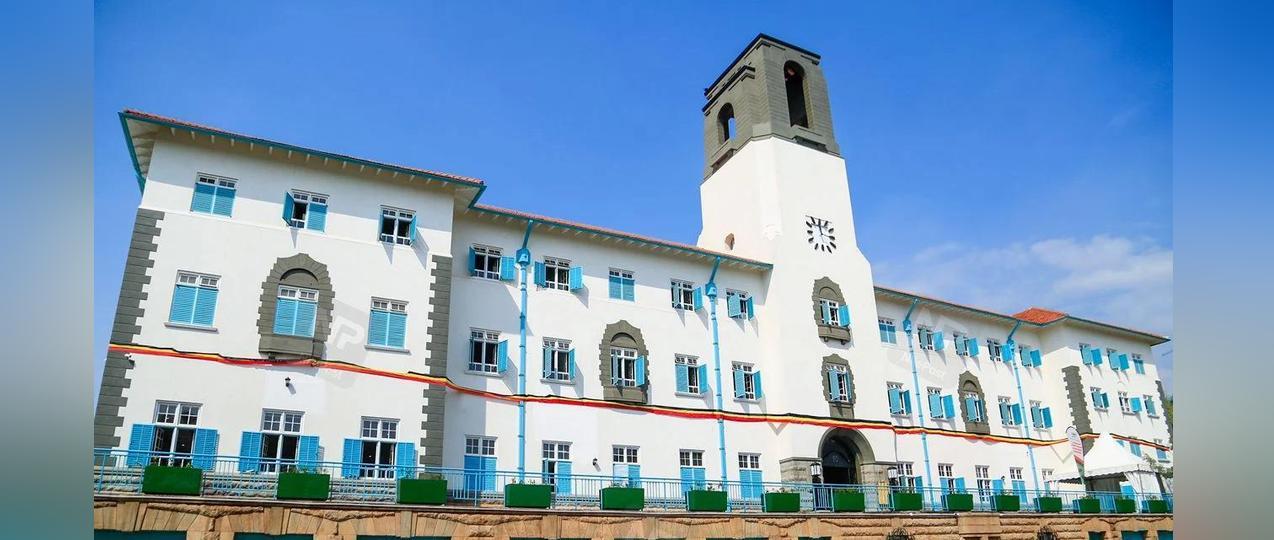
This same mediocrity has quietly crept into educational institutions. Schools and universities are meant to sharpen minds, build character and prepare citizens for responsibility. Yet increasingly, we are satisfied with minimal effort and cosmetic success.
Certificates are awarded without competence, and grades are prioritised over learning. When excellence is no longer demanded, society pays the price through a workforce that is ill-prepared and a citizenry that struggles with critical thinking.
Government institutions are not spared either. Mediocrity within public service breeds inefficiency, corruption and indifference. Systems stagnate, innovation dies, and accountability becomes optional. In moments of crisis, whether public health emergencies or economic shocks, the cost of incompetence becomes painfully visible.
Public trust erodes, and the state appears distant, incapable or uninterested in serving its people.
What is most troubling is that this culture discourages capable Ugandans from stepping forward. When effort is not rewarded and standards are not enforced, excellence retreats. Serious thinkers, professionals and reformers conclude that public service is no longer a space for impact, leaving leadership to those most comfortable with mediocrity.
Uganda must make a deliberate choice. We either recommit to merit, integrity and accountability, or we accept decline as normal. Excellence must once again be demanded in Parliament, in classrooms and in public offices. Representation should never replace competence, and inclusion should never be an excuse for underperformance.
Celebrating mediocrity may feel comforting in the short term, but it is corrosive in the long run. Nations do not collapse overnight; they decline slowly when standards fall and indifference sets in. If Uganda is to progress, it must restore respect for competence, reward genuine achievement and insist that leadership is earned, not merely claimed.
The future of our institutions, and indeed of the country itself, depends on it.
The writer lives in Seattle. He is a former guild president aspirant and a member of UYD.
Source: Nilepost News