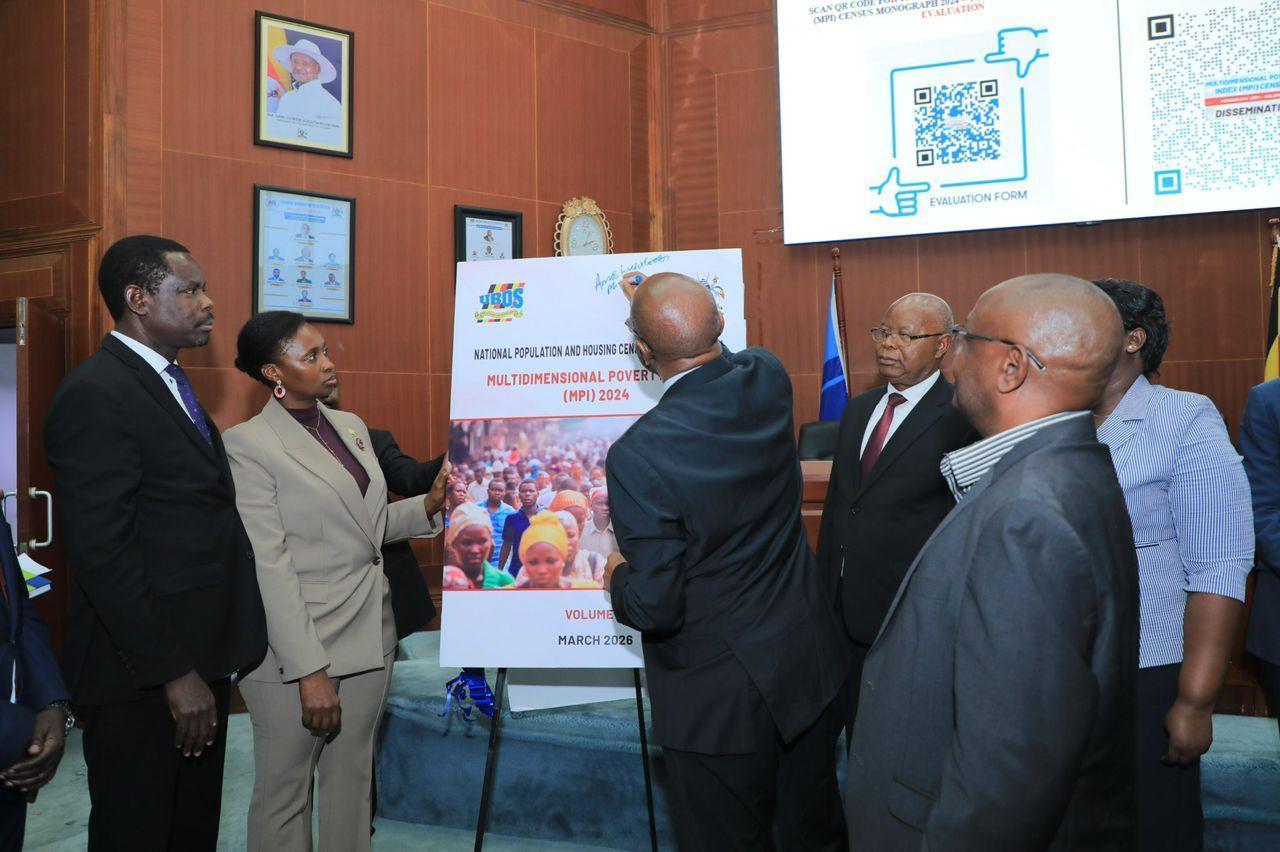
Africa-Press – Uganda. The Uganda Bureau of Statistics (UBOS) has released a new Multidimensional Poverty Index (MPI) report based on findings from the 2024 National Population and Housing Census, offering a broader assessment of poverty beyond income levels.
According to the report, 27 percent of Ugandans are classified as multidimensionally poor, reflecting deprivations in key areas such as education, health, living standards, and access to essential services. The index moves beyond traditional income-based measures by capturing overlapping disadvantages experienced by households.
The findings highlight significant regional disparities, with the Karamoja sub-region emerging as the most affected, recording a poverty rate of 56 percent. Within the region, Kaabong District is the most affected district nationwide.
Other regions with high poverty levels include West Nile at 39 percent, Sebei at 33 percent, Acholi at 33.2 percent, Rwenzori at 32.2 percent, Tooro at 31 percent, Bukedi at 30.9 percent, and Bunyoro at 30.1 percent.
In contrast, Buganda recorded some of the lowest levels of multidimensional poverty at 18 percent, followed by Teso at 24 percent, Lango at 25 percent, and Ankole at 25.8 percent.
The report identifies key drivers of poverty, including health-related challenges, limited access to clean and safe water, unemployment, poor sanitation, and inadequate housing conditions—factors that continue to reinforce cycles of deprivation across regions.
Speaking at the dissemination event, State Minister for Finance (Planning), Amos Lugoloobi, said the findings will play a critical role in strengthening government planning and improving the targeting of interventions.
He noted that the data will guide decision-making and enhance performance evaluation across sectors as the government works to address persistent inequalities.
Despite ongoing investments in Karamoja, Lugoloobi acknowledged that the region continues to face structural challenges, including cultural and climatic conditions, which sustain high poverty levels.
He added that the government will rely on the new data to strengthen programmes such as the Parish Development Model and other poverty reduction initiatives, with a focus on ensuring support reaches intended beneficiaries.
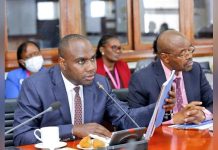
Members of Parliament, including Geoffrey Ekanya and Faith Nakut, emphasized the importance of using accurate and up-to-date data in budgeting and planning processes.
The MPI report is expected to inform policy direction and resource allocation as Uganda continues efforts to reduce poverty and improve living standards nationwide.