Africa-Press – Uganda. Uganda has taken a significant step toward strengthening regional energy integration with the rollout of a Shs937.5 billion electricity interconnection project linking its national grid to Tanzania.
The project is expected to expand cross-border power trade and enhance grid stability across East Africa.
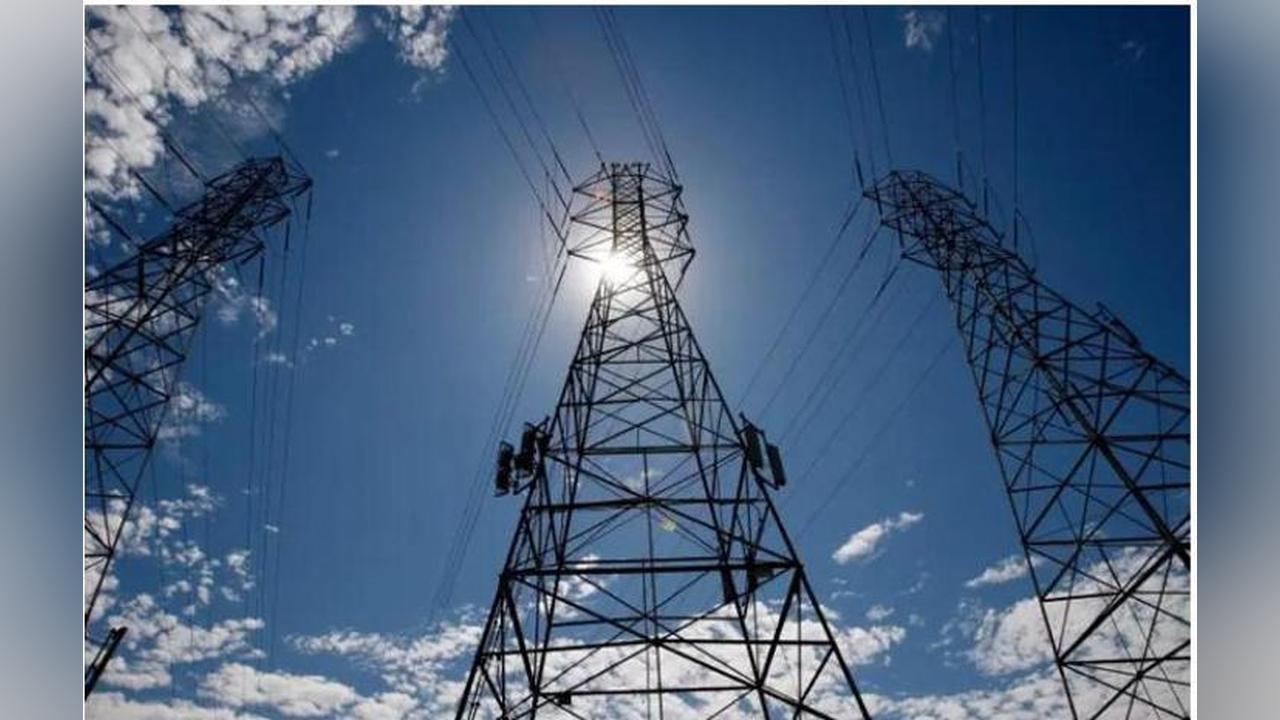
The 400kV Uganda–Tanzania Interconnection Project, estimated at about $250 million and financed by the World Bank, will be implemented by the Uganda Electricity Transmission Company Limited (UETCL).
It involves the construction of a 257-kilometre high-voltage transmission line and associated substations, making it one of the most strategic energy infrastructure investments in the region.
UETCL has begun engaging engineers, contractors and private sector players ahead of the procurement phase.
Speaking during a market engagement meeting in Kampala, UETCL Chief Executive Richard Matsiko said early collaboration with potential contractors is essential to minimise delays, cost overruns and design flaws that have affected previous large-scale infrastructure projects.
“This project is not just a transmission line; it is a critical asset for regional integration,” Matsiko said. “It supports the objectives of the East African Power Pool, which allows countries with surplus electricity to sell power through a regional auction system.”
The East African Power Pool brings together more than 12 countries to facilitate cross-border electricity trade and strengthen supply security.
Uganda, which has expanded its generation capacity in recent years through investments in hydropower and other energy sources, is positioning itself as a key exporter within this framework.
The project will be implemented in three main components: construction of a 165.1-kilometre transmission line from Wobulenzi to Masaka; a 92-kilometre line from Masaka to Mutukula at the Tanzania border; the development of a new 400kV substation in Masaka; and expansion of the existing Wobulenzi substation to integrate the new infrastructure.
Implementation will follow updated World Bank procurement regulations introduced in September 2025.
The guidelines require mandatory early market engagement for international contracts valued at $10 million or more.
They also mandate that at least 30 percent of total labour costs be allocated to local workers, a provision intended to boost domestic capacity and ensure communities along the transmission corridor benefit directly.
Daniel Kisira, UETCL’s Head of Project Implementation, said the local content requirement will be strictly enforced and factored into bid evaluations.
“The objective is to reduce implementation risks while maximising economic benefits for Ugandans,” Kisira said.
According to the Electricity Regulatory Authority, Uganda’s electricity exports to Tanzania have increased sevenfold over the past two decades.
Currently, power trade between the two countries is conducted through a smaller 132kV line, which limits transmission volumes and reliability.
The new 400kV interconnection is expected to significantly expand supply capacity and strengthen system resilience as Uganda works to monetise its surplus generation.
Uganda and Tanzania already collaborate in the energy sector through projects such as the 14MW Kikagati Hydropower Plant on River Kagera.
Officials say the new high-voltage interconnection will deepen that cooperation, supporting long-term energy security, industrial growth and regional competitiveness.