Africa-Press – Uganda. Multi-agency efforts focus on certification, quality standards, and value chain upgrades as Uganda positions itself to compete in the fast-growing global halal meat market.
Uganda is intensifying efforts to build a robust export ecosystem for halal-certified beef and related products, in a strategic push to access high-value international markets, particularly in the Middle East and Gulf region.
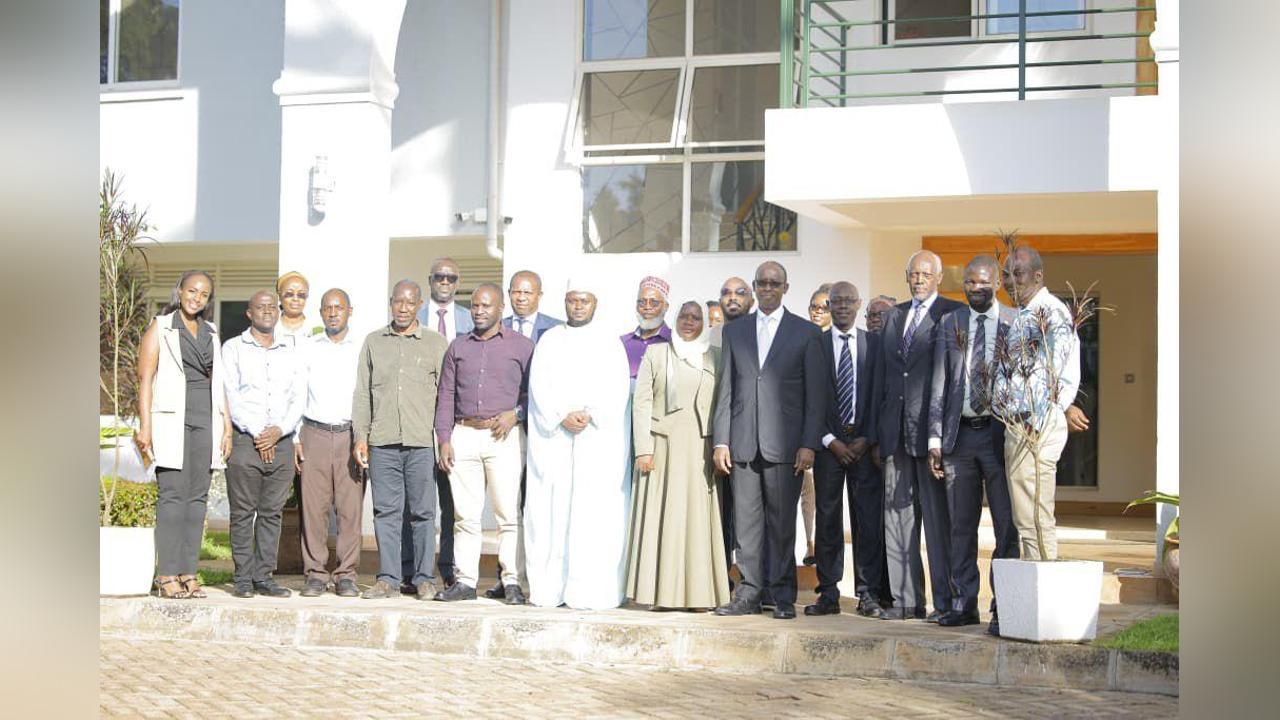
The initiative follows a high-level meeting convened by the Presidential Advisory Committee on Export and Industrial Development (PACEID) in Kampala, bringing together key institutions, regulators, and international partners to align on standards, certification, and market readiness.
Among the stakeholders were the Uganda National Accreditation Services (UGANAS), the Ministry of Agriculture’s Veterinary Services, and the Halal Certification Bureau of the Uganda Muslim Supreme Council, alongside an investment delegation from Ethiopia.
Discussions centred on strengthening Uganda’s capacity to meet international halal export requirements, with emphasis on building credible systems for testing, inspection, and certification—key pillars for accessing premium markets.
Dr. Richard Musafiri underscored the importance of globally trusted standards.
“For Uganda to compete internationally, our certification systems must be trusted globally. Accreditation is the backbone that gives confidence to importing countries that our products meet required standards,” he said.
Stakeholders highlighted that Uganda’s export ambitions must go beyond livestock numbers, focusing instead on consistency, quality, and structured production systems. Gaps were identified across the value chain, including feedlot development, processing facilities, transport logistics, and cold chain infrastructure—areas seen as ripe for private sector investment.
Dr. Higenyi James noted the need for a shift toward export-oriented production.
“Uganda’s challenge is no longer livestock numbers, but the quality and consistency required by export markets. We must shift towards structured production systems, particularly feedlots, improved genetics, and localized infrastructure, to ensure we can reliably supply export-grade animals that meet diverse international standards, including halal requirements,” he said.
From a market access perspective, Hajji Issa Shaban emphasized that halal certification plays a dual role.
“Halal certification is not just a religious requirement; it is a market access tool. Strengthening this system positions Uganda to tap into a fast-growing global halal economy,” he said.
Insights from Ethiopia’s export model also featured prominently, with Dawit Hairu Defar outlining how integrated systems have enabled sustained access to Gulf markets.
“Ethiopia has built strong export relationships with Gulf markets by investing in integrated systems, from production to certification and logistics. There is strong potential for regional collaboration to grow this market further,” he said.
Defar also expressed interest in sourcing beef and goat meat from Uganda for export, citing existing access to Gulf markets and opportunities for competitive supply.
PACEID Chairman Odrek Rwabwogo called for a coordinated national approach to unlock the sector’s full potential.
“I would like to thank Dr. JP Kabayo, who we named among our founding cohort of the leadership award in 2023 and a scientist who worked with International Atomic Agency (IAA) in the past, Dr. Musafiri the CEO of UGANAS, Mr Dawit Hairu Defar who leads a rems of nine Ethiopian investment firms, the officials from the Ministry of Agriculture, the Halal Certification Bureau of the Uganda Muslim Supreme Council for their commitment and follow-through in building this important ecosystem.”
Rwabwogo added, “For Uganda to grow exports seriously, the full chain must work together, from farm to market, from certification to logistics. That is the discipline required, and that is the ecosystem we must keep building through unity, standards, and shared purpose.”
The engagement reflects a broader shift in Uganda’s export strategy—moving from identifying markets to building the systems required to consistently meet global demand, as the country seeks to position itself competitively in the expanding halal economy.
For More News And Analysis About Uganda Follow Africa-Press