Africa-Press – Uganda. Stories of mass killings in the eastern part of the Democratic Republic of Congo had been widely reported. But when they spread to the eastern side of River Semuliki, we wrote a story titled: ‘Mr President, the killings in DRC are likely to spill over into Uganda’.
Although River Semuliki is inside the DRC, it forms the traditional border between Kitara (Uganda) and Isale (DRC). So, among Ugandan Bakonzo, any insecurity on the Kitara side of River Semuliki is perceived to be striking home (Uganda). Below is a direct quote from what we wrote then:
“Congolese families emptied into Uganda in an unrecorded refugee influx; thereby complicating social safety-net dynamics among our people. That’s why the President of Uganda needs to know what is taking place in Masamba, Lhume, Mutwanda, Rugetsi, Bulongo and Kotongo. Mr. President, these areas are too near Uganda; and the killings in these areas could easily turn into a security nightmare for Uganda.
Who are killing our people in DR Congo? The truth is I am not supposed (and expected) to know. But even if I were to know, I am not qualified to even carry the sandals of those to whom it is formally assigned to tell the president about the depth of those killings (and the implications for Uganda’s security and territorial integrity).”
*************
Early this week, Ugandan and Congolese military conducted a joint operation against ADF bases in Eastern DR Congo. This is portrayed as Uganda’s response to the recent Kampala Bombings.
On the whole, Ugandans seem to appreciate the effort (with their usual ‘buts…’ Even the Congolese, who would naturally be opposed to a foreign army conducting operations on their soil, seem to appreciate the joint military effort.
I am a member of several social media groups of Congolese nationals in the Diaspora and home. In most of the groups in which I am a member, the debate favours UPDF entry into DRC. But in ‘our’ typical Congolese way, the debates end up with the compulsive but needless expression of anger against Rwanda. In one of the debates in a particular group, it boiled down to ‘choosing between Bagandais et Barwandais’. ‘Mais le chois est clare (but the choice is clear),’ one group member wrote in response.
We are familiar with government’s ‘deliberate failure’ to involve parliament before the UPDF stepped on foreign soil. I also listened to Brig. Flavia Byekwaso speaking about the UPDF operation in DRC. The statement that UPDF is in DRC so the Congolese can have peace may sound innocent but ‘we’ the Congolese (in spite of our support for UPDF) take exception because we think it carries condescending overtones.
So, whereas we call on Ugandans to morally support the UPDF’s military campaign in the DRC, government and the UPDF should frame this operation as a fruit of the Congo-Uganda friendship (driven by the mutual benefits from economic partnership) that goes beyond the ongoing joint military operation.
UPDF operations in the DRC will also require a strong diplomatic accompaniment; complete with candid briefings to the mass media. Well, they may also need AMO (Asymmetrical Media Ops).
My fear is that if we left ‘this thing’ to the military, we may start hearing chest thumping and sidelining of Congolese efforts in the operations.
In fact this operation should be framed and promoted as a joint operation of the Ugandan and Congolese military. And this should reflect in all public statements. Clearly, the UPDF has nothing to prove (so it doesn’t have to exclusively own the operation).Remember this operation could impact on the presidential elections in DRC. Woe unto Ugandans if ‘we’ Congolese were not to vote wisely…
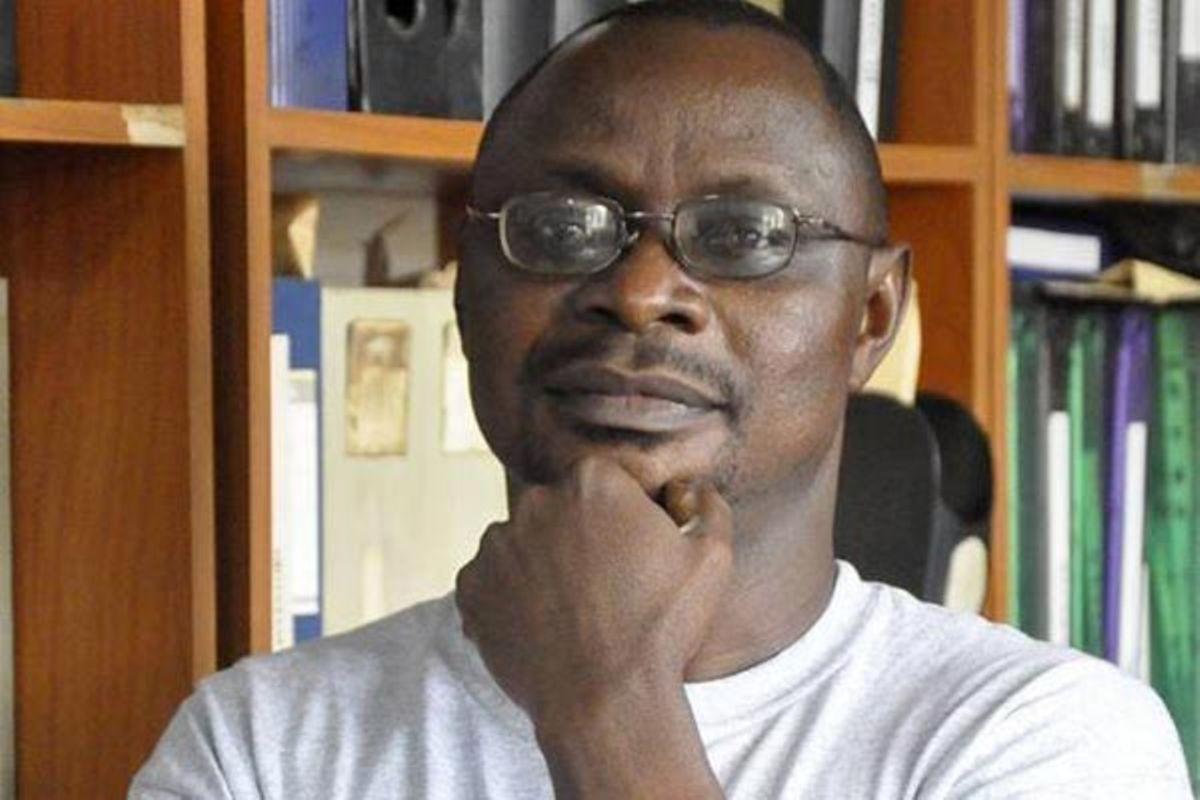
Mr Bisiika is the executive editor of the East African Flagpost. [email protected]
For More News And Analysis About Uganda Follow Africa-Press