Africa-Press – Uganda. The Deputy Executive Director for the East African Crude Oil Pipeline (EACOP), John-Bosco Habumugisha, has urged Ugandan youth to prepare for the increasing opportunities in the oil and gas sector as the country anticipates its first barrel of oil in 2026.
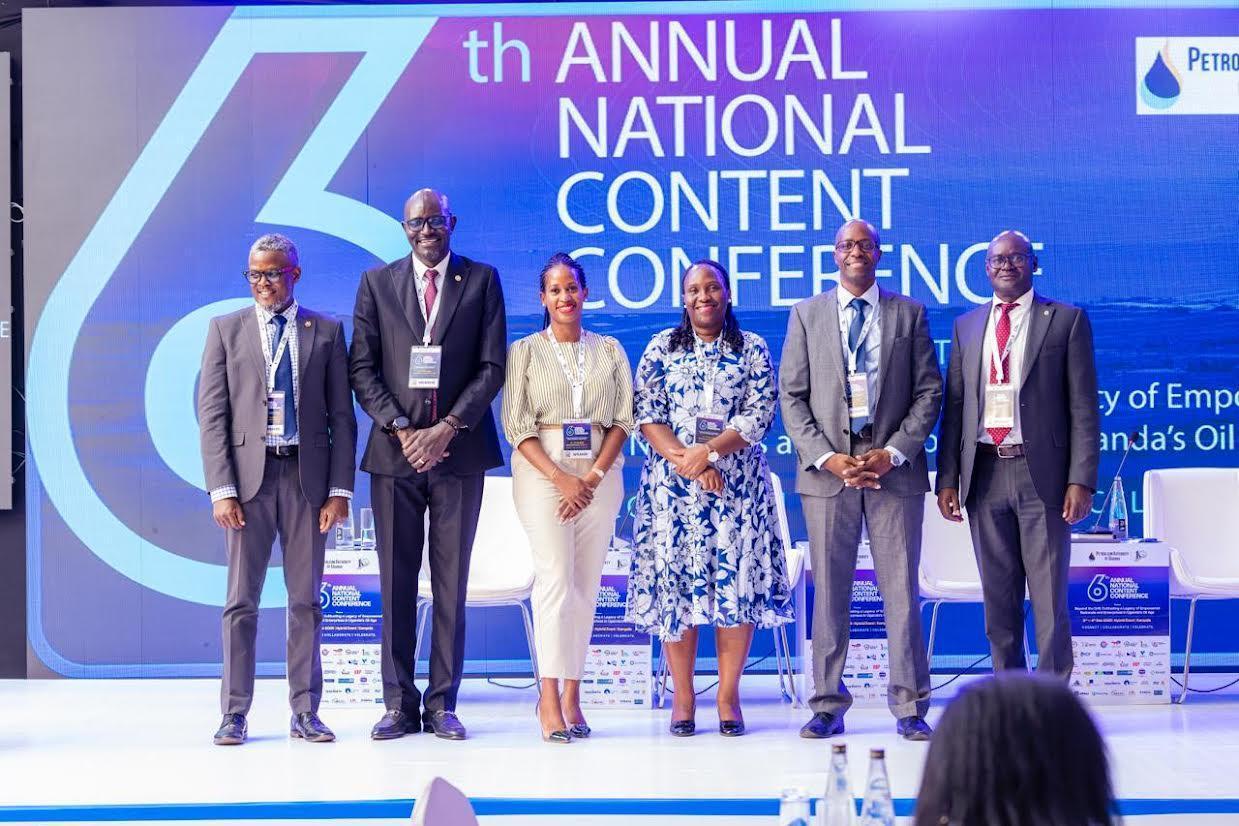
He made the remarks during the sixth Annual National Content Conference held at Mestil Hotel – Nsambya, where stakeholders convened to discuss how Uganda can build a strong legacy of empowered nationals and enterprises in the country’s oil era.
Habumugisha noted that Uganda’s oil journey is transitioning from the construction phase to operationalization, creating a new wave of opportunities that the youth must position themselves to exploit.
Keep Reading
WIPO Director General Launches Intellectual Property in Schools Project
Govt to Repair Fort Portal–Bundibugyo Road, Set Up Cocoa Factory, says Museveni
Former Katikkiro Walusimbi Warns Contractors Against Shoddy Road Works
Seventh Edition of Jinja Fish Festival Launched
Govt Hailed as Meta Plant Unveils New Offices to Boost Farm Mechanisation
Peace Has Enabled Uganda Thrive, Says Museveni in Bunyangabu
Stanbic Business Incubator Graduates First Cohort of Women-Led Green Enterprises
“Opportunities are coming for those who are prepared. We are shifting from construction to commissioning and operations. Recruitments will continue, and we need commissioning and operational experts. These opportunities are available and accessible; take them and reap the benefits the oil and gas sector presents,” he said.
He highlighted several EACOP project achievements, including 74% completion of construction, recruitment of over 90% Ugandans, and the training and graduation of more than 140 students in specialized oil and gas competencies—milestones that he said demonstrate Uganda’s growing readiness for oil production.
State Minister for Energy, Sidronius Okaasai Opolot, revealed that as the project shifts to the operational phase, 5,000 Ugandan enterprises have already benefited through supplier development programmes, capacity-building initiatives, and business linkages.
He added that the petroleum project is expected to run for over 25 years, with an estimated annual operating expenditure of more than US$8 billion, presenting significant long-term opportunities for local participation.
Topics You Might Like
uganda
oil and gas
EACOP
Ugandans Tipped on Rising Opportunities in Country’s Oil and Gas Sector
Business
Okaasai also urged training institutions to modernize and align their programmes with the evolving demands of the oil and gas sector.
“Uganda will need internationally certified technicians, instrumentation specialists, control room operators, pipeline inspectors, digital engineers, geoscience experts, and environmental scientists. Our training institutions must evolve; our skills ecosystem must become more agile, industry-driven, and technology-focused,” he said.
In his keynote address, Bank of Uganda Governor, Dr. Michael Atingi-Ego, underscored the centrality of oil and gas to Uganda’s vision for a tenfold economic growth strategy.
He explained that the sector will support key pillars such as agriculture—with fertiliser production expected at the Kabaale Industrial Park—tourism boosted by new hotels and infrastructure, mineral development, and science and technology through innovation.
Atingi-Ego also noted that oil-related investments have helped stabilise the national currency, as foreign investors convert dollars to pay Ugandan employees.
However, he cautioned that the true value of oil depends on strong policies and proper management, not on the number of barrels extracted.
“Oil money is neither a blessing nor a curse. The real test is not the number of barrels extracted, but how revenues are converted into national growth. Future generations should feel the impact through infrastructure and skills development long after the last barrel,” he said.
Uganda expects to extract its first oil in 2026, which will be transported through the East African Crude Oil Pipeline (EACOP) from Kabaale in Hoima District to the Chongolean Peninsula near Tanga Port in Tanzania, with a planned capacity of about 246,000 barrels per day.
For More News And Analysis About Uganda Follow Africa-Press