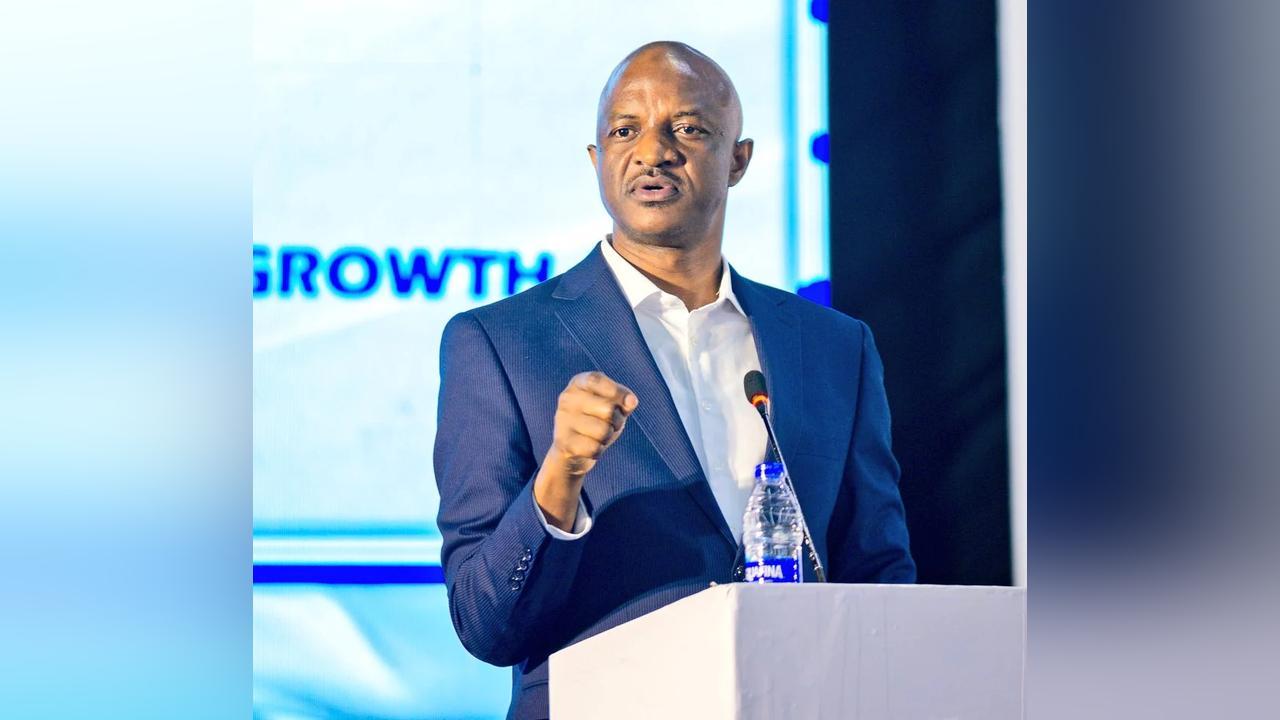
Africa-Press – Uganda. Uganda’s economy has posted a resilient performance over the past year, defying public skepticism and maintaining strong macroeconomic fundamentals, according to the Permanent Secretary and Secretary to the Treasury (PSST), Ramathan Ggoobi.
Appearing on NBS TV’s MorningBreeze on Wednesday, Ggoobi said the country had enjoyed a “comfortable year” economically, contrary to widespread perceptions of strain.
“We are very happy that contrary to what people thought, we have had a comfortable year in terms of economic fundamentals,” he said.
Dr. Ggoobi attributed the positive outlook to stable inflation, a strengthening Uganda shilling, and sustained investor confidence. He revealed that foreign direct investment (FDI) inflows stood at USD 3.5 billion (about Shs 13.3 trillion), while portfolio investments reached USD 1.7 billion (about Shs 6.5 trillion), underscoring Uganda’s attractiveness as an investment destination even in an election year.
The PSST also pointed to strong inflows from services and diaspora support. Tourism receipts amounted to USD 1.8 billion (about Shs 6.8 trillion), while remittances contributed USD 1.5 billion (about Shs 5.7 trillion) to the economy, providing crucial foreign exchange and supporting household incomes.
As a result, Uganda recorded a surplus balance of payments of $2.37 billion (about Shs9.0 trillion), the highest in the last 15 years.
“This is an election year, yet we have enjoyed a surplus balance of payments,” Ggoobi noted.
“The main source of this strength is the financial account,” he added, explaining that sustained capital inflows had given the economy a strong vote of confidence from both domestic and international investors.
On the external trade front, goobi said export receipts covering both merchandise and services amounted to $14.4 billion (about Shs54.7 trillion) by the end of September 2025.
He credited this performance to deliberate efforts to diversify exports beyond traditional commodities such as coffee.
“Export diversification has paid off,” he said, noting that 34 new products have been added to Uganda’s export basket over the last 15 years, helping to reduce vulnerability to price shocks in single commodities.
Addressing concerns about election-related spending and its potential inflationary impact, the PSST dismissed fears of economic destabilisation.
He explained that the money circulating during the election season was already part of the monetary base and therefore not expected to fuel excessive inflation.
“The money is already in the system and is chasing available goods,” Dr Ggoobi said, adding that Uganda has also strengthened its institutional capacity to prevent illicit financial flows from entering the economy.
On the oil and gas sector, Ggoobi confirmed that Uganda is on track to produce its first oil in the second half of the 2026 calendar year.
He emphasised that anticipated oil revenues have already been programmed within government plans and will be directed towards infrastructure development to support long-term economic growth.
Turning to national aviation, the PSST acknowledged challenges facing Uganda Airlines but assured the public that reforms are underway. He said a management turnaround process has begun to improve efficiency and service delivery, including the recruitment of a new chief executive officer.
Looking ahead, Ggoobi said the FY 2026/27 national budget and the upcoming National Development Plan IV (NDP IV) will prioritise ATMS and key enablers of growth, including roads, electricity, railways, industrial parks, and enhanced domestic revenue mobilisation.
“Our focus is on strengthening the foundations that support production, exports and sustainable growth,” he said, expressing optimism that Uganda’s economic momentum will be sustained in the coming years.