Africa-Press – Uganda. I had an odd conversation with a friend early this week. He had a gig about 40 kilometres out of town, and had decided he was going to drive there. “How do you plan to deal with the roadblocks?” I asked. “We shall see. I will talk to the officers and explain. I really need the money,” he responded.
Now, there have been all sorts of stories about the misconduct of security personnel as they go about enforcing the lockdown. Some of these incidents have even resulted in death. I didn’t go into explaining the irrationality of our security people because I knew that he had probably weighed all these; and decided that to go out was what was expected of him as a husband and father.
I went out for a walk, just before I sat to write this week’s column. On the trail, I listened to a podcast, ‘The Banality of Evil’. Among other things, it points out how the history of government was that those who joined politics did so because they had built strong economic bases that needed politics to get expanded and protected. In essence, if you were poor, you didn’t engage in politics because you had nothing to protect.
This, of course, is counter to contemporary (African) practice where the wealthy largely distance themselves from politics; and those who dabble in the game do so to answer economic questions. Why put in the work to build an enterprise when you could just bulldoze your way into political office and make a lot more in a short while than most business people ever could in forever?
As I walked, it struck me how hard it is to tell that Kampala is supposed to be under a lockdown. This round is a far cry from the 2020 lockdown, when if you stepped out onto any of the main roads, you were one of only a few people who had dared to. I’ve seen fewer cars and pedestrians on the roads on ordinary days. Is it likely that everyone who should be driving, and those who can – because this is Uganda – are out and about?
In some way, it was gratifying to see roadside food stalls selling fried chips, Rolex and Muchomo, open. So, it is clear that from the last lockdown, the ‘bantu ba wansi’ [masses] learnt everything and have forgotten nothing. The same cannot be said of those supposed to be responsible for them. You don’t know whether to chastise them for not knowing what risk they are putting themselves and their people into, because you understand why they are out there – risking it all.
Those women and young men aren’t heroes, neither are they fools. They choose between staying home and going hungry or going out and facing the unknown – and likelihood of paying the ultimate price while at it. In the grand scheme of things, they have little to nothing of economic value to protect or expand – which explains why they don’t engage in politics beyond the periodic 5-year election cycle. It is also why they are easy to inconvenience and dismiss at every policy junction.
When foreign dignitaries visit, we close roads and force them to walk or pay transport fares way beyond their means. When security decides to carry out abrupt swoops, it is they who are most likely to be arrested. When public transport and boda bodas are banned, it is they who are most likely to die from failing to access health centres. It is their businesses that are mostly likely to close, for whatever reason. I could go on but I don’t think I need to.
What’s worse – or is it scary – is that majority of us, reader and writer, live just above the drop zone. All it takes is one decision and we are them, living in red. Which is why we need to care and be a lot more empathetic with each other; for each other. It is what this moment demands.
Right now, nothing is too little. Whether it’s government’s Shs100,000 for vulnerable groups; or whatever relief package for medical workers that my friends, Dr John Mark Bwanika of Rocket Health, and Esther Kalenzi of the 40-40 Foundation are putting together; or whoever your facebook and WhatsApp groups are giving towards – do it, if you aren’t already.
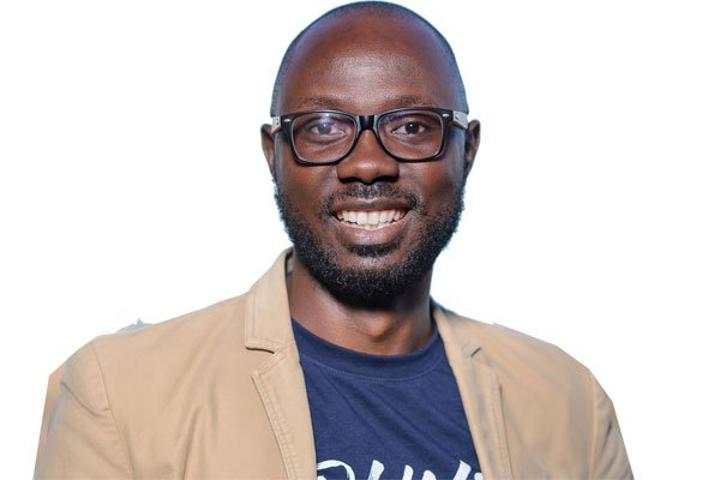
Mr Rukwengye is the founder, Boundless Minds. [email protected]