Africa-Press – Uganda. Uganda’s Vision 2040 provides the long-term framework to transform the nation from a peasant-based society to a modern, prosperous first-world country. Central to this transformation is the Tenfold Growth Strategy, a specific economic government blueprint designed to expand the economy from approximately USD 50 billion in 2024 to USD 500 billion by 2040.
As part of efforts to implement Uganda’s National Development Plan IV (NDP IV) and Vision 2040, the Halal Assurance Institute Uganda (HAIU) is strengthening the country’s Halal quality infrastructure to support export-led industrial production through the provision of export-led Halal shipment certification, which is aligned with government priorities on export diversification, industrial value addition, and enhancement of Uganda’s competitiveness in the space of international trade, especially within high-growth Halal consumer markets in the United Arab Emirates (UAE), North Africa, and wider GCC markets. This has a strong economic multiplier effect to positively contribute to foreign exchange earnings, job creation in agro-processing value chains, and the positioning of Uganda as a reliable source of compliant Halal-certified products.
Globally, the halal food and beverage market is worth roughly USD 2.7–2.9 trillion as of November 2025, and forecasts suggest it could double over the next decade. In the Middle East and North Africa alone, this market is about USD 250 billion now and is expected to exceed USD 380 billion by 2030—underscoring huge demand and export potential for countries meeting recognized Halal standards.
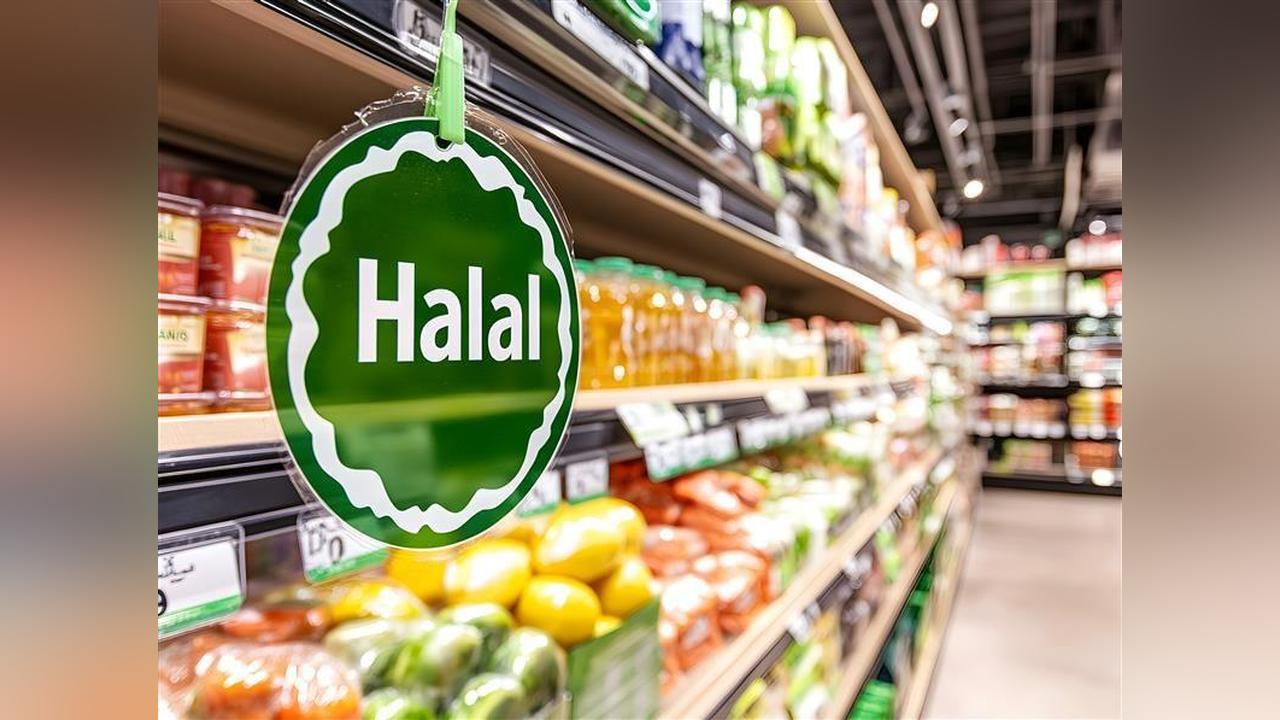
Halal Assurance Institute is facilitating accredited halal certification for foods and beverages targeting the United Arab Emirates (UAE), North Africa, and wider GCC markets, in alignment with Gulf regulatory requirements and internationally recognized halal standards. This intervention directly supports government priorities on trade facilitation, market access, and private-sector competitiveness.
This enables Ugandan exporters—particularly in key product categories expected to be Halal certified; these include the ranchers (beef, lamb, goat meat), dairy, poultry products, fruits & beverages, processed foods like coffee, tea, cocoa, cereals, and other value-added agricultural commodities. To unlock this full potential, Uganda requires strong food control systems aligned with internationally credible Halal Certification services trusted in product destination markets.
Expected Outcomes:
Enhanced export competitiveness and foreign exchange earnings
Improved acceptance of Ugandan shipments in UAE ports of entry.
Strengthened confidence among international offtakers and regulators
Strengthens National Quality and Standards Infrastructure