Africa-Press – Uganda. African exporters have regained access to the duty-free U.S. market after the United States officially extended the African Growth and Opportunity Act (AGOA), reopening one of the most significant trade corridors between Washington and Sub-Saharan African countries.
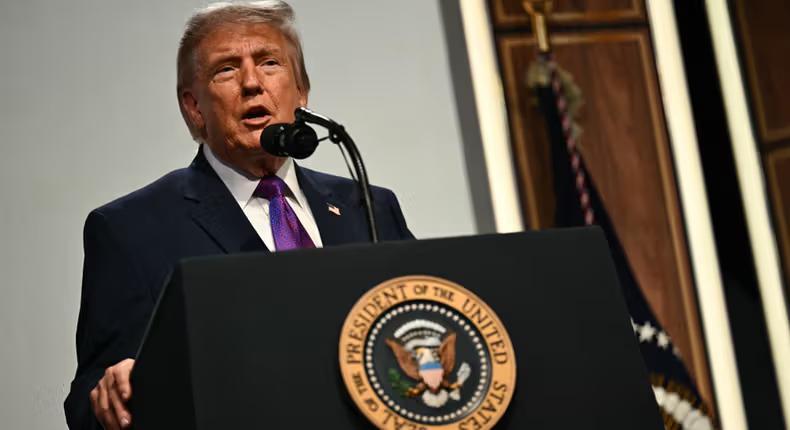
The extension was announced through a presidential proclamation signed by the U.S. President, implementing provisions of the Consolidated Appropriations Act of 2026, which renewed AGOA and extended its trade benefits until December 31, 2026.
The program had temporarily lapsed at the end of September 2025 due to the failure of the U.S. Congress to pass a new extension, causing widespread concern and uncertainty among African exporters who rely on the U.S. market for their exports.
In February 2026, the law was reinstated after the President signed the Consolidated Appropriations Act, retroactively extending the program until the end of 2026, before the latest presidential proclamation was issued on May 19 to officially activate the extension, update U.S. tariff schedules, and reinstate Gabon to the list of beneficiary countries.
AGOA is one of the most important trade frameworks governing economic relations between the United States and Sub-Saharan African countries since its launch in 2000, granting eligible countries the right to export thousands of goods to the U.S. market duty-free, including textiles, agricultural products, automotive components, and light industrial goods.
The U.S. decision also reinstated Gabon to the list of beneficiary countries after it was excluded from the program in 2023 due to concerns related to governance and political and economic eligibility criteria.
U.S. authorities confirmed that Gabon had made sufficient progress in governance and compliance issues, allowing for its re-inclusion among the countries eligible for AGOA benefits.
The new extension provides a temporary lifeline for African economies that heavily depend on exports to the United States, particularly in labor-intensive sectors such as apparel and agricultural manufacturing, where tariff exemptions are a crucial element in enhancing the competitiveness of African products in the U.S. market.
Despite the African welcome for the program’s return, the limited extension period until the end of 2026 highlights the ongoing uncertainty regarding the long-term future of AGOA, given the repeated need for renewal since its inception over two decades ago.
Efforts for a long-term extension face increasing challenges within Washington, with rising discussions concerning U.S. trade policy priorities, protection of domestic industries, and reshaping global supply chains.
Economic analysts believe that the reactivation of AGOA comes at a critical time for African countries seeking to diversify their economies, enhance manufacturing, and increase their integration into global value chains. However, they also warned that excessive reliance on short-term trade arrangements makes African economies vulnerable to fluctuations in U.S. policies.
They pointed out that this reality underscores the need to accelerate economic integration within the continent and support intra-African trade within the framework of the African Continental Free Trade Area, aiming to reduce dependence on external trade privileges and single markets.