Africa-Press – Uganda. A report released this week by the World Bank indicates that poverty rates are highest in eastern and northern regions at 42 percent and 40 percent, respectively. The report shows that these rates substantially varied from those of the western region (27 percent) and central (15 percent), and were also above the national average rate of 30 percent.
Experts at World Bank attributed high levels of poverty in the eastern and northern regions to limited access to infrastructures such as electricity, erratic rainfall (drought), low levels of education and small markets. They also pointed to the multiple shocks that hit the country in the last decade such as drought, Covid-19, Ebola and the Ukraine-Russia war.
Whereas some regions seem better off compared to others, Uganda overall fell short of government’s target of reducing the poverty rate to 14 percent by 2020.
To reduce Uganda’s poverty levels, the experts recommended focusing on financial inclusion and moving people to service-based jobs in urban areas. However, focusing on improving agriculture – Uganda’s competitive advantage – can move us faster in our journey to reduce poverty.
According to FAO, agriculture contributes more than 70 percent of Uganda’s export earnings and provides the bulk of the raw materials for most of the industries that are predominantly agro-based. Meaning that adopting modern methods of agriculture such as irrigation to improve production, processing, value addition and exports will improve the sector.
We have in the past had anti-poverty initiatives interventions such as Entandikwa Credit Scheme, Poverty Eradication Action Plan; Plan for Modernisation of Agriculture, Bona Bagaggawale, aka Prosperity for All, National Agricultural Advisory Services (Naads), Operation Wealth Creation (OWC), Youth Livelihood Programme, Presidential Initiative on Wealth and Job Creation, aka Emyooga, and now the Parish Development Model. Factors such as land conflicts and corruption have been big impediments and the earlier we face them, the better.
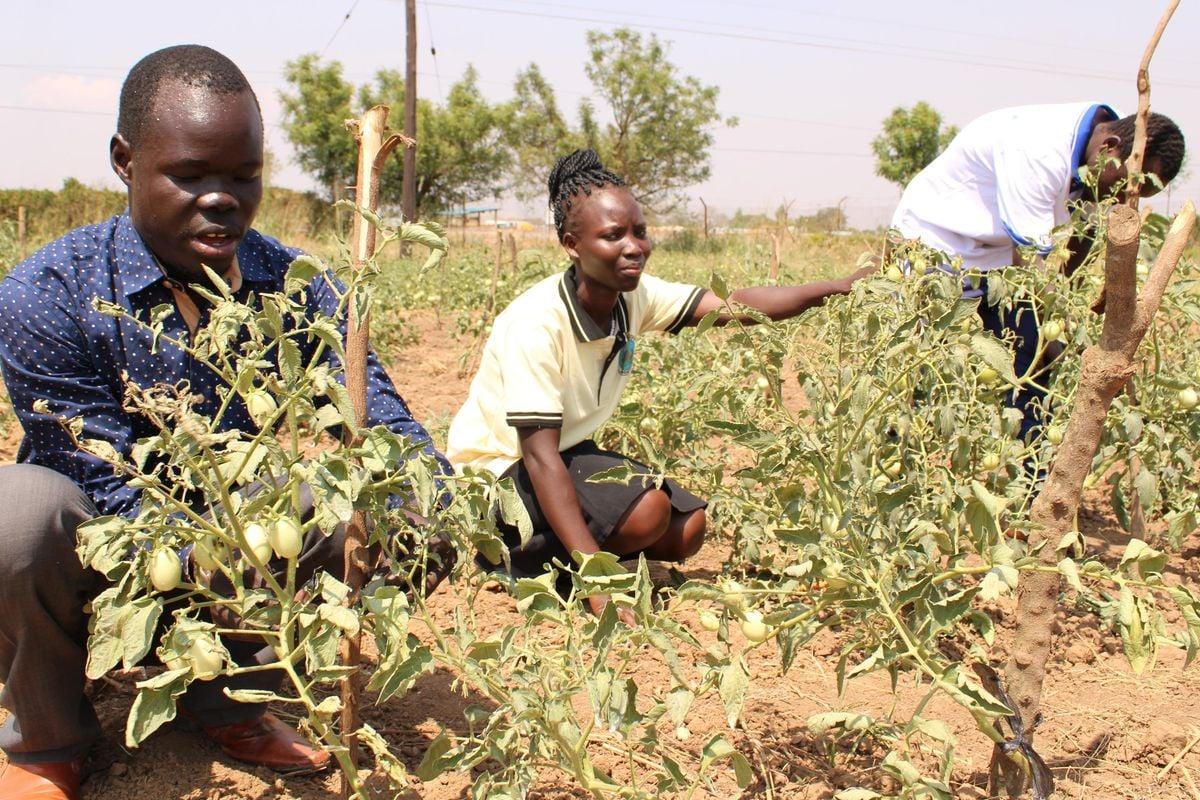
Government also need to make a deliberate effort to move the average Ugandan farmer from depending on rain to adopting modern methods such as irrigation. Authorities need to introduce incentives such as tax holidays for some farming tools and companies importing them.
And finally, we need to find more market for Ugandan goods. We are already considered a food basket in the region, however, there is potential to tap into market beyond East Africa. This means that farmers have to improve the quality of their produce and the handling process.
Whereas agriculture is considered to have a low growth potential, service-based jobs in urban areas cannot at this point employ everyone. Our best bet would be to reinvigorate our agriculture sector.
For More News And Analysis About Uganda Follow Africa-Press