Africa-Press – Uganda. We are known for our hospitality. Do you recall what Rob Walker, the Olympics commentator, said about Uganda when we won gold in Tokyo just recently?
The images of the Afghan women, men and children clinging on a moving aircraft at the airport in Kabul following the Taliban takeover of the country were horrifying.
One did not need expert explanations of what people were freeing from. It was all there to see. No one can risk their lives to that extent – the extent of clinging onto a moving plane – if they are just acting on mere illusion, none.
The militants’ effective control of Afghanistan caused not hypothetical but real fear among the local population. Before they were disposed of from power following the United States-led military intervention after 9/11, the Taliban instituted horrendous sharia law.
Their rule was characterised by no respect for people’s basic human rights. Women were banned from public and civil spaces and girls not allowed in school.
Suspected offenders of the law faced the wrath of the militants including being stoned to death.
The Taliban also had a strong hate to whoever they considered collaborator with the ‘enemy’ particularly the Americans. For 20 years now, many Afghans have worked with the Americans and other foreign nationals and agencies. So, the Afghans, knowing a history of Taliban rule, did not want to second guess the guys who were back in control of the country.
If clinging onto a moving aircraft would lead them to safety, they were ready to risk it all: The mind was that ‘If I die in the process, so be it, afterall to stay may tantamount to death as well’.
The announcement by the authorities in the Ugandan government that on the request of Washington D.C, Kampala had accepted to host, temporarily, Afghan refugees should therefore be welcomed by everyone who cares about humanity.
The government stated, and all of us Ugandans ought to agree, that this is not time to discard our long-standing history and tradition of hosting refugees and other persons in need. We, Ugandans, are known for our hospitality (do you recall what Rob Walker, the Olympics commentator, said of Uganda when we won gold in Tokyo just recently?).
With over 1.4 million registered (many more unregistered) refugees, Uganda is currently the biggest refugee host country in Africa. The country is known for her friendliest refugee policies. We have always received people in need from Somalia, the Democratic Republic of Congo, Burundi, Rwanda, South Sudan, South Africa, Italy, name it. Taking up the case of strangers is in our DNA. This is not time therefore to put a blind eye on the humanitarian catastrophe that is unfolding in Afghanistan.
Previous concerns about Uganda hosting refugees have majorly been on the cost of hosting them and the impact on the environment. With the Afghan refugees, however, the U.S. government is going to foot the bills. Hosting 2000 people for at least three months in hotels, if you want, has a big multiplier effect. It means increased demand for food, water, transport services among others. These items will not be shipped from New York or Cape Town, unless we Ugandans choose so. It is the farmers and traders in Kampala, Entebbe, Masaka, Tororo going to supply the hotels with groceries. That means incomes for the local population.
It is also important to note that by hosting our Afghan brothers and siters, global media is going to focus on Uganda. International channels such as the BBC, CNN, Washington Post, Aljazeera, name it, will put their cameras and pens on Uganda.
While they seek to cover Uganda’s handling of the situation and perhaps the politics around it, it is an opportunity to showcase what Uganda has got to offer to the world: Tourism, athletics, the way of life of Ugandans and stories you can only find in Uganda.
This is the time to show the world that we do not only receive and care for strangers but we have budding philanthropists and social entrepreneurs improving access to education, health and empowering underserved populations. Ugandans, can do it!
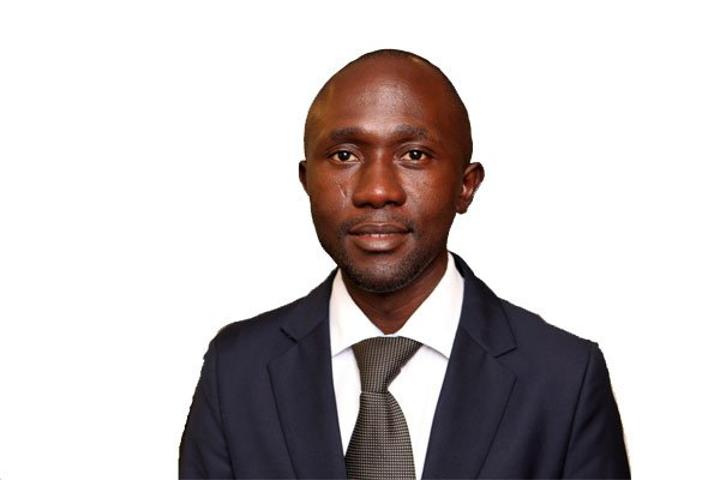
Mr Brian Mutebi is a communications consultant and women’s rights campaigner. [email protected]