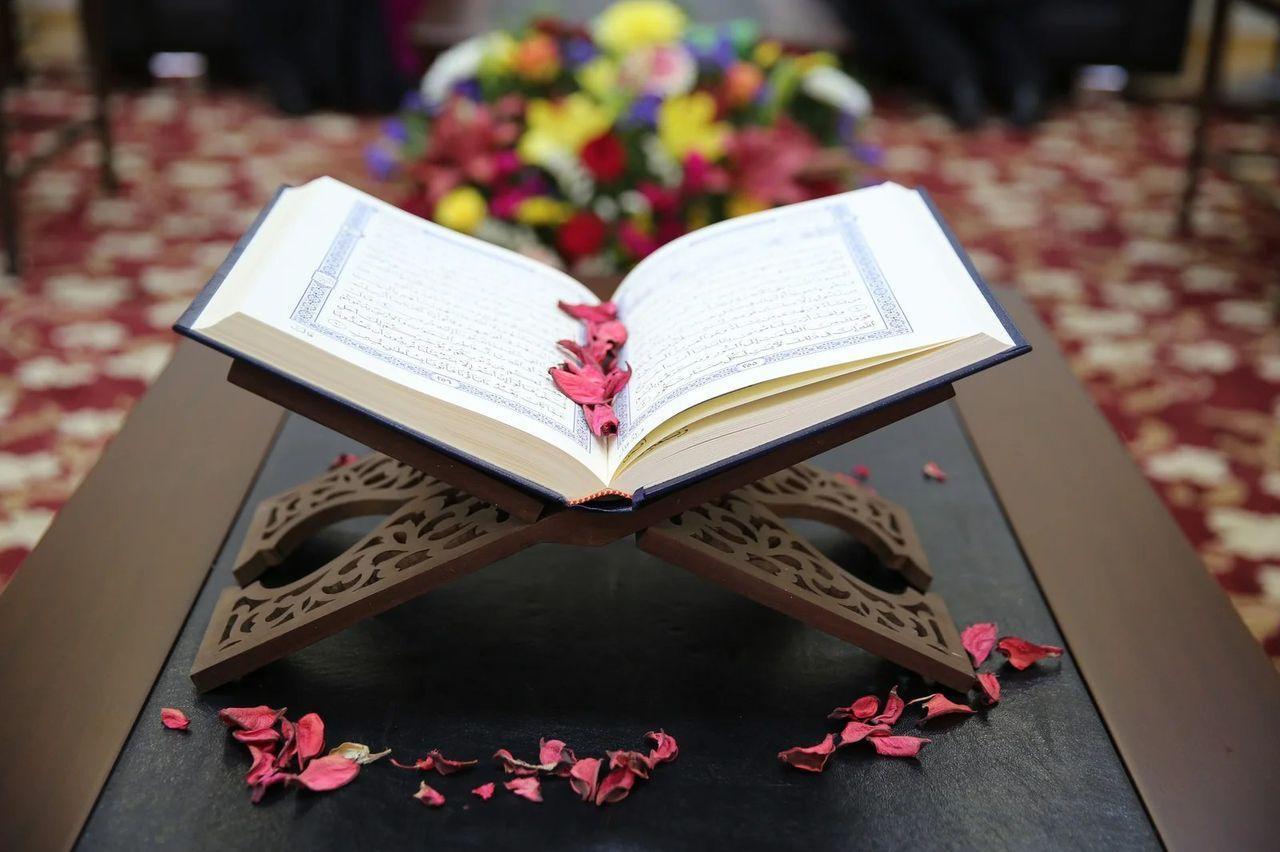
Africa-Press – Uganda. As the holy month of Ramadan continues, Muslim scholars and community leaders are urging believers to strengthen their connection with the Quran, a bond that defines the spiritual essence of the fasting period.
In Islamic tradition, Ramadan is known as the “Month of the Quran” because it was during this time that the holy book was first revealed to Prophet Muhammad(PBUH)
Religious teachings hold that the Quran was sent down during Laylat al-Qadr, the Night of Decree, one of the most sacred nights in Ramadan.
Islamic tradition also recounts that the Angel Jibreel reviewed the entire Quran annually with the Prophet during Ramadan, establishing a prophetic practice that Muslims strive to emulate through increased recitation and reflection.
Clerics explain that reciting the Quran during Ramadan carries unique spiritual significance. Teachings attributed to the Prophet state that both fasting and the Quran will intercede for believers on the Day of Judgment, with the Quran testifying on behalf of those who recited it faithfully.
Beyond its historical significance, the month is believed to amplify spiritual rewards. Islamic teachings state that each letter recited earns ten rewards, while voluntary acts performed during Ramadan may be rewarded like obligatory ones and multiplied many times over.
Those who struggle to read are promised double reward for both effort and recitation while regular reading is believed to bring tranquility, invite angels into the home and drive away negativity.
Religious leaders advise worshippers to adopt practical reading plans to maintain consistency throughout the month. One widely recommended approach is the “four-page rule,” where believers read four pages of the Quran after each obligatory prayer.
This method enables completion of the entire text approximately 600 pages by the end of Ramadan.
Scholars also encourage understanding alongside recitation, suggesting that believers read translations, listen to audio recitations and use brief moments during daily routines to engage more deeply with the scripture.
The Quran underscores Ramadan’s importance in Surah Al-Baqarah, describing it as the month in which the scripture was revealed as guidance and clear proof for humanity.
As Muslims observe the fasting period, religious leaders emphasize that engaging deeply with the Quran during Ramadan serves not only as a ritual observance but also as a spiritual renewal capable of shaping moral conduct and faith long after the month ends.