By Faridah N Kulumba
Africa-Press – Uganda. The government of Uganda and Argentina Initiated Plans to build the first nuclear science centre in the Eastern region of Uganda. This followed the Ugandan Ministry of Energy and Mineral Development signing a Memorandum of Understanding (MOU) with an Argentine nuclear firm INVAP-SE to undertake site evaluation and develop designs for the Centre for Nuclear Science and Technology, which will be constructed at Soroti University. The signing comes just over 17 months after INVAP-SE signed an MoU with Uganda’s government during the Nuclear Business Platform conference that took place in the pearl of Africa.
The genesis
In April 2023, the Ugandan Cabinet adopted the Energy Policy for Uganda, 2023. The policy envisions the development of 52,481 MW of power to meet future demand, with 24,000 MW coming from nuclear energy. INVAP-SE has now embarked on the process of undertaking site evaluation at Soroti University, where 45 acres of land have been allocated, and come up with technical studies and designs for the Centre for Nuclear Science and Technology.
The aim
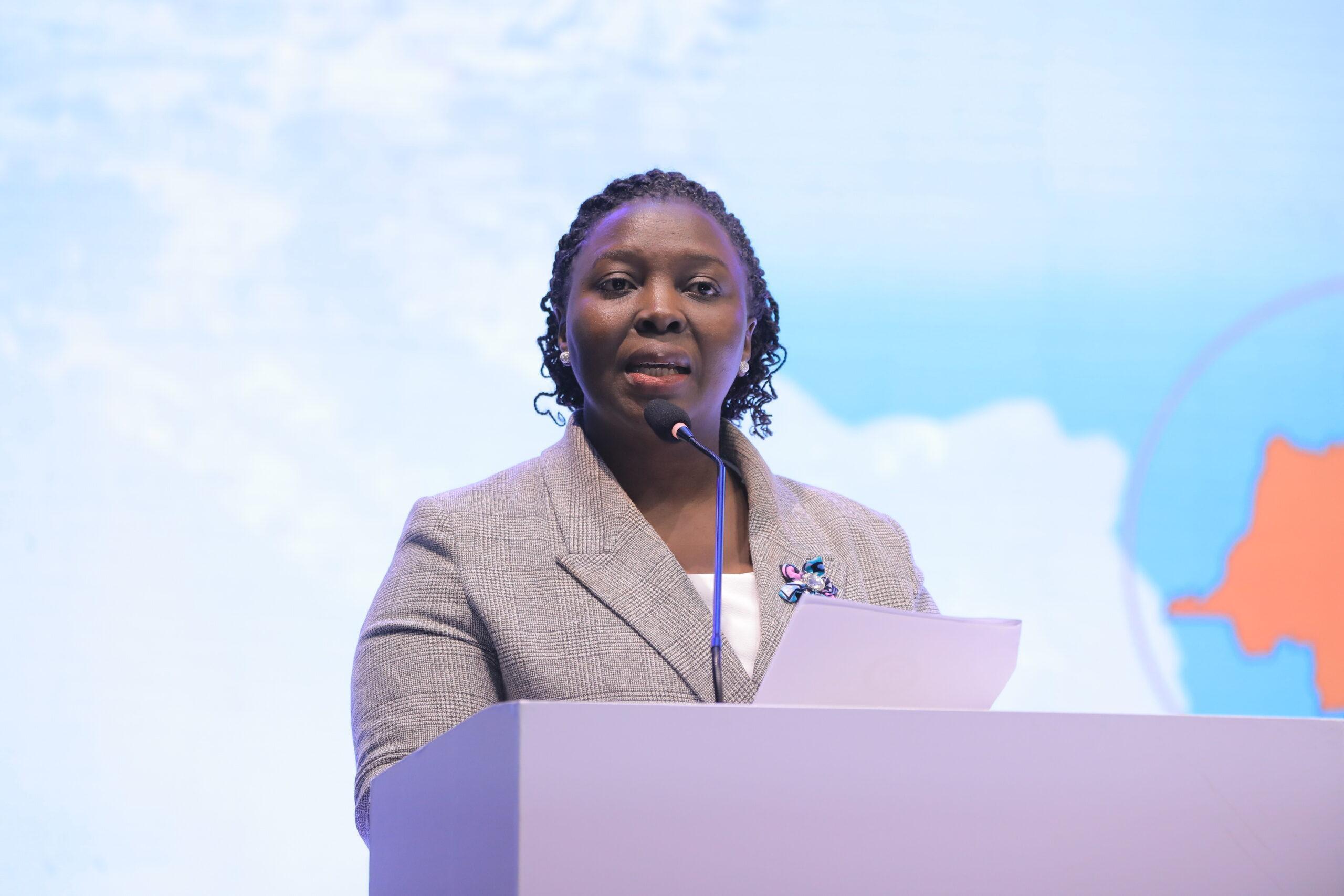
According to a statement from the country’s Ministry of Energy, the Centre will host a nuclear research reactor for education and training. The centre will host Uganda’s first nuclear research reactor, which will be used for the purpose of education, training, production of radioisotopes and research in the nuclear industry. The Uganda Ministry of Energy and Mineral Development Permanent Secretary Irene Batebe clarified that the signing of the contract with the Argentine firm INVAP-SE was crucial to the energy security of Uganda.” According to the authorities from Uganda’s Ministry of Energy, the country intends to generate 52,000MW of electricity by 2040 – an ambitious amount that is not matched by the available in-country resources – with nuclear contributing 24,000MW of that amount.
The current state of energy
Uganda currently generates about 1,300MW of electricity, although that amount is expected to shoot up when the 600MW Karuma hydropower project is commissioned at some point in the last quarter of this calendar year. Just over 50 percent of Ugandans have access to electricity, many of whom live in urban areas. The access rate in the rural areas drops to less than 20 percent. The East African country is optimistic that nuclear energy can be the game changer for the country’s economy, and drag down the price that consumers pay for electricity.
Plans
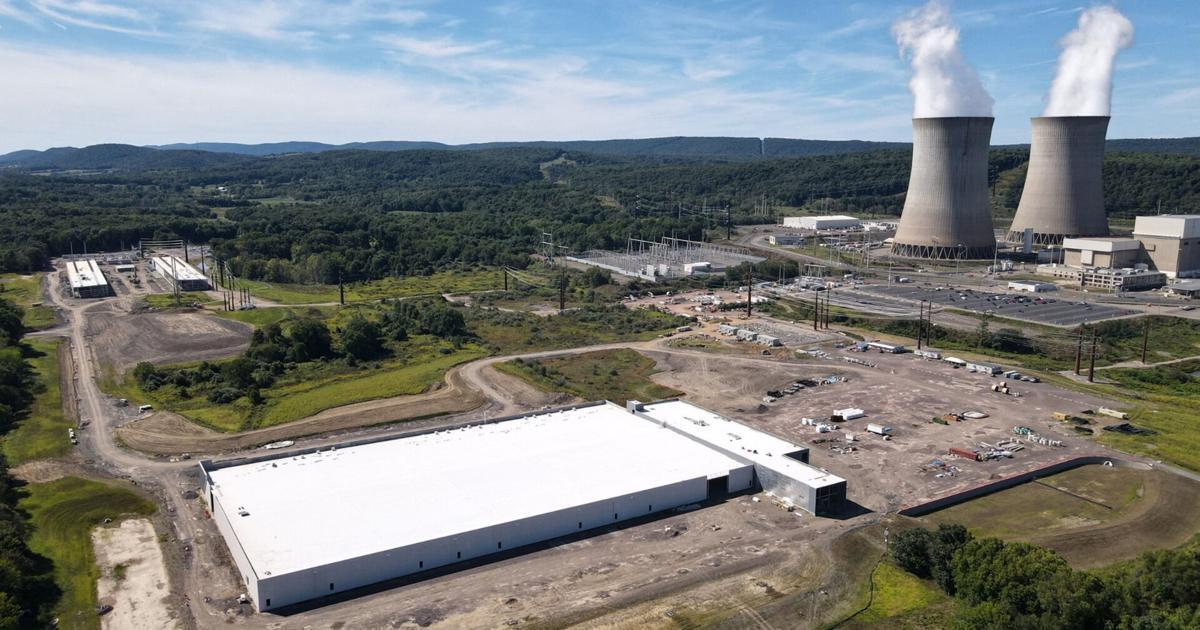
The government of Uganda plans to put up a 1,000MW large nuclear reactor – the first of two – by 2031. The government has already chosen a site for the reactor, a 30 square-kilometre piece of land in the Buyende district. Recently Uganda held a bilateral meeting with South Korea, to pave ways toward energy diversification and sustainable development. The meeting took place in Seoul ahead of the Korea-Africa Summit. After the discussions, Uganda’s Vice President Jessica Alupo who represented her country, announced that the two nations initiated plans to construct a Nuclear Development Plant in eastern Uganda. The president of Uganda Yoweri Kaguta Museveni went ahead to reached out to the South Korean counterpart Yoon Suk Yeol requesting for officials from his country to visit Uganda for further engagement on this nuclear development initiative. At the Nuclear Business Platform conference in Munyonyo last year, South Korea’s Hydro and Nuclear Power Company signed a memorandum of understanding with Uganda’s government for the development of a nuclear power plant. However, no contract to a vendor has been awarded yet. Vendors from Russia and China are still hopeful that Uganda will choose them for the construction of the reactors.
Project implementation
Uganda’s government is also in the process of amending the Atomic Energy Act of 2008, and introducing a new legislation that broadens the space for the operation of nuclear energy. The Argentine firm will be responsible for ensuring that Soroti University meets all the technical and safety requirements for the nuclear centre. This will be followed by the technical designs for the centre.
Why Argentine’s INVAP-SE
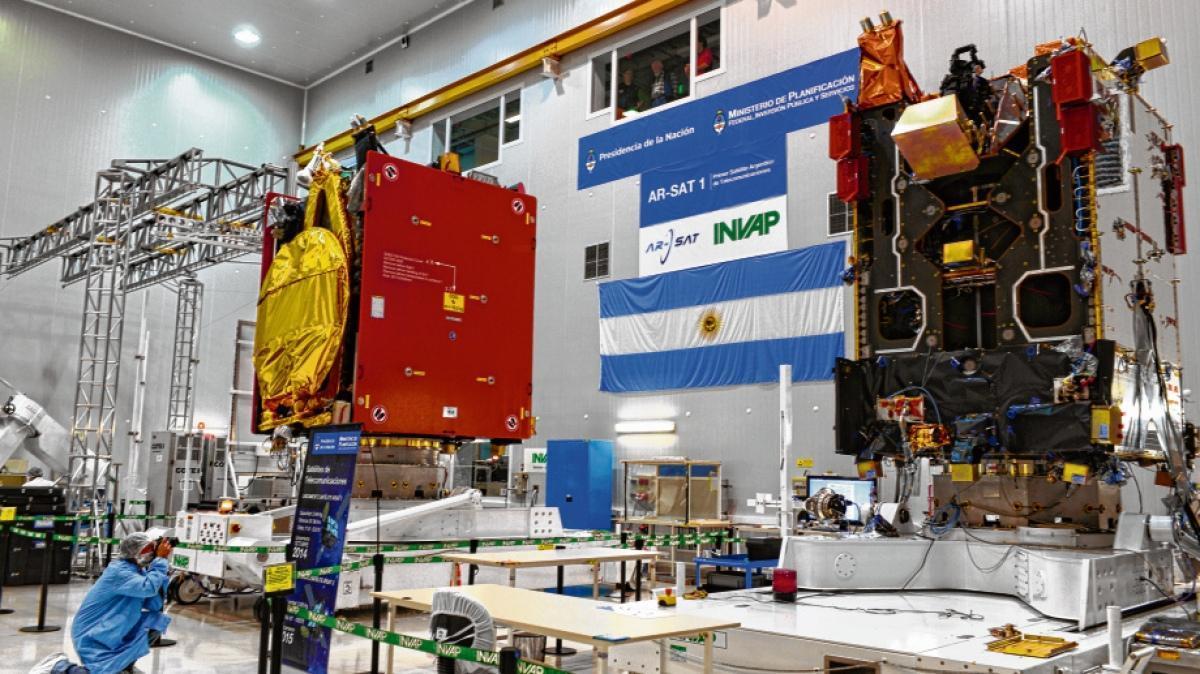
The project is expected to be funded by the government of Argentina, leading to more collaborations between the two countries, especially with regard to regulation. Uganda will face the challenge of regulating the ever-changing nuclear technologies, although some officials within the Ministry of Energy have argued before that they are not ready to take up any first-of-its-kind nuclear reactor. According to authorities, Argentina has a stellar track record of putting up safe nuclear technologies, and the collaboration should guide Uganda on this unchartered territory. Pablo Maximo Abbate, the Vice President of INVAP-SE, assured Uganda that the company is going to commit to the best team available for the project
About INVAP-SE
INVAP is known worldwide as a leading company in technological projects actively supporting Argentine development. With more than 40 years of experience, INVAP develops high-end technological systems in the areas of Nuclear; Space; Defense, Security & Environment; and Medical Systems The firm specializes in designing and building complex technological projects in the domestic market and 30 years worldwide. INVAP-SE is devoted to technological development in various fields of expertise including industry, applied research, and science.
For More News And Analysis About Uganda Follow Africa-Press