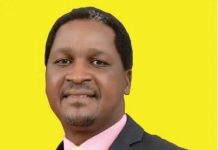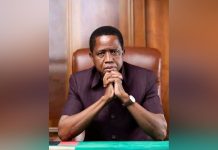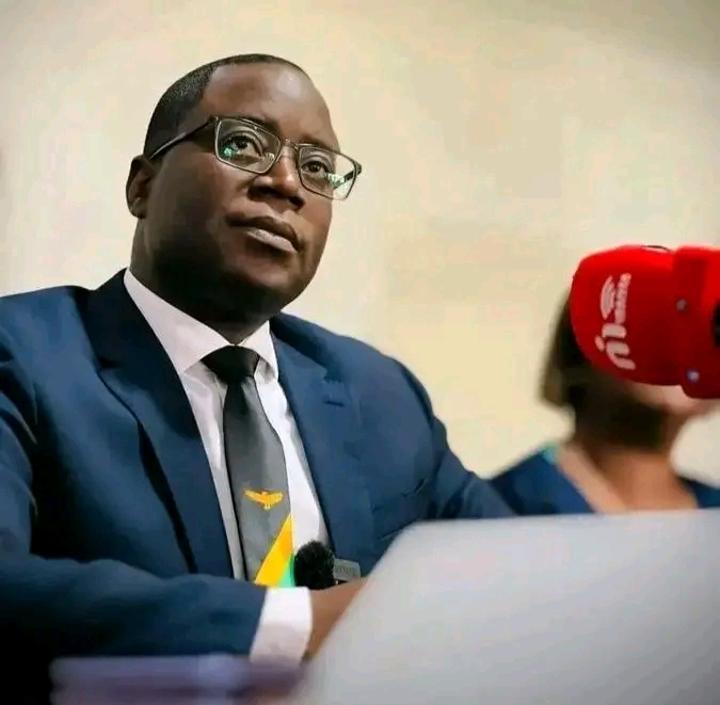
Africa-Press – Zambia. Makebi Zulu appeared on Prime TV last night and used the hour to construct a reverent portrait of late President Edgar Chagwa Chagwa Lungu. The interview leaned heavily on memory, faith language, and moral framing. Lungu was presented as a caring steward, a defender of rights, a pragmatic manager of crises, and a leader whose legacy deserved protection.
The tone was affectionate. The message was clear. Zambia, viewers were told, lost a servant of the people whose record stands in contrast to the present.
This framing deserves scrutiny, not out of disrespect to the dead, but out of respect for history. Public memory does not begin at death. It rests on records. In August 2021, Lungu lost the presidency by the widest margin since Zambia returned to multiparty politics. Hakainde Sammy Hichilema won with about 59 percent of the vote to Lungu’s 38 percent.
The loss cut across provinces and urban centres. It was decisive. Voters did not remove a saint. They rejected an administration.
Makebi cited the pandemic period to argue competence and care. He said Lungu “refused to close the borders” and chose vigilance to protect trade. This is broadly accurate. Zambia kept borders open for cargo and regional transit. But the same period was marked by public anxiety over transparency, procurement, and enforcement. Decisions taken during a crisis are not judged only by intent. They are judged by trust.
By 2021, that trust had eroded.
Makebi also claimed that during a power crisis Lungu “docked a ship in Mozambique” to import electricity, limiting loadshedding to four hours. This claim is harder to verify. Zambia relied on emergency power purchases and regional interconnections at various times, including short-term contracts. Public records do not show a clear, documented instance of a power ship being docked specifically to supply Zambia as described. We understand, this is a political metaphor. The broader point is that power shortages persisted through Lungu’s final years and became a political liability.
Voters remembered darkness, not docking.
The interview went further. Makebi said Lungu, “even in his death,” wanted rights respected and costs lowered. He linked delayed burial to “stubbornness of the government” and alleged a South African poisoning inquest was a tactic to gain access to the body. These are serious claims. What is verifiable is this: the burial has been delayed for months amid legal and diplomatic processes. What remains unproven is the allegation of a state plot to seize the body. Assertions without evidence harden emotion, not truth.
What stood out most was the sanctification of legacy. Makebi spoke of Lungu as a Christian servant and cast current leaders as violators of faith and unity. Religion featured prominently. However, the record of Lungu’s tenure includes worst corruption, televised tribal campaigns by Chishimba Kambwili, police killings, shuttered media houses, selective enforcement of the Public Order Act, and deep political polarisation.
Courts and civil society documented these issues while Lungu was alive. Death does not make someone a saint.
Grief politics works by smoothing edges. It invites the public to remember only warmth and intention, not outcomes. It is powerful. It is also risky. Zambia’s electorate already adjudicated Lungu’s record while he lived. They did so at the ballot box. To suggest that a leader so rejected represents an uncontested ideal requires more than sentiment.
Makebi also framed Lungu and his base as a Christian reformers wronged by power. But forgiveness, a core Christian ethic he invoked, was absent from his language. The conflict with President Hichilema is personalised. The subtext has always been clear: defeat in 2021 remains the central grievance. This grievance now fuels a politics of remembrance rather than a politics of renewal.
Opposition unity featured briefly. Makebi acknowledged fragmentation and hinted at a secret vehicle for 2026. That admission aligns with what Fred M’membe conceded earlier this week on the same network: ego and presidential ambition have weakened the opposition. What Makebi did not address is capacity.
Moral clarity does not replace organisation. Reverence does not build structures. Elections are won by coalitions that reach beyond studios and personalised anger against one man. The major goal of the current opposition is unseating Hichilema. This is however unachievable without alternative economic plans.
Whatever the case, Zambia can honour the dead without rewriting the past. We can mourn without myth-making. The country’s politics will not be rescued by canonising a record voters already judged. The harder task is forward-looking credibility: clear policy, verifiable claims, and a message that speaks to lived experience rather than nostalgia.
Grief may mobilise emotion. It does not substitute for consent.
© The People’s Brief | Ollus R. Ndomu
For More News And Analysis About Zambia Follow Africa-Press