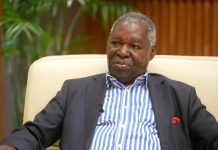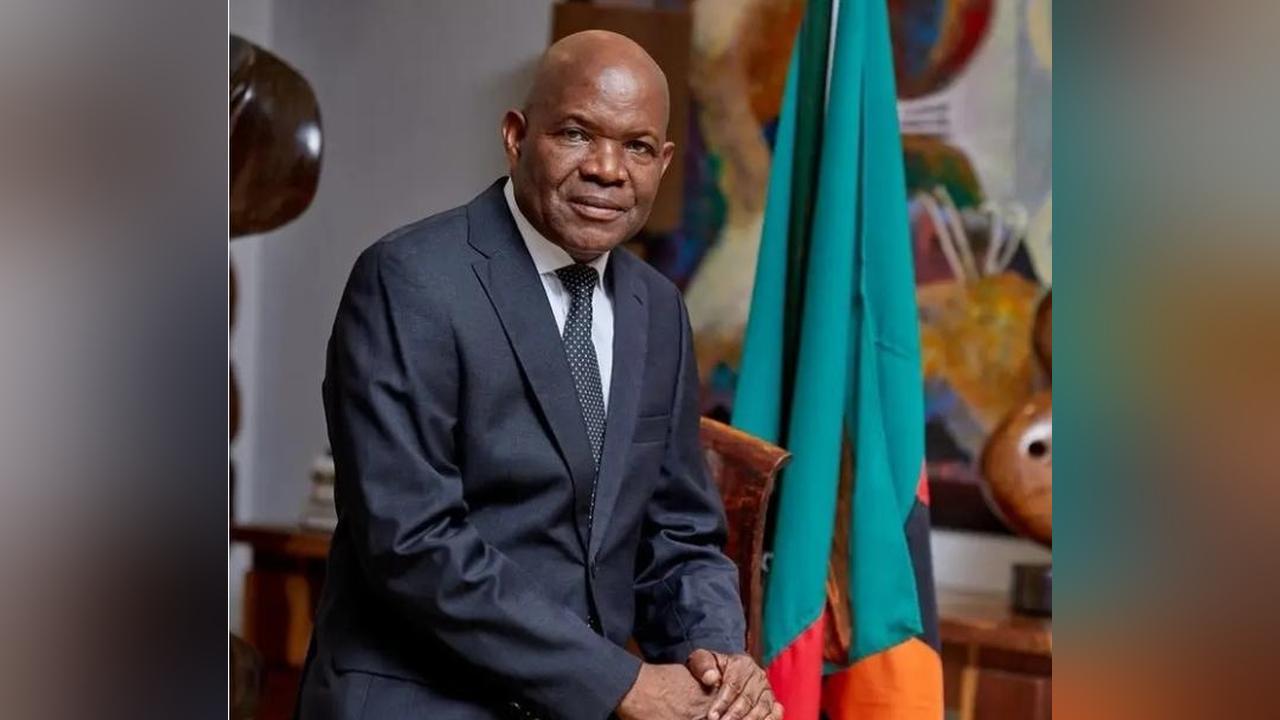
Africa-Press – Zambia. [SABC News] – Dr. M’membe, thank you for joining us. Let’s begin with the basics. Bill 7 has sparked significant controversy. Supporters argue that the reforms are necessary and legally grounded, while detractors—like yourself—say it concentrates excessive power in the executive. From your perspective, what is Bill 7 meant to do?
[Dr. Fred M’membe] – The biggest issue with Bill 7 isn’t necessarily its contents; it’s the process. The Constitutional Court ruled a few months ago that the previous process was unlawful and needed to restart. However, restarting it would mean the changes could only be completed after August next year.
The government wants to amend the Constitution before the 2026 elections. If they wait, they’ll miss that window. Some provisions appear designed to guarantee that President Hichilema remains in power. There are fears that without these changes, he could face challenges in winning re-election. To meet his timeline, the government is taking shortcuts and bypassing constitutional requirements, which is where the real problem lies.
[SABC News] – How did the Constitutional Court’s order come about, and what exactly is flawed in the process so far?
[Dr. Fred M’membe] – To amend the Constitution, public consultation is required. You can’t simply go to Parliament and say, “We have the numbers—let’s change the Constitution.” The Constitution itself mandates public engagement.
President Hichilema’s government failed to do that. The Constitutional Court, therefore, ordered that the public must be consulted. However, instead of following the proper procedure—passing an Act of Parliament to create a legally recognized inquiry—they rushed the process.
Now they realize that what they did still doesn’t meet constitutional standards. They’ve returned to the Constitutional Court, asking it to revisit its own ruling that outlawed Bill 7 and its process. That’s essentially a backdoor appeal. But the Constitutional Court is the final authority; its decisions are binding. Going back to it in this way signals desperation.
[SABC News] – You’ve emphasized the need for national consensus. What would genuine consultation look like, and how long should that process take? Some might argue that Parliament itself represents the people’s will, and therefore, parliamentary debate is a form of consultation.
[Dr. Fred M’membe] – Yes, parliamentarians are elected by the people, but they are not above the Constitution. The Constitution dictates the procedures to be followed, and its interpretation rests not with Parliament, but with the Constitutional Court.
The Court has already ruled that the current process violates several constitutional articles. The government must therefore return to the people and consult them properly. That requires an Act of Parliament to establish the consultation mechanism. Once that process is complete, a draft bill should be presented again to the public before being tabled in Parliament.
None of that has been done.
[SABC News] – Let’s talk about the separation of powers. What constitutional principles are at stake here?
[Dr. Fred M’membe] – The Constitution provides for the separation of powers. Parliament’s role is to legislate, while the judiciary’s role is to adjudicate. Parliament cannot assume both functions. Once laws are enacted, it’s the judiciary that interprets them—especially in constitutional matters, where the Constitutional Court has the final word.
Parliament must respect that authority. It has the monopoly to make laws, but not the power to adjudicate. That monopoly belongs to the judiciary, and in this case, the Constitutional Court..
[SABC News] – Critics warn that Bill 7 could pave the way for executive overreach. Are these concerns justified?
[Dr. Fred M’membe] – Absolutely. If the executive is allowed to amend the Constitution whenever it has the numbers in Parliament, it sets a dangerous precedent. That would create a constitutional dictatorship—a form of tyranny cloaked in legality.
Constitutional change must come from consensus and must reflect the will of the people, not the convenience of those in power.
[SABC News] – Dr. Fred M’membe, President of the Socialist Party in Zambia, thank you for your time.
Dr. M’membe and his party have called on the government to respect the Constitution and uphold the separation of powers. They insist that the Constitutional Court’s order—mandating public consultation—be followed fully to ensure a legitimate, transparent process that strengthens democracy rather than undermines it.
For More News And Analysis About Zambia Follow Africa-Press