Africa-Press – Zambia. It is no longer a speculative debate about whether President Hakainde Hichilema will secure victory in the forthcoming elections. The national conversation has decisively shifted to the magnitude of the mandate he is likely to command. Across Zambia, the political atmosphere is increasingly shaped by a growing conviction that performance driven governance is setting the stage for an emphatic and historic electoral outcome for the United Party for National Development.
The current administration has deliberately grounded its legitimacy in delivery. Economic stabilisation measures, though implemented amid global volatility and inherited fiscal strain, are steadily restoring confidence in national direction. The currency environment, investor sentiment, and overall macroeconomic management are beginning to reflect disciplined stewardship. For many citizens, this represents a decisive departure from periods of uncertainty and policy inconsistency that once clouded the country’s prospects.
Beyond macroeconomic indicators, the administration’s focus on social transformation has created a powerful emotional and political resonance among voters. Expanded access to education has kept thousands of children in school, reducing vulnerability and restoring hope in communities that had long felt marginalised. This practical intervention has elevated governance from abstract policy to lived reality. Families are increasingly interpreting these changes as evidence of a government that recognises their struggles and is prepared to act decisively.
Youth and women empowerment initiatives have further reshaped the political terrain. By integrating these constituencies into national productivity strategies, the administration has cultivated a sense of ownership in the country’s economic recovery process. Emerging entrepreneurs, small scale traders, and cooperative ventures are gradually experiencing a more predictable operating climate. This evolving environment is strengthening the perception that Zambia is entering a phase of structured growth anchored on inclusivity and accountability.
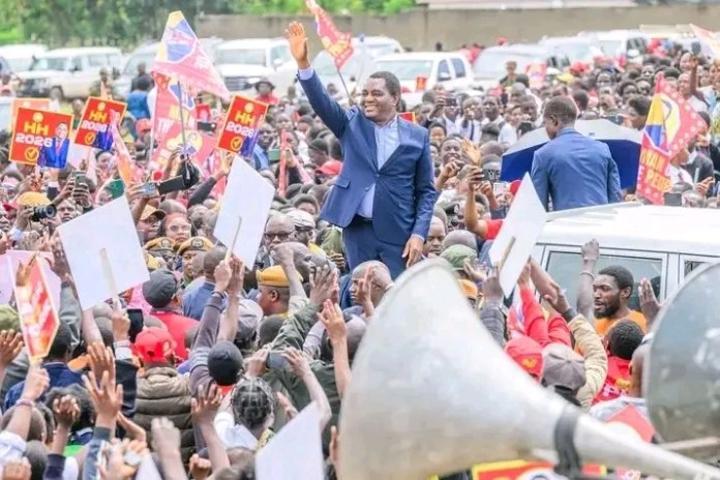
Politically, the ruling party’s mobilisation machinery is consolidating momentum at grassroots level. Organisational cohesion, coupled with messaging that emphasises national rebuilding and integrity in public service, is steadily eroding opposition influence in regions once considered politically impenetrable. The electoral contest is therefore transforming into a referendum on tangible governance outcomes rather than ideological rhetoric.
Should current trends continue, the forthcoming elections may deliver not merely victory but a thunderous landslide that redefines Zambia’s political landscape. Such an outcome would signal a collective endorsement of reform oriented leadership and a decisive public rejection of governance models perceived to have failed the nation in the past.
In this unfolding scenario, President Hakainde Hichilema stands positioned to secure a mandate of historic proportions. The electorate, increasingly pragmatic and performance conscious, appears ready to reward what it interprets as stability, measured progress, and credible national stewardship. A crushing triumph at the polls would therefore symbolise more than partisan success. It would mark the consolidation of a new political epoch shaped by resilience, reform, and a renewed national ambition to secure prosperity for future generations.
For More News And Analysis About Zambia Follow Africa-Press