
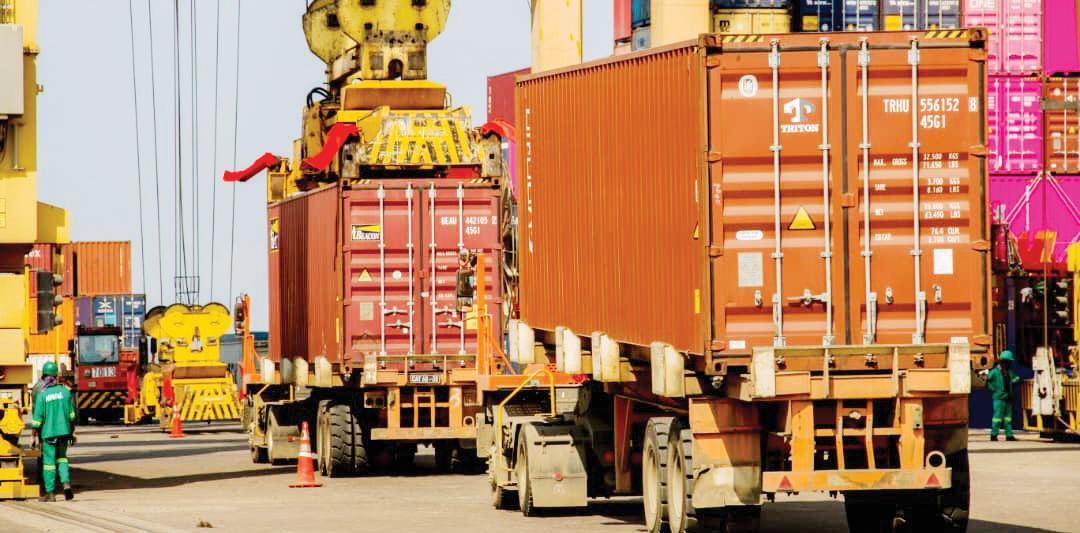
Africa-Press – Zambia. Malawi, a land-linked country in the southern African region, grapples with glaringly high trade deficits each year. The country has an annual trade gap of $2 billion, with imports seen at $3 billion and exports at a meager $1 billion.
The Southern African Development Community member state does not produce enough for export to offset the cost of importing commodities such as fuel, fertiliser and medical drugs, which top the list of the imports bill. Other commodities include kaunjika (secondhand clothes), foot ware, cement, iron sheets, furniture, electronic gadgets and even toothpicks. Simply put, in Malawi, almost everything is imported.
On the other side, the country’s exports basket comprises low value and unprocessed agricultural commodities, with tobacco— which is also losing its charm by the day—being a top export crop, followed by sugar, tea and coffee. The country is implementing policies, including the National Export Strategy (NES II), in its desperate attempt to narrow the ever-yawning trade gap and ensure an export-led economic growth.
Launched in December 2021 with a five-year implementation life-span, the second NES is crafted to facilitate an increase of exports as a percentage of gross domestic product from 14.6 percent to at least 20 percent.
The strategy’s main objectives include increasing the contribution of exports to economic and social transformation, promoting diversification of products and markets, and enhancing international competitiveness of Malawi’s industries, enterprises and products. The strategy also aims to unlock Malawi’s full export potential and to contribute towards achieving aspirations in laid out in the Malawi 2063 vision. However, just like its predecessor document, the NES II’s aspiration to shift towards export-oriented industrialisation seems to be yielding less than anticipated results. And the diversity concept remains an idea.
Fluctuations in trade numbers during NES II’s implementation period has made commentators doubt the possibility of Malawi attaining growth aspirations within the projected five-year timeframe. They say diversity demands aggressiveness and not merely shifting to the other deemed high potential sectors. Mining and the other sectors should, therefore, play complementary role, and not be perceived as alternatives or a replacement to agriculture.
Malawi needs to first awaken the sleeping giant in the agriculture sector. Malawi—a net-importer—is partly banking on the African Continental Free Trade Area, among others, for a market opportunity for its export products. To survive in such a space, it takes building a competitive edge and a competitive advantage.
For More News And Analysis About Zambia Follow Africa-Press