
By Alexander Vomo
Africa-Press – Zambia. In the ongoing battle against corruption in Zambia, recent developments have brought to light critical concerns regarding the commitment of the government, particularly the president, to transparency and accountability. The dismissal of a minister amidst speculation of involvement in an illegal sugilite mining scandal has shed light on the extent of corruption within the administration. At the same time, the absence of asset declaration by the president has raised questions about the consistency and determination of the government in its anti-corruption endeavors.
The abrupt dismissal of the Luapula Province Minister has left the public puzzled and seeking answers. While the reason behind the dismissal remains undisclosed, speculations have surfaced linking the minister to an illegal Sugilite mining scandal. This scandal, which has implicated numerous individuals, including police officers and officials from the ruling United Party for National Development (UPND), underscores the urgent need to address corruption within the government’s ranks.
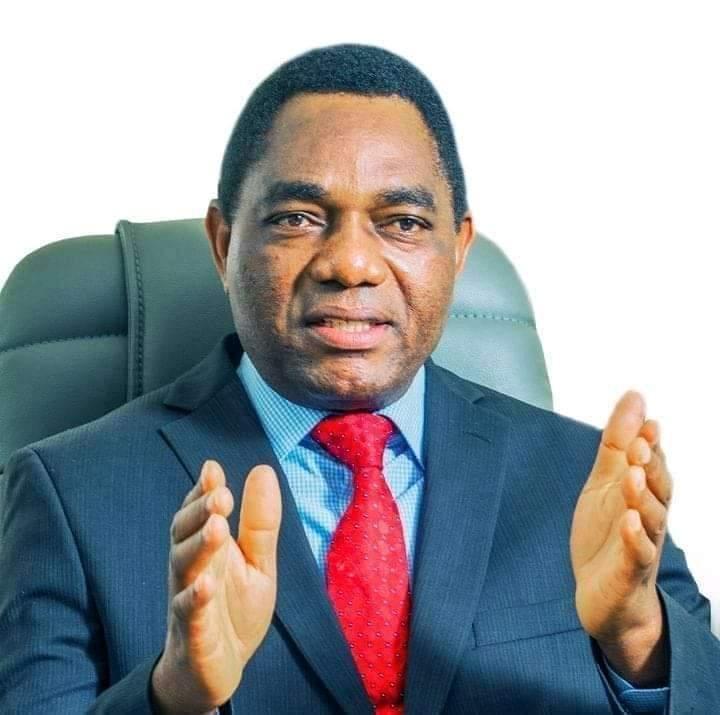
Amidst the allegations and dismissals, a significant inconsistency emerges. The president, who has emphasized the fight against corruption, has not declared his assets since assuming office. This omission raises doubts about the government’s commitment to transparency and accountability. Asset declaration by the president would serve as a crucial demonstration of leadership, ensuring that the highest office in the land is held to the same standards as others and fostering a culture of openness and integrity.
The symbolic importance of the president declaring his assets cannot be overstated. It would send a powerful message to the public, stakeholders, and international partners that Zambia is serious about fighting corruption. By leading by example and voluntarily disclosing his assets, the president would enhance credibility, rebuild public trust, and create a foundation of transparency upon which the government’s anti-corruption efforts can stand.
Addressing the contradictions and addressing the concerns surrounding corruption requires consistent action. While the dismissal of officials allegedly involved in corrupt practices is a step forward, it is equally vital for the president to complement such actions with asset declaration. This move would not only align with the government’s anti-corruption rhetoric but also demonstrate a genuine commitment to transparency, ensuring that the fight against corruption begins at the top.
The recent dismissal of the Luapula Province Minister without a disclosed reason, combined with speculations of their involvement in an illegal Sugilite mining scandal, highlights the seriousness of corruption allegations within the government. The involvement of multiple individuals, including police officers and party officials, suggests a wider network of corruption that needs to be addressed.
Lack of Asset Declaration by the President since assuming office, while simultaneously emphasizing the fight against corruption, raises questions about consistency and commitment. Asset declaration by the president would
demonstrate a proactive approach to transparency, reinforcing the government’s commitment to accountability and providing a benchmark for others to follow.
The president’s declaration of assets would send a powerful symbolic message to the public and stakeholders that he is genuinely dedicated to combating corruption. It would reinforce the notion that leaders should be held to the same standards as others and that the fight against corruption begins at the top.
Failure to declare assets can create skepticism and erode public trust. It may lead to perceptions that the government’s anti-corruption rhetoric is not being fully backed by actions. In contrast, asset declaration would enhance the president’s credibility and demonstrate a genuine commitment to transparency, thereby strengthening public trust in the government’s anti-corruption efforts.
In the face of corruption allegations and ongoing efforts to combat this pervasive issue, the importance of asset declaration by the president cannot be understated. The call for the president to declare his assets grows louder, with citizens and stakeholders seeking reassurance of the government’s commitment to transparency and accountability. Only through consistent action and leading by example can Zambia effectively combat corruption and restore faith in its governance
For More News And Analysis About Zambia Follow Africa-Press