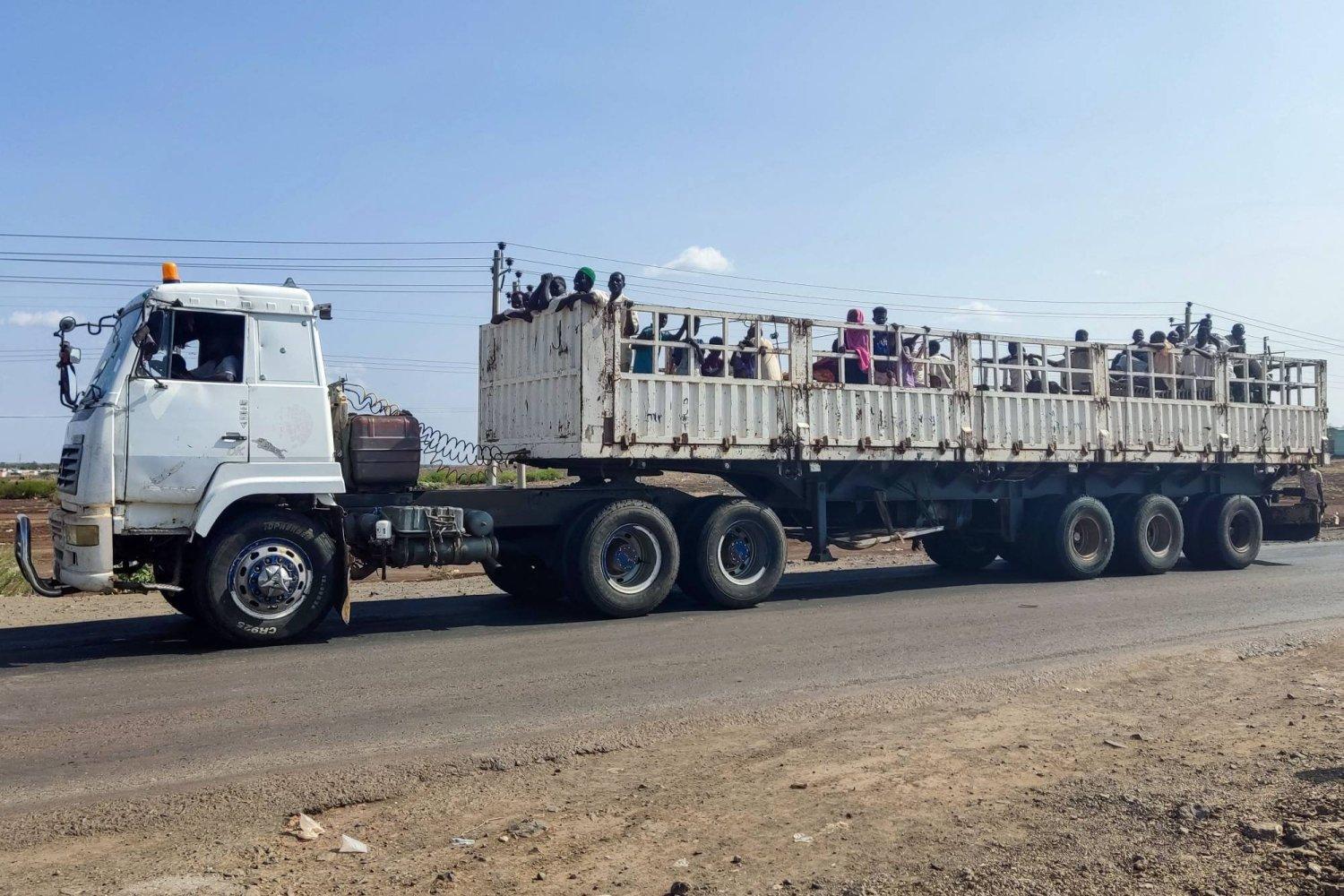
Africa-Press – Zambia. A non-governmental organization has expressed its condemnation of what it described as forced deportation of Burundian refugees in Tanzania, following the closure of one of their last camps in the country.
On April 30, Tanzanian authorities closed the “Nduta” camp located in the northwest of the country, which had housed around 60,000 Burundian refugees just a few months prior.
This decision is part of a continuing policy since 2017, under which the return of Burundian refugees to their home country has been deemed “safe,” leading to an increase in voluntary return programs in recent months. However, Burundian human rights organizations assert that what is happening on the ground goes beyond voluntary returns to forced expulsion.
According to the “Coalition for the Defense of Human Rights in Refugee Camps” (CDH/Vicar), around 3,000 refugees were forcibly deported — who were still inside the Nduta camp in recent weeks — to Burundi last Thursday, which hastened the complete closure of the camp. Authorities only allowed ten families to remain temporarily, awaiting their transfer to another location.
The head of the organization, Leopold Charangabo, explained that the refugees have faced continuous pressure from the Tanzanian government for months to compel them to return, noting the gradual deterioration of their living conditions.
He stated that they were prohibited from engaging in any income-generating activities and lived in conditions he described as “prison-like,” with schools and health facilities closed, ultimately forcing them to return against their will.
In contrast, the United Nations High Commissioner for Refugees confirmed that the closure of the Nduta camp falls within the framework of a voluntary return program for refugees to their home country, in accordance with an agreement between Burundi and Tanzania to return 100,000 refugees by June.
However, the Commission acknowledged that it has expressed concern over reports of forced returns, noting that around 17,000 Burundian refugees had reported in November that they could not return to their country due to safety fears, including political opponents, human rights activists, and former military personnel.
In a related development, Tanzanian authorities announced their intention to close the “Nyarugusu” refugee camp by June 30, 2026, raising increasing concerns about the fate of thousands of remaining Burundian refugees in the country.