Africa-Press – Zambia. Last night, I saw motorists being turned away from a couple of filling stations on account of lack of fuel.
A chat with a couple of motorists revealed that the commodity was in short supply.
I bit my lower lip as some people do to signal a moment of reflection on a sudden development.
In journalism, you learn to place stories in their larger context to facilitate the reader’s comprehensive understanding.
It’s the same principle I apply in thinking about everything I see and experience.
The US/Israeli war against Iran is already claiming victims in terms of lost lives but also in oil shortages and high prices in different parts of the world.
The Hormutz Strait that facilitates the passage of 20% of the world’s oil is right in the throes of a fierce battle.
Tragically, the Houthis of Yemen have joined the war which threatens the shipping lanes in their geographical area which facilitates 12% of global commerce.
This promises to further squeeze the already squeezed global oil supplies.
Governments around the world are counting the costs. Zambia’s too. Exactly how and to what extent, only the Zambian government knows.
As much as transparency is demanded in such instances, the Zambian government, like any other around the world must walk a tight rope – between providing information just enough to facilitate public preparedness and avoiding panic, on the other hand.
There’s no standard formula for striking a balance in such matters.
But whatever the case, these developments always have impact of varying degrees and depending on distinct factors
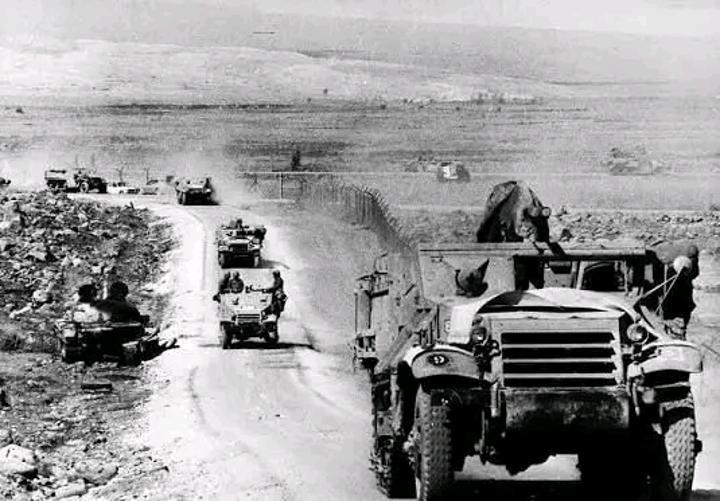
In 1973, oil-producing countries placed an oil embargo on countries that were supporting Israel.
Arab nations were engaged in a war against Israel at the time. The oil embargo led to more than double the prices of oil across the world.
Unfortunately for Zambia, copper prices plummeted the following year leading to lack of foreign exchange to buy fuel which was already too expensive.
It was the beginning of trouble for the mono economy. IMF interventions didn’t help.
Social and economic conditions continued to deteriorate and President Kenneth Kaunda’s political fortunes were correspondingly compromised beyond redemption.
In the current scenario, fortunately, copper prices are at their highest, so Zambia can afford to buy oil, even expensive oil.
However, unanticipated factors can always arise that could just upend our ability to stay afloat.
What do you do under the circumstances? Well, stay put and tight while watching your elected officials navigate the complex contours of geopolitics.
For More News And Analysis About Zambia Follow Africa-Press