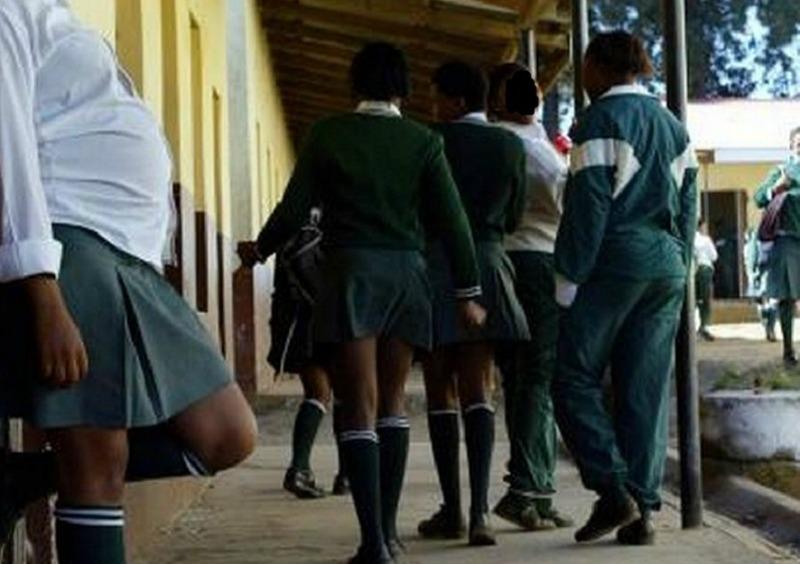
Africa-Press – Zimbabwe. By Robert Tapfumaneyi – THE National Aids Council (NAC) in Rushinga has scaled up programmes to try and rescue young girls from dropping out of school due to early child marriages in this remote Mashonaland Central district.
The district has a poverty prevalence of 81.9%, with Ward 25 having the highest at 88%.
Ward 24 has the lowest, with 60%.
Livelihoods in the area are agro-based, and main crops are maize and cotton.
Other sources of livelihood include selling fish from the neighbouring Mozambique and gold panning.
Speaking to journalists during a NAC organised media tour, NAC district coordinator Eric Taramusi said a Determined, Resilient, Empowered AIDS Free Mentored and Safe (DREAMS) programme was being implemented in the district targeting mainly hotspots areas.
“For the first term, we had 179 school drops and 53% of those school dropouts were girls and most of the drops from the girls were due to pregnancies or marriages during the lockdown,” Eric Taramusi, NAC district coordinator told this publication during the NAC Editors media tour in Mashonaland province.
“Kids were not going to school and they end up being married as they spent most of their time within the community.
“On the dreams programme, we are targeting hotspot wards using the school dropouts that we are having.
“So, we selected 10 hotspots areas in the districts that are where we are implementing the DREAMS programmes.
“The DREAMS programme we are implementing here is a modified programme. We have three components namely Parent to Child Communication (PCC) where we have trained 20 mentors that are in the communities.”
He added that there are two mentors for each ward and then we also have comprehensive sexuality education where the child is also taught and we have trained 35 teachers in the districts education subsidies where those vulnerable girls are assisted with school related assistance such as paying for school fees, stationery, sanitary wear and uniforms for the vulnerable girls
Taramusi went on to say that it was very difficult to reach some of the children during the national lockdown but the situation was now back to normal.
“Most of our programmes are hinged on HIV testing and counselling and during the Covid-19 national lockdown, the health centres were not testing these girls because nobody was just coming to the health centres for HIV testing.
“But, now the testing is open to everyone as compared to the national lockdown and Covid-19 was a major blow to the testing programme.
“More than 400 girls in Rushinga district were absorbed under the DREAMS model and this according to the National AIDS Council has greatly reduced the number of early marriages and pregnancies as well as dropouts since the beginning of the year.
“The girls have already had their school fees and other needs taken care of under the DREAMS programme.”