
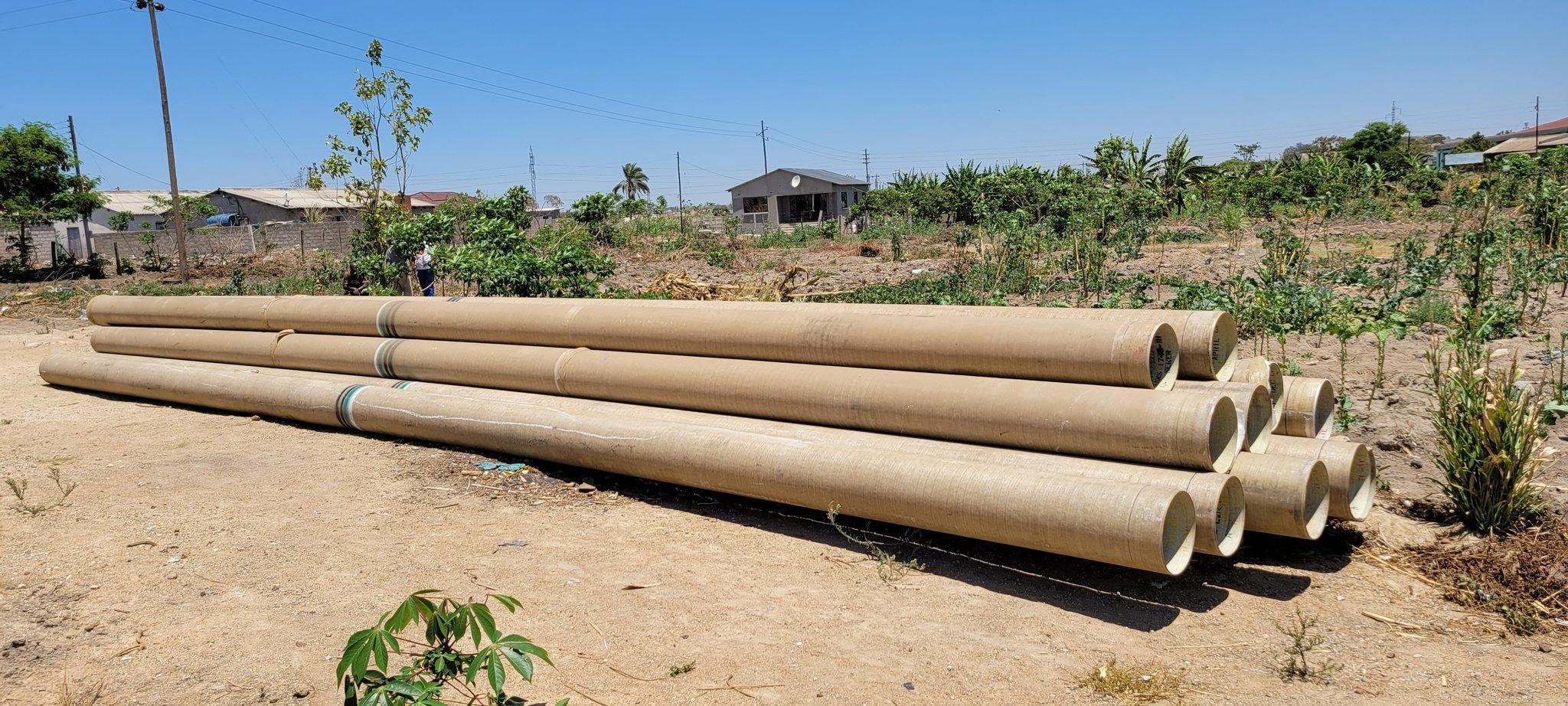
Chitungwiza Municipality says it needs US$426 million and a dedicated water source to permanently fix the town’s worsening sewer crisis, as major rehabilitation works continue across the dormitory town.
The council reaffirmed its commitment during an engagement meeting held on 18 May 2026 with the Zimbabwe National Organisation of Associations and Residents Trust (ZNOART), where officials detailed ongoing and completed sewer projects aimed at cutting bursts and improving wastewater flow.
Engineer Talent Mashinga told the meeting that Chitungwiza requires 112 megalitres of water per day but is receiving just 12 megalitres from Harare.
“Chitungwiza requires over 50 megalitres daily for the sewer system to function effectively,” Mashinga said. The shortfall continues to clog and collapse the reticulation network.
Works Director Engineer David Duma said an adequate water supply is the linchpin to any lasting solution.
“Without adequate water, we cannot completely resolve the sewer challenges. We continue to call for Chitungwiza to have its own water source because water is central to improved sewer management,” said Duma.
The municipality estimates that sewer rehabilitation works and improved water supply will require US$426 million. Council has prioritised trunk line rehabilitation to reduce frequent bursts.
Mashinga listed several major projects either completed or in progress across Chitungwiza.
He said that at Rufaro, a contractor is laying 3.5 kilometres of new sewer pipes ranging between 300mm and 600mm in diameter, while a separate rerouting of 340 metres of sewer line in the same area has already been completed. In Unit M, council teams have laid 694 metres of pipeline using municipal equipment.
Work on the Zengeza Outfall has reached 68% completion, and the laying of 800mm diameter pipes along the Seke Outfall is now 80% complete. Council has also finished replacing 800 metres of collapsed and silted pipes in Unit C.
In Unit F, 420 metres of old pipes along Mboto Road have been replaced, while a 60-metre sewer connection for new houses in Unit K is also complete. De-silting works remain ongoing along the St Mary’s Chiweshe Line and the Seke Main Outfall as part of efforts to improve wastewater flow.
Mashinga said progress in some areas has been hampered by houses built directly on top of sewer lines, forcing redesigns.
“We are mapping new routes in affected areas to ensure the projects continue. Residents will soon see our excavator back on site in Unit M after resolving some of these challenges,” he said.
Mayor Councillor Rosaria Mangoma welcomed the dialogue with residents and stakeholders. “When we combine our ideas and efforts, we can come up with strong and lasting solutions to issues affecting our community,” she said.
ZNOART National Chairperson Shalvar Chikomba commended the platform and pledged continued collaboration.
“We raised these issues so that we can work together on solutions. Residents expect improved service delivery, and engagements like these are very important in achieving that goal,” Chikomba said.
Related:
Chitungwiza Council Workers Find Infant’s Body In Sewer Manhole
Chitungwiza Road To Close For Sewer Works On 17-18 January