Africa-Press – Zimbabwe. The Zimbabwean government owes ZIG45.6 billion (US$1.7 billion) to pensioners, service providers, schools, health programmes, and contractors, as some ministries continue to spend outside the official Public Finance Management System (PFMS).
Weak monitoring and “over-contracting” beyond approved budgets have worsened the problem, leaving small businesses struggling and essential social services destabilised.
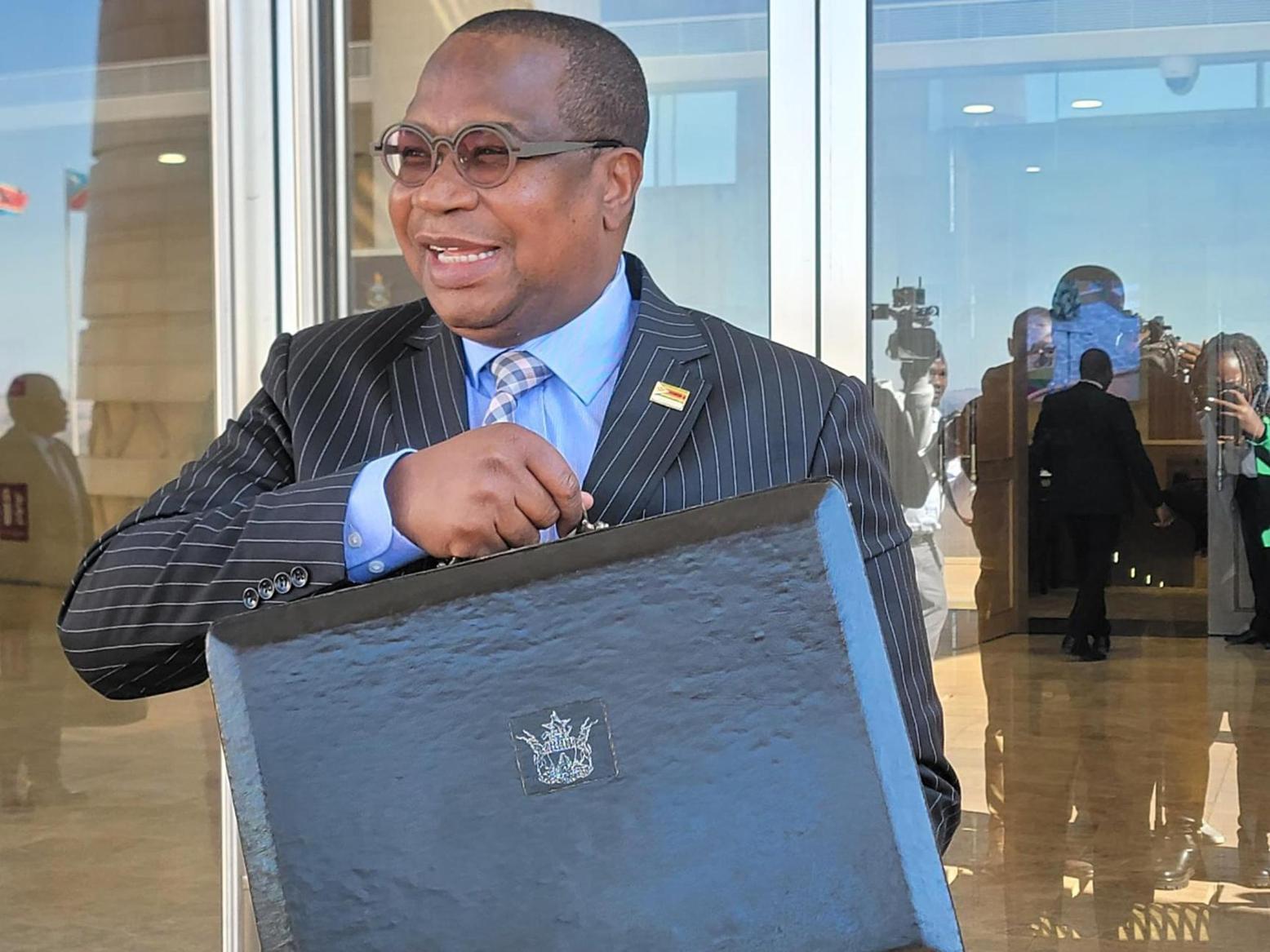
To address this, Finance Minister Mthuli Ncube presented a five-year Expenditure Arrears Clearance Strategy (2026–2030) in Parliament on 27 November 2025.
The plan aims not only to pay off the arrears but also to prevent further fiscal slippage by strengthening controls and oversight.
At the end of 2024, the government owed US$1.69 billion, with 98% denominated in US dollars. A large share of this debt is owed to critical social and employee welfare programmes, including:
US$98 million to the Basic Education Assistance Module (BEAM)
US$77.05 million in Results-Based Financing claims for health services
US$69.58 million to the Pension Fund
US$23.48 million to the National Social Security Authority (NSSA)
US$28.50 million for Medical Aid (PSMAS)
US$0.39 million to the Government Employee Mutual Savings Fund
US$50 million to the Zimbabwe School Examinations Council (ZIMSEC)
The strategy points to the root causes of the arrears: ministries transacting outside PFMS, weak monitoring systems, committing to contracts beyond budgeted resources, and misalignment between budget allocations and actual cash availability.
It defines expenditure arrears as the government’s failure to pay wages, salaries, goods and services, capital projects, and transfers on time.
To clear the debt, the government plans to use a reverse auction mechanism. Verified arrears will be converted into five-year, non-tradable government securities.
Creditors can bid to sell their debt back to the state at a discount, with those accepting the largest cuts being paid first.
Creditors who do not participate, or whose bids are rejected, will be repaid at maturity.
The plan also considers debt-for-asset swaps with entities such as pension funds.
The strategy prioritises social obligations. Category 1 arrears, totalling US$305 million, cover pensions, health insurance, student support, and payments to war veterans.
Category 2, amounting to US$58.84 million, covers utilities and ZIMSEC, while Category 3, representing US$1.32 billion for capital projects like dams, roads, and agricultural inputs, will be addressed last due to its lower immediate social impact.
To prevent new arrears, the government has pledged to enforce the mandatory use of PFMS, require Treasury approval for contracts above US$2 million, and ensure budget releases are aligned with available cash.
Related:
Here Are The 2026 National Budget Allocations
IMF Presses Zimbabwe To Avoid Money Printing, Tackle Debt
For More News And Analysis About Zimbabwe Follow Africa-Press