
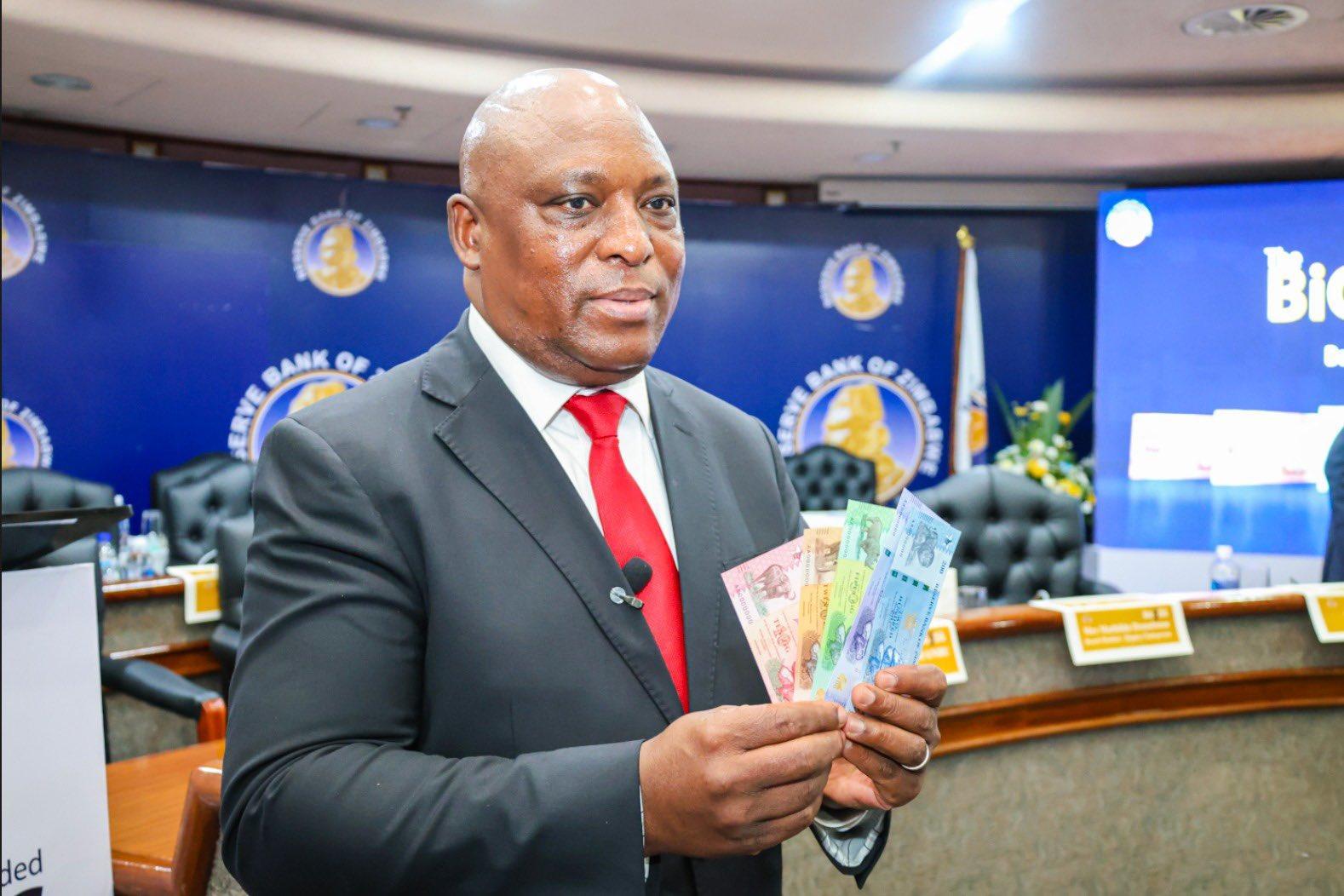
The Reserve Bank of Zimbabwe (RBZ) has increased mobile money and ZIPIT payment limits in ZiG to encourage financial inclusion, improve payment systems, and boost the use of the local currency.
RBZ Governor John Mushayavanhu announced the changes in the 2026 Monetary Policy Statement on 27 February.
Person-to-Person (P2P), Person-to-Business (P2B), and ZIPIT transaction limits have been raised from ZiG 8,000 to ZiG 13,000 per transaction, while the monthly limit has been increased from ZiG 16,000 to ZiG 50,000. Said Mushayavanhu:
“The upward adjustment is intended to further promote the wider usage of ZiG, strengthen Zimbabwe’s digital payments ecosystem, and enhance the competitiveness and convenience of ZiG-denominated transactions across the economy.
“The upward revision of limits is also designed to support increased transactional efficiency, deepen financial inclusion, and facilitate seamless retail payments in a growing digital economy.”
The mobile money and ZIPIT transaction limits for US dollars will remain unchanged. Person-to-Person (P2P) payments are capped at US$500 per transaction and US$1,000 per month, while Person-to-Business (P2B) and ZIPIT payments are limited to US$1,000 per transaction and US$3,000 per month.
The Reserve Bank of Zimbabwe (RBZ) praised banks for waiving monthly service fees on accounts with balances of US$100 or less, or the ZiG equivalent, and for removing charges on transactions of US$5 or below. These measures remain in place, and all banking institutions and deposit-taking microfinance institutions (DTMFIs) are required to comply.
Despite this, the RBZ continues to receive complaints about the high cost of banking.
Mushayavanhu said excessive transaction fees discourage people from using formal banking channels, reducing domestic savings and limiting funds available to support productive sectors of the economy.
He stressed that reducing bank charges further would improve the ease of doing business, encourage the use of formal banking channels, and promote broader financial inclusion.
To address excessive transaction fees, the RBZ has directed all banks and DTMFIs, withn effective from 01 April 2026, to lower cash withdrawal charges for both banking halls and ATMs to a maximum of 2% of the withdrawn amount for both US dollars and ZiG.
Point of Sale (POS) charges are to be reduced to a maximum of 1.5% per transaction for both local and international cards, capped at US$20 or the ZiG equivalent, with no minimum fees allowed.
The central bank further instructed that account balance inquiry charges on all banking and mobile banking platforms be removed, fees on cash deposits eliminated, and charges for issuing new or replacement bank cards be limited to cost recovery levels.
Related:
Zimbabwe On Course For Full Return to Local Currency By 2030 – Mushayavanhu
ZANU PF Calls For Removal Of Tax On Electronic Transactions