
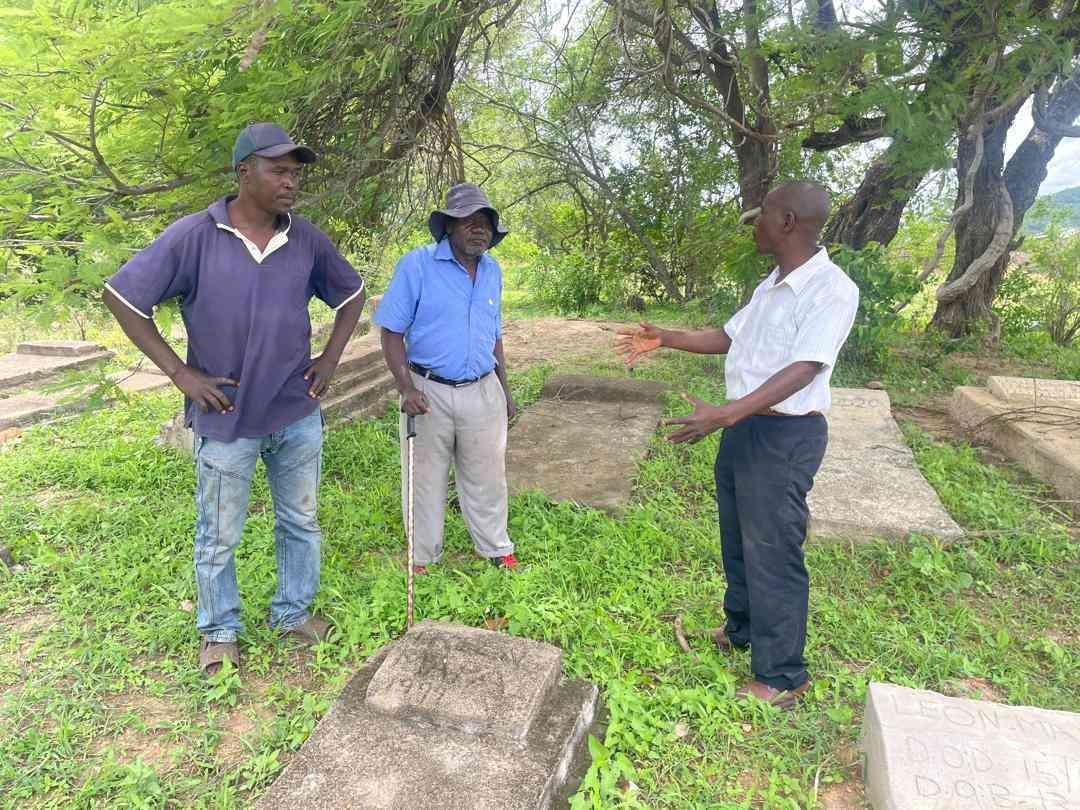
Africa-Press – Zimbabwe. When controversy erupted over the reburial of five children and 24 adults at Buhera’s Sabi Star lithium mine, it thrust a rural community into the centre of a national debate—one that goes beyond mining operations and into the uneasy space where local tradition meets Western interpretations of dignity and human rights.
At the heart of the storm is Max Mind Investments’ Sabi Star, commissioned by President Emmerson Mnangagwa in 2023 and now one of Zimbabwe’s most significant players in the global lithium race. But as heavy equipment moved in to unlock the district’s mineral wealth, ancestral graves lay directly in its path.
What followed has been painted in starkly contrasting colours: on one side, allegations of dehumanising reburials; on the other, families and traditional leaders insisting that the process strictly followed custom.
Human rights activist Farai Maguwu alleged in a post on X, formerly Twitter, that the company had used excavators to dig up graves at the mine site.
“These were laid to rest with love and care in Buhera by hundreds of people, but exhumed by the Chinese using excavators and dumped here. Since this mining madness started, more than 10,000 graves have been desecrated countrywide,” he wrote.
In Mkwasi and surrounding villages, where the exhumations took place, many families expressed bewilderment at claims that the children had been buried “in plastic bags”.
Greater Gombahari, whose relatives were among those moved, dismissed the criticism:
“All these graves are our relatives. We are happy with how the mine handled the reburials. They bought new coffins and blankets. Nyaradzo did it well,” she said.For the Mubaiwa family, too, the process unfolded without incident.
“My grandfather, my father and my uncles were all reburied here. We were compensated. For us, everything was done properly,” said Oria Mubaiwa.
Village head Mkwasi, Noah Manhidza, emphasised that cultural norms—not corporate negligence—guided decisions on how the remains were handled.
“People must understand our customs. Minor children who had not developed teeth cannot be buried in coffins,” he explained.
“Apart from the five children, everyone else was buried in coffins.”
Several villagers confirmed that the idea to use plastic for the infants came from the community itself, not the miner.
Of the five children, three were stillborn.
Clopas Manzeke, a relative of several of the deceased, said: “The other five minors being spoken about—it’s us, the villagers, who suggested to the mine that we could use plastic to put the remains together.”
His brother, Asser Manzeke, who led the children’s reburial, agreed but conceded one regret.
“We could have used clay pots. That was our mistake as a community. The mine consulted us.”
Across Buhera, traditional leaders — the headman, village heads and Chief Nyashanu — were unanimous: the process followed required rituals and customs.
Chief Nyashanu was unequivocal: “No one objected. People were given options. These stories coming now are manufactured out of greed,” he said.
“This is a closed chapter. Stop creating stories.”
Headman Nemhari, Arkshow Mupariri, who oversaw earlier exhumations in 2017, insisted cultural and spiritual protocols were never compromised.
“Ask anyone—I am tough when it comes to our customs. Everything was done properly.”
Buhera District Development Coordinator, Freeman Maviza, reinforced the point: “This process was consultative and guided by traditional leaders. Families identified the graves themselves. Compensation was given. If there were grievances, traditional channels were open.”
For Sabi Star Mine, the reburial saga unfolded as it was investing heavily in the community.
To offset the drought last year, Sabi Star imported 30 000 tonnes of maize to distribute to 600 of the most vulnerable families in the community.
In order to build capacity for self-dependence, it focused on building capacity and has so far drilled 26 boreholes across the community to offset the challenge of water. It also set up solar-powered community boreholes in Bonde, Tumbare, Bhondai, and Tame villages to support the horticultural projects for women and youths.
Of the 450 full-time jobs at the mine, 85% are locals.
Sabi Star is a potential $1 billion operation. Its ambitions align with government policy on value addition—processing ore locally to produce high-value concentrate for the international battery market.
Yet, despite the project’s economic promise, the reburials placed the mine in an uncomfortable global spotlight. While Western rights groups view plastic burials as undignified, local cultural practices emphasise symbolic maturity rather than material form.
Infants who never grew teeth do not qualify for coffins in many Shona traditions; instead, clay pots—now rarely available—once fulfilled this spiritual role.
Caught between cultural authenticity and international scrutiny, the mine found itself defending a process largely directed by families and traditional leaders.
The loudest voices in the controversy, villagers say, are not among those who had relatives reburied. Some suspect ulterior motives.
“Someone is fooling them that they can get money out of this,” said Clopas Manzeke.
“But you can’t continue using the departed to make money. It’s a bad omen.”
Councillor James Mhlanga echoed the sentiment: “I have not heard a single complaint brought to me formally. I don’t know what motivates these stories.”
The dispute around Sabi Star is really a question about Zimbabwe’s future: How does a country rooted in deep, ancient customs navigate mining projects that attract global attention—and global judgement?In Buhera, most families insist the matter is spiritually settled. But nationally, the episode highlights an unresolved tension:Can traditional burial customs coexist with international standards of human dignity, especially in projects tied to the global green-energy supply chain?
For now, Buhera’s elders believe they have done right by their ancestors. Whether the outside world agrees is a different story—one that continues to challenge communities standing at the crossroads of culture, development and global expectations.
For More News And Analysis About Zimbabwe Follow Africa-Press