
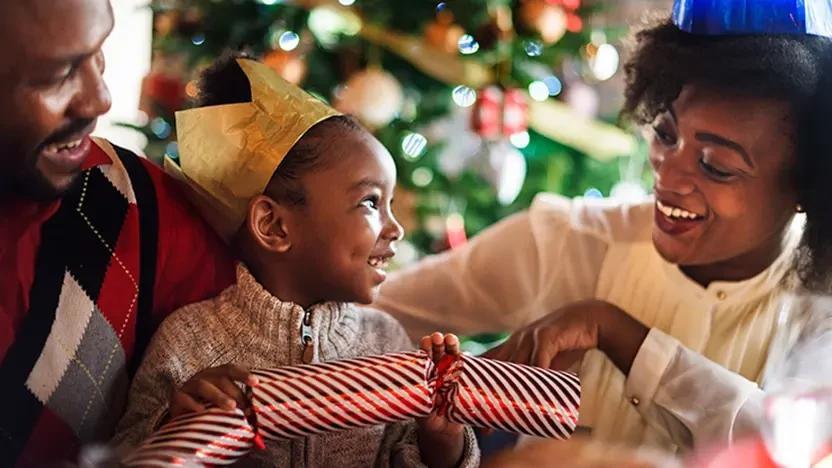
Africa-Press – Zimbabwe. The long-awaited festive season is here. Children have completed their public and internal examinations, schools have closed, and families across the country are preparing for Christmas celebrations and the long school break. For many households, this is a joyful time—but it is also a period when children face heightened risks.
Some children will spend the holidays at home with domestic helpers while parents continue working. Others will travel to rural areas or visit extended family for the holiday. Older siblings may be responsible for younger ones, and many children will spend more unsupervised time playing in the neighbourhood or online. Whatever your family setup looks like this season, child safeguarding cannot be overemphasised.
Below are key risks and some practical measures to keep children safe, supported and protected throughout the holiday.
Responding to School Results Safely and Constructively
The release of report cards is often the first holiday stressor. When report cards land on the table, the festive air can change quickly. While children who perform well usually receive praise and sometimes rewards, those whose results fall below expectations may face emotional, verbal, or even physical abuse at home. Harsh scolding, name-calling, insults or comparisons with other children can have a negative and lasting emotional impact on children. Public shaming, threats or physical punishment can humiliate and traumatise children, undermine trust and break down a child’s confidence.
A more effective approach to consider would be to hold a calm, private conversation with the child about their performance, ask the child about their challenges and listen without judgment, and work together to draw up a plan for improvement for the next year. Explain clearly any disciplinary consequences, for instance you may withhold certain privileges (e.g. TV time, mobile devices or extra outings) if needed, but explain the reason clearly and frame them as part of teaching responsibility, not punishment. Above all, focus on effort and improvement—not just end results. This creates a space where children feel safe to talk about failures, rather than hiding or internalising them.
Safeguarding Younger Children (Under 6 Years)
Younger children, below six (6) years of age, are at particularly high risk because they often have limited vocabulary, may lack the confidence to report abuse or discomfort, and are easily groomed with treats, favours or threats. They may not be able to differentiate between safe and unsafe touch and often trust adults unquestioningly. Studies show that cases of abuse amongst this age group are underreported due to language limitations. Oftentimes, these younger children will not know what, where, how and to whom to report their concerns.
Parents and caregivers should therefore watch for any signs of distress with all children but particularly this younger age group. Children may start to show sudden fear of a particular person or extra attachment to a particular person. There may be changes in behaviour, sleep or appetite, unexplained injuries or irritability. Other children may display developmental regression for instance bedwetting or baby talk.
Practical tips:
Visiting Relatives, Hosting Visitors and the Risk of Familiar Faces: Don’t Assume Safety
Holiday travel and visits to relatives or friends exposes children to new environments and people. Sadly, most abuse happens not by strangers – research and child-protection data show that most abuse is perpetrated by people the child already knows—including relatives, neighbours, older cousins and family friends. This does not mean every relative and/or visitor is a danger, but it does mean families must remain vigilant.
Key safeguards:
Would be offenders are more intimidated and likely to be deterred by a confident and knowledgeable victim. A child who knows their rights and feels confident speaking up is much harder to victimize.
Safe Play and Supervision
Play is essential for children’s development — but unsupervised play can be a source of risk as it can lead to accidents or exploitation. In some neighbourhoods, games can involve dangerous objects. Exploration can potentially lead children near water bodies, pits, climbing up high trees, cattle pens or construction sites which are dangerous. Older children may bully younger ones or introduce them to harmful behaviours such as sexualised games or harmful content.
Parents can promote safe play by setting clear rules about where children may and may not go, encouraging children to play in open, visible spaces rather than secluded areas, and checking toys and play materials for safety. Talking openly with children about respecting each other’s bodies and boundaries — stressing that secrets about “private parts” are never acceptable. Supervised, safe play protects children while letting them enjoy the holidays.
Online Safety and Digital Risks
More children now have access to smartphones, tablets and mobile data bundles and therefore increased exposure to the media, and social media platforms. While the internet can be a source of knowledge and entertainment, it also greatly increases exposure to risks such as harmful content (pornography, violence, hate speech), online grooming or catfishing, cyberbullying, and sharing personal information with strangers. Children may unsuspectingly be lured into inappropriate social-media or chat groups for example WhatsApp groups and channels where they are exposed to many risks. Children should therefore be empowered to navigate online spaces safely.
Online safety measures to mitigate risks may include:
When used responsibly and under supervision, digital tools can remain safe, educational and fun during the holiday.
Risks During Parties, Outings and Church Events
December is often filled with gatherings as the festive season in Zimbabwe often involves: holiday parties, braais, community events, weddings, all-night church services, shopping trips and holiday travel. During these events, parents are often preoccupied with cooking, hosting or participating — sometimes leaving children unsupervised. Children can easily slip out of sight — or fall prey to opportunistic adults. Common high-risk situations include alcohol-heavy environments, unsupervised swimming or playing near hazards, children being sent to “play in the back rooms” with older youths or being left alone in parked cars, strangers offering lifts, gifts or snacks and inappropriate sleeping arrangements at overnight gatherings.
What families can do:
Safeguarding Children with Disabilities
Children with physical, intellectual, visual or hearing impairments often face increased risks of neglect, isolation or abuse — particularly in busy festive environments.
Families and caregivers should:
Inclusive celebrations require extra vigilance — and empathy.
Strengthening Community Vigilance
Child protection is not just a household issue—it is a communal responsibility. Neighbours, relatives, church members and community leaders all play a role — especially during holidays when many children roam freely. Communities should report suspected abuse early, stay alert and check in on children left alone at home especially during the day when parents are working, intervene respectfully when a child appears to be at risk and create child-friendly spaces during public community events. A safe community is built through collective action, respect and vigilance.
10 Quick Safeguarding Tips for Parents This Festive Season
Final Thought
The holiday season should be a time of joy, rest and family togetherness. By staying vigilant, and proactive, families can ensure that children are safe, protected and free to enjoy the festive period without fear or incident. Here’s wishing all Zimbabwe’s children a safe, restful — and happy — holiday season.
For More News And Analysis About Zimbabwe Follow Africa-Press