
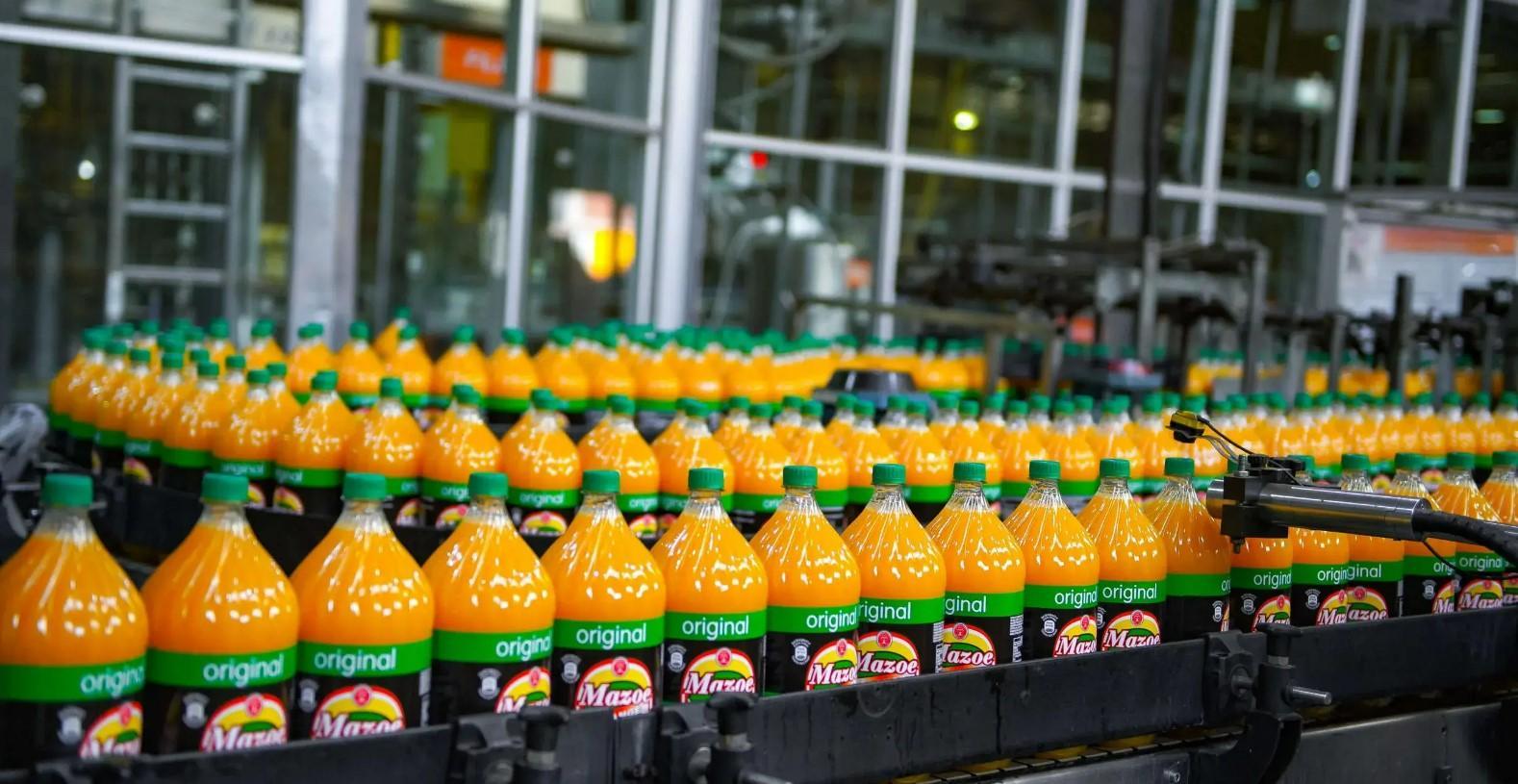
Delta Corporation, Zimbabwe’s largest beverages manufacturer, is in discussions with the government over the sugar tax, which continues to affect its profits, demand, and the sustainability of its supply chain.
The sugar tax was introduced in February 2024 to help fund the fight against non-communicable diseases (NCDs) such as cancer, diabetes, and obesity, which are linked to high sugar consumption.
The Treasury said it raised over US$25 million between early 2024 and mid-2025 from the tax, using the funds to buy cancer treatment equipment, including linear accelerators and CT simulators.
The tax is set at US$0.001 per gram of added sugar on specified beverages, applied to both ready-to-drink and concentrated drinks.
Although the government reduced the surtax on cordials to US$0.0005 per gram from 1 January 2025, Delta said its trading margins were still squeezed during the half-year to 30 September 2025 because of the sugar tax. It said:
“Group revenue for the half year at US$514 million increased by 32 per cent compared to the prior year, reflecting the volume growth across the Zimbabwe business units and the inclusion of Schweppes as a subsidiary.
“The revenue growth was weighed down by the price moderations in the sparkling beverages business, which partly absorbed the sugar tax to maintain volume and competitiveness.”
Delta said trading margins improved thanks to lower cereal and packaging costs and favourable currency movements, but these gains were offset by under-recovery on the sugar tax.
Related:
ZIMRA: 2026 Budget Key Tax Measures
ZIMRA Explains How New Digital Services Tax Will Be Collected