By Wellington Muzengeza
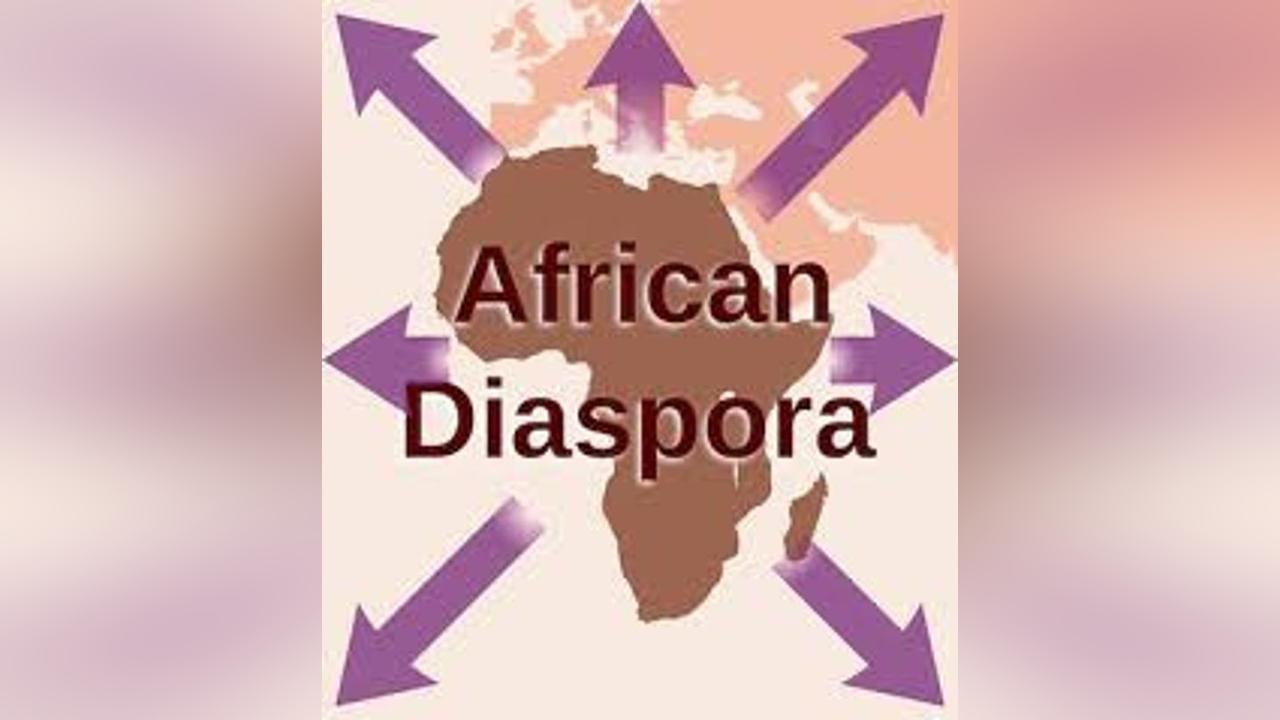
Africa-Press – Zimbabwe. 2025 has stripped away the last illusions and confirmed a brutal truth: Africa’s survival is not being engineered in the corridors of ministries or the chambers of parliaments, but in the sweat and sacrifice of its citizens abroad.
It is the diaspora, scattered across London, Johannesburg, Dubai, New York and Melbourne, that has become the continent’s shadow treasury, wiring lifelines back home while governments stumble in corruption and mismanagement.
Remittances now function as Africa’s parallel budget, underwriting healthcare where hospitals collapse, paying school fees where education ministries fail and feeding households abandoned by regimes obsessed with power rather than service.
Zimbabwe’s over US$2,4 billion inflows from its diaspora are not simply a stream of foreign currency; they are a referendum on governance. Each dollar sent from Birmingham or Cape Town is both a blessing and an indictment, a testament to the resilience of citizens and a reflection of the failure of rulers.
These remittances are not charity; they are survival. They are the economics of defiance, a vote of no confidence in domestic policy and a reminder that legitimacy cannot be printed in newspapers or broadcast on State radio.
Remittances are Africa’s lifeline and its indictment. They expose the fragility of States that cannot sustain their own people, while elevating the diaspora as the true custodians of national survival.
In this new political economy, sovereignty itself is being rewritten not in finance ministries, but in Western Union queues, WhatsApp groups and mobile money transfers that bypass the State entirely.
Remittances as parallel governance
In Zimbabwe, the diaspora has become more dependable than the State. It is not the Treasury in Harare that keeps classrooms open, but the dollars wired from Birmingham and Johannesburg that pay school fees.
It is not the Health ministry that sustains hospitals, but the remittances from Perth and London that buy medicines and keep wards alive. Families abandoned by a government that has mortgaged legitimacy for power now survive through a shadow economy built on sacrifice abroad.
This is parallel governance: a subterranean treasury sustained by WhatsApp groups, EcoCash transfers and Western Union queues.
The economics of survival is no longer scripted in budget speeches or parliamentary debates; it is authored in the digital corridors of diaspora solidarity.
Every transaction is a quiet act of defiance, a reminder that sovereignty has migrated beyond the borders of the State. Diaspora remittances are not charity; they are a counter budget, a vote of no confidence in domestic governance and a declaration that the people will not wait for reform that never comes. In 2025, the true custodians of Zimbabwe’s survival were not ministers but migrants, not bureaucrats but breadwinners abroad.
Blessing and indictment
Remittances are Africa’s paradox, both a blessing and a betrayal, a lifeline and an indictment.
They keep families alive, cushioning the daily brutality of collapsed economies, yet they simultaneously expose the naked failure of governments to provide even the most basic economic security.
Each dollar wired from London or Johannesburg is a testament to resilience among citizens and a confession of incompetence among rulers. Remittances stabilise fragile economies, but they also entrench complacency among the elite who treat diaspora inflows as a substitute for reform, a convenient escape from accountability.
The paradox is stark: while remittances feed households, pay school fees and keep hospitals stocked, they also enable regimes to continue mortgaging legitimacy for power. Leaders who should be reforming fiscal policy instead lean on diaspora dollars as a crutch, outsourcing survival to citizens abroad while squandering sovereignty at home.
In this way, remittances become both the balm and the betrayal, the lifeline that sustains the people and the indictment that unmasks the State.
They are the quiet rebellion of citizens abroad, a shadow referendum on failed governance and a reminder that Africa’s survival is being scripted not in ministries but in Western Union queues and WhatsApp groups.
Diaspora as economic citizens without borders
Africans abroad are not passive exiles drifting on the margins of history; they are active economic citizens rewriting the very meaning of belonging.
Their remittances are not mere transfers of cash but instruments of survival and sovereignty, redefining citizenship in a continent where governments exclude them from political decision-making yet depend on their dollars to keep economies afloat.
Every wire from London, every mobile transfer from Johannesburg, every Western Union queue in New York is a declaration that the diaspora is not peripheral but central to Africa’s future.
They sustain families abandoned by failed States, but they also finance opposition movements, independent media and civic tech platforms that puncture propaganda and expose repression.
In doing so, the diaspora has become a counter elite, wielding economic leverage from abroad, shaping domestic politics without sitting in parliaments and underwriting legitimacy without holding office.
Their influence is transnational, their solidarity borderless, their power undeniable. This is citizenship without borders: Africans abroad exercising economic agency that governments at home cannot ignore.
They are the custodians of survival, the financiers of resistance and the architects of alternative futures. In the age of digital insurgency, the diaspora is no longer a supporting actor; it is the shadow sovereign, rewriting the script of Africa’s political economy from afar.
Remittances versus aid and FDI
Unlike foreign aid, politicised, conditional, and often weaponised by donors or foreign direct investment, volatile, extractive and beholden to global markets, remittances are direct, personal and resilient.
They are not negotiated in boardrooms or at donor summits; they are wired in real time from the sweat of migrants to the survival of families.
They bypass ministries, evade corruption and arrive where they are needed most. In most African countries, remittances now outpace aid flows, making them the true engine of survival.
Nigeria’s US$26 billion inflows, Egypt’s US$22,7 billion and Morocco’s US$11,4 billion dwarf official assistance, exposing the hollowness of donor conferences and the fragility of FDI promises.
These figures are not abstract statistics; they are the daily bread, the school fees, the hospital bills, the lifelines that governments fail to provide. Remittances are solidarity in motion, a transnational redistribution of dignity from citizens abroad to citizens at home.
The contrast is damning while aid is politicised and tied to conditionalities that often undermine sovereignty, remittances are unconditional acts of survival.
While FDI can vanish overnight with a currency crisis or political upheaval, remittances persist, sustained by obligation, love and defiance. Diaspora dollars are not speculative capital; they are the shadow budget of Africa’s survival. They prove that the continent’s most dependable financiers are not donors or investors, but its own citizens abroad.
Digital transformation of remittances
The age of remittances is no longer defined by queues at Western Union counters or the chokehold of State banks.
Fintech and mobile money platforms, EcoCash in Zimbabwe, M Pesa in Kenya, World Remit across the diaspora, have detonated a revolution in financial flows. They have lowered costs, bypassed bureaucratic gatekeepers and dismantled the monopolies that regimes once wielded over currency and survival.
What was once a trickle of dollars controlled by central banks has become a torrent of digital lifelines, moving at the speed of a click, immune to censorship and indifferent to the decrees of finance ministers.
Digital remittances decentralise economic power, stripping governments of their ability to weaponise scarcity.
They weaken authoritarian monopolies on currency and expose the futility of regimes that once believed they could ration dignity through exchange controls.
The diaspora is not only sending money; it is dismantling authoritarian control over finance, brick by brick, transaction by transaction.
Each mobile transfer is a quiet act of rebellion, a redistribution of sovereignty from the State to the citizen.
This transformation is more than technical; it is political. It signals the emergence of a new financial architecture where legitimacy is brokered not in central bank boardrooms but in encrypted apps and diaspora networks.
The smartphone has become the treasury of survival, the fintech platform the ministry of hope.
In this digital insurgency, Africa’s diaspora is not just wiring funds, it is rewriting the rules of economic power, proving that sovereignty can be digitised and authoritarianism bypassed.
Diaspora as political economy actors
Remittances are not neutral transfers of cash; they are political acts disguised as financial flows. Every dollar wired from London, Johannesburg or New York is a statement of defiance, a refusal to let families collapse under the weight of failed governance.
Diaspora dollars sustain communities abandoned by the State, but they also bankroll resistance movements, independent media, and civic tech platforms that puncture propaganda and expose repression. In this way, remittances become more than survival; they are insurgency capital.
Diaspora solidarity has created leverage far beyond the household. It shapes lobbying in Washington, Brussels and Addis Ababa, forcing global institutions to confront the brutality of regimes that thrive on exclusion.
The diaspora has become a counter elite, wielding economic power from abroad while governments squander legitimacy at home. This is not charity; it is a shadow budget, a parallel economy that keeps nations alive while indicting the incompetence of their rulers.
What emerges is economic insurgency: a dispersed citizenry shaping domestic politics from afar, redistributing sovereignty through remittance flows.
The diaspora is no longer a peripheral actor but a decisive force in Africa’s political economy, financing survival, underwriting resistance and reminding despotic leaders that legitimacy cannot be hoarded within borders when citizens abroad are rewriting the rules of power.
Generational dimension
The remittance story is no longer confined to the first wave of migrants who fled economic collapse or political repression.
A new generation, the children of Africa born in London, Toronto, Johannesburg and Melbourne, is beginning to wire money home, reconnecting with roots through digital platforms that collapse distance into seconds.
These second-generation immigrants are not simply nostalgic; they are economic actors, rediscovering identity through obligation and solidarity. Their transfers ensure continuity of diaspora influence for decades to come, proving that the economics of survival are not episodic but enduring.
This is not charity; it is a generational contract. Africans abroad, whether first-generation exiles or second-generation professionals, are binding themselves to those left behind through digital corridors of solidarity.
The economics of survival have become hereditary, passed down like an inheritance of responsibility.
Each transaction is a reminder that sovereignty is no longer monopolised by the state but shared across borders, sustained by families who refuse to let their homelands decay. The implications are profound: remittances are not a temporary phenomenon but a permanent fixture of Africa’s political economy.
They guarantee that diaspora influence will remain central to the continent’s survival, shaping education, healthcare and resistance for decades. In this generational relay, the baton of responsibility is passed seamlessly from one migrant cohort to the next, ensuring that Africa’s lifeline remains unbroken and its indictment of failed governance remains relentless.
The fragility of remittance dependency
The lifeline of remittances, for all its resilience, carries within it a dangerous fragility. Survival outsourced to the diaspora is survival on borrowed time.
These flows are vulnerable to global recessions that shrink migrant incomes, to immigration crackdowns that choke mobility, and to currency fluctuations that erode value before it reaches the household.
A family in Harare or Accra cannot hedge against the collapse of a job market in London or Dubai; yet their survival depends on it.
Governments that treat remittances as a substitute for reform are mortgaging sovereignty to diaspora survivalism.
They outsource responsibility, leaning on the sweat of citizens abroad while refusing to confront corruption, mismanagement, and policy failure at home. This dependency is not resilience; it is abdication.
It is the quiet betrayal of States that have abandoned their people to the mercy of foreign economies.
Survival cannot be outsourced indefinitely. The diaspora can cushion a collapse, but it cannot build legitimacy.
Reform must be reclaimed at home, through accountable governance, functional institutions and economic policies that do not rely on exiles to keep nations alive.
Remittances are a lifeline, yes, but they are also a warning. They remind us that sovereignty is fragile when it depends on the generosity of citizens abroad rather than the competence of leaders at home.
Nigeria and Ghana
The geography of remittances reveals a deeper political truth: older democracies with longer histories of domestic disturbances tend to generate higher diaspora inflows.
Nigeria’s staggering US$26 billion in remittances is not simply the generosity of its citizens abroad; it is the accumulated consequence of decades of instability, corruption and migration.
From the oil busts of the 1980s to the insurgencies of the 2000s, Nigerians have carried their resilience across oceans, wiring survival back home from the US, UK and Gulf States. Each transfer is both a lifeline and a ledger entry in the long account of State failure.
Ghana, with US$5,2 billion in remittances, offers a different but equally instructive case. Its diaspora, spread across the US and UK, has leveraged on fintech efficiency to stabilise households and communities even as governments falter.
Platforms like M Pesa and World Remit have transformed remittance flows into seamless lifelines, bypassing bureaucratic inefficiency and ensuring that survival is not delayed by the incompetence of ministries. Ghana’s remittance economy demonstrates how diaspora networks can function as shock absorbers, cushioning the impact of policy missteps and economic turbulence.
Together, Nigeria and Ghana prove that remittances are both symptom and solution: a symptom of domestic fragility and governance failure and a source of resilience that keeps nations afloat despite those failures.
They expose the paradox at the heart of Africa’s survival, that the continent’s most dependable financiers are not its governments or donors, but its own citizens abroad, underwriting legitimacy from exile.
Remittances are Africa’s paradox
Remittances are Africa’s paradox, both blessing and betrayal. They keep families alive, cushioning the collapse of economies, yet they simultaneously expose the naked failure of governments to provide even the most basic security.
They are Africa’s lifeline and its indictment. Each transfer from London, Johannesburg or New York is not only bread on the table but a verdict on the bankruptcy of domestic governance.
Despotic leaders must stop pretending the diaspora is peripheral. It is not. The diaspora is central, armed with skills, digital mastery and global experience that regimes at home cannot replicate.
To exclude them from matters of State, economic planning and electoral participation is to deny the very lifeline that sustains national survival. The diaspora is Africa’s shadow electorate, its invisible Treasury, its unacknowledged Cabinet.
In the new electoral dispensation, where campaigns will be fought and finalised online, the diaspora will be decisive.
Their digital fluency, their networks and their resources will shape outcomes long before ballots are counted.
Ignore them and regimes will discover that sovereignty itself has migrated into the hands of citizens abroad who refuse to let their homelands decay. The message is clear: the economics of survival has become the politics of defiance and Africa’s future will be brokered not in the palaces of despots but in the digital corridors of diaspora solidarity.
Wellington Muzengeza is a Political Risk Analyst and Urban Strategist offering incisive insight on urban planning, infrastructure, leadership succession and governance reform across Africa’s evolving post‐liberation urban landscapes. He is also available for speaking engagements, bringing thought-provoking analysis and visionary perspectives to conferences, panels and public forums.
Source: NewsDay
For More News And Analysis About Zimbabwe Follow Africa-Press