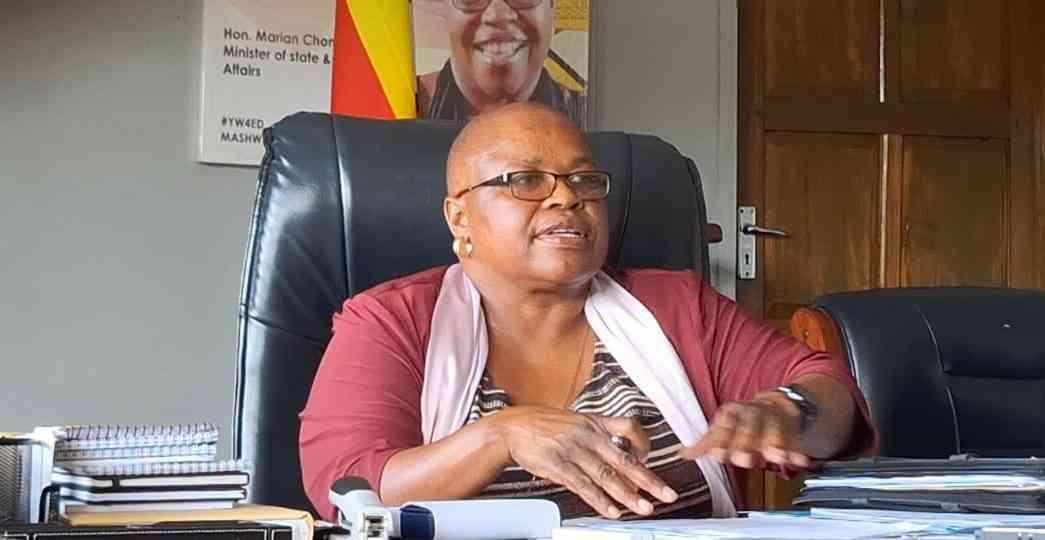
Africa-Press – Zimbabwe. PROVINCIAL Affairs and Devolution minister for Mashonaland West Marian Chombo has hailed the proposed US$700 million cement manufacturing project in Magunje, Hurungwe district, saying it has the potential to significantly transform the province’s economy and accelerate Zimbabwe’s industrialisation drive.
She made the remarks during a tour of the project site being developed by WIH-ZIM Construction Material Investments (Private) Limited, a subsidiary of Hong Kong-listed Yaobai International Holdings Limited.
The Magunje cement plant, expected to break ground in 2026, is one of the largest greenfield industrial investments announced in recent years and comes as Zimbabwe seeks to close a widening cement supply gap driven by rapid growth in housing, infrastructure and mining. Government views the project as strategic to reducing imports, creating jobs and anchoring industrial development beyond Harare under the devolution agenda.
“This investment is not just about bricks and clinker, it’s about building Zimbabwe’s future, brick by brick. The scale of this project US$700 million, 1,8 million metric tonnes of cement annually and over 2 000 jobs, shows how strategic partnerships can turn our resources into real opportunities for our people,” Chombo said.
She said the project underscored government’s commitment to using devolution as a catalyst for regional industrialisation, particularly in underdeveloped districts such as Hurungwe, where the plant is expected to anchor a new economic corridor.
Chombo said government would ensure the project aligned with Vision 2030, community development goals and environmental standards.
“We are not here to rubber-stamp projects; we are here to ensure they deliver for communities, protect our environment and align with our Vision 2030 goals,” she said.
“I commend Yaobai International for their commitment, and we will work hand-in-hand with them to remove any bottlenecks because when investors succeed, our nation succeeds.”
Founded in September 2019, Yaobai International has rapidly positioned itself as a multinational force, aligning with China’s Belt and Road Initiative to capture emerging markets in Africa and Central Asia.
Its portfolio now spans four core divisions: cement, gypsum board, cement products and international logistics. Across Mozambique, DRC, Ethiopia, Rwanda, Uganda, Angola, Congo-Brazzaville, Kenya and even Uzbekistan, Yaobai operates production bases and active projects.
Zimbabwe’s current installed capacity sits at roughly 4 million tonnes per year, barely enough to meet domestic demand, which has been growing at 6-8% annually, driven by housing, infrastructure and mining projects.
The shortfall has forced the country to import around 1,2 million tonnes annually, mostly from South Africa, Zambia and even China, draining forex reserves and inflating construction costs.
For More News And Analysis About Zimbabwe Follow Africa-Press