Africa-Press – Angola. The project to accommodate more than ten camels, out of the fifty initially planned and coming from the United Arab Emirates, is in the final phase, informed the director of the Provincial Office of Agriculture and Forestry of Namibe, Zonza Puissa.
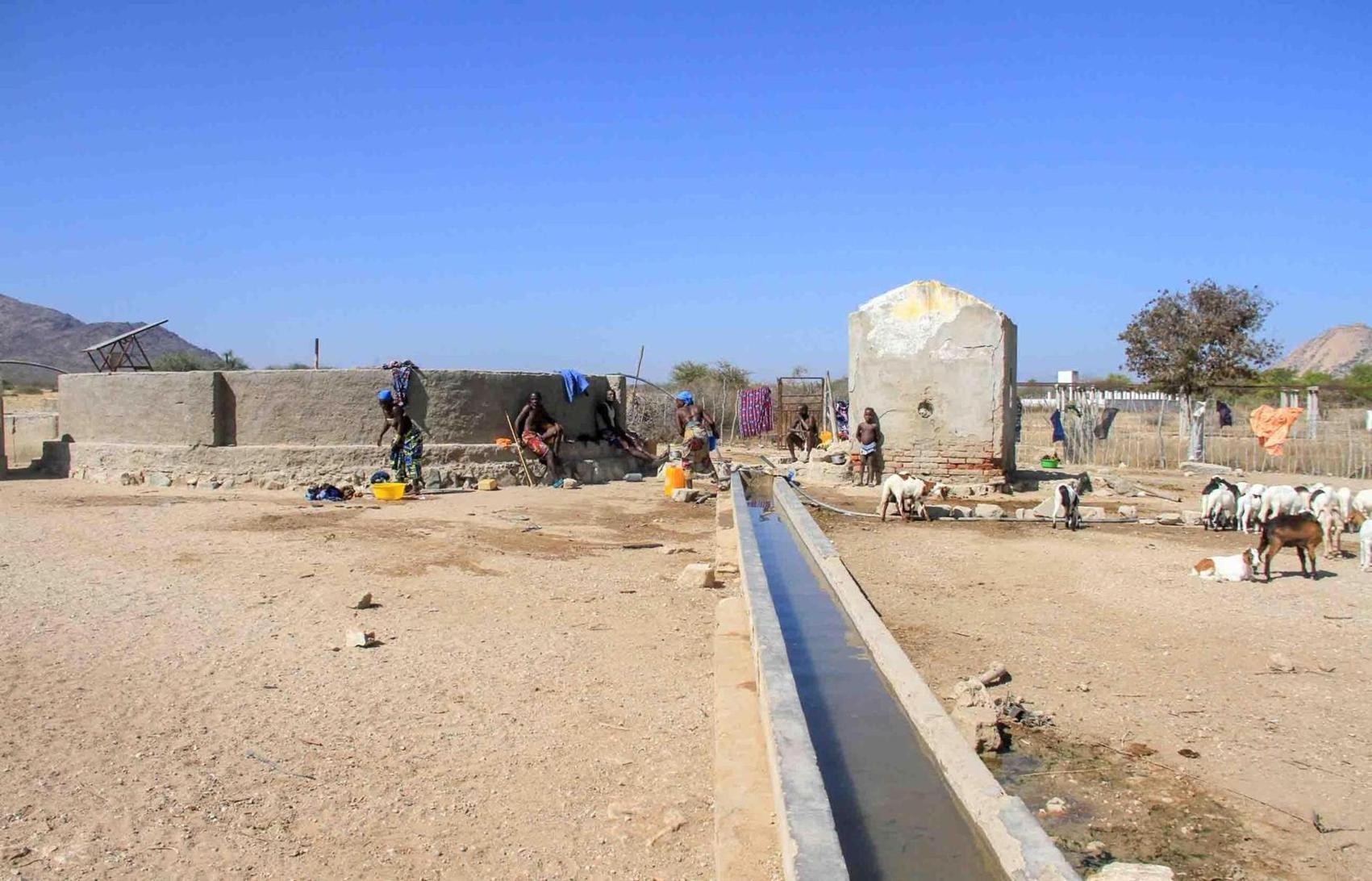
The aforementioned project, which is being carried out in the Fundão area, in the town of Caraculo, in the municipality of Bibala, in the province of Namibe, includes the opening of water holes with a collection system, with submersible pumps, with gravity systems and with capacity for more of 20 thousand liters of water, as well as a food area and an administrative residence.
According to the director, the work is already in the order of 79% and, at this point, the fodder production process is taking place in its second phase, to feed the camels.
“At the moment, we are implementing the pillars in the stable areas, where the camels will spend the night and go to pasture during the day, with a very large area, covering 16 thousand hectares, which will allow the animals to move around as they please”, said the person in charge.
The presence of camels in the province of Namibe, according to the official, will help boost tourism and give another image to the fauna, as they are animals that, from the 40s to the 90s, already existed in the province and that enchanted thousands of tourists.
“In colonial times, the story goes, we already had camels in Namibe that went on safari in our desert. Furthermore, these animals served as a means of transporting goods, but, due to a lack of care, they disappeared, with the last survivor, who was in the Moçâmedes Children’s Park, dying in the 90s,” he recalled.
He pointed out that this type of animal is quite resilient, as it can live for a long time without water and since the Namibe climate is the same as that of the United Arab Emirates, “we will not have any difficulty in accommodating, coexisting and domesticating them”.
He also highlighted that camels have a great importance in human life, as they offer various nutrients, such as milk and meat, which serve as a source of food.
The camel also offers other benefits such as the skin that is used to make briefcases, belts and shoes.
He made it known that the arrival of the camels is expected in the first half of the current year, as soon as all conditions for housing and feeding the animals are created.
In terms of food, he assured that, since August last year to this date, the sector has been producing hay, an essential product for animals, without however specifying the quantities.
At this point, according to the person responsible, the hay produced in the first phase is already in the drying process to later be corralled or baled.
For More News And Analysis About Angola Follow Africa-Press